In Flowing Wells, “good enough” auto window tint can feel fine for a few months—until the heat cycles, dust, and daily driving start exposing the difference between a basic film and a premium one. That’s why ceramic window tint has become such a popular choice for local drivers who want more than a quick upgrade. They want performance that stays consistent: cooler cabins year after year, clearer visibility in harsh sunlight, and protection that doesn’t slowly fade out as the seasons stack up.
This article isn’t just another overview of tint benefits. Instead, it’s focused on what Flowing Wells drivers actually experience over time: how ceramic tint behaves after thousands of miles, repeated hot starts, constant parking-lot exposure, and routine cleaning. When you’re investing in comfort and protection, the real question isn’t “Will it work?”—it’s “Will it keep working like it did on day one?”
What Makes Ceramic Window Tint Different in Real-World Use
Ceramic window tint is engineered to deliver strong heat rejection without relying on metal layers. That matters for modern vehicles filled with electronics—phones, GPS, Bluetooth, vehicle sensors, and infotainment systems—because you can get high performance without the side effects some older-style films can introduce. But the bigger advantage for Flowing Wells drivers is that ceramic films are designed for durability under intense sun exposure, meaning the “premium feel” tends to last instead of slowly tapering off.
In practical terms, the difference shows up when you’re doing normal life: driving to work, running errands, sitting at long lights, or parking outside a store for an hour. Ceramic tint helps stabilize those temperature spikes so your interior doesn’t swing as wildly. Over time, that consistency is what people notice most—especially anyone who has owned a vehicle long enough to see how quickly interiors can deteriorate in a hot climate.
Why Flowing Wells Drivers Notice Long-Term Performance More Than Most
Flowing Wells sits in a region where sunlight isn’t a seasonal issue—it’s a year-round reality. That matters because long-term performance isn’t only about peak summer; it’s about the repeated exposure that adds up across the calendar. Even when the temperature feels “milder,” UV and solar energy still impact your cabin surfaces and your driving comfort. Over years, those “small” daily exposures are what fade plastics, dry out leather, and turn once-clean interiors into a constant battle against cracking, discoloration, and heat.
Ceramic tint is popular here because it’s built to be a long-run solution. Instead of thinking of tint as a short-term comfort upgrade, many local drivers treat it like a protective layer—similar to how you’d invest in quality tires or preventative maintenance. If you’re planning to keep your vehicle, the long-term impact becomes the primary reason to choose ceramic.
Heat Management That Helps Your Car Age Better
Most people associate tint with comfort, but one of the biggest long-term advantages is how it changes the “aging environment” inside your vehicle. Repeated heat buildup stresses materials in ways that aren’t always obvious at first. Adhesives soften and re-harden, trim pieces expand and contract, dashboards dry out, and screens or displays can experience extra thermal stress. Ceramic tint helps reduce how extreme the interior gets, which can translate to a cabin that stays nicer over time.
That matters for everyday drivers. Maybe you’re not trying to keep your car “showroom perfect,” but you do want it to feel clean, comfortable, and dependable. Ceramic tint helps you maintain that quality without constantly fighting the climate. And if you ever plan to sell or trade in your vehicle, a well-preserved interior can quietly strengthen your resale position.
Glare Control That Stays Reliable Through the Year
Glare is one of those issues that can seem minor—until you’re dealing with it repeatedly. In bright Arizona conditions, glare can change how quickly you read traffic patterns, spot pedestrians, or track vehicles merging beside you. Ceramic tint reduces harsh glare in a way that improves your day-to-day driving experience, especially when the sun is low and reflections feel more intense.
What Flowing Wells drivers appreciate is that ceramic tint doesn’t just feel good on install week. The goal is stable, predictable performance. When you’re driving early, late, or under bright skies, you want the same comfortable visibility each time—not a film that starts looking uneven or less effective as it ages.
Why “Cheap Tint” Often Becomes the Expensive Option
One of the most practical reasons drivers choose ceramic tint is simply cost logic over time. Basic films can be tempting because the upfront price is lower. But if a film fades, discolors, bubbles, or loses performance, you’re not just annoyed—you’re paying for removal and replacement. On top of that, you’ve spent months (or years) living with less comfort and more interior wear.
Ceramic tint is often chosen by drivers who want to “do it once and be done.” They’d rather invest in a film that’s designed to hold its color and performance than gamble on re-tinting later. For daily commuters, family vehicles, and anyone who parks outdoors regularly, the long-term math is usually the deciding factor.
Comfort for Daily Life: The Difference Families Actually Feel
If you’re driving with passengers—especially kids—you know comfort isn’t just a luxury. A cooler cabin can change the mood of a ride. It can make buckling in easier, reduce that “blast-the-A/C” scramble when you first start the car, and help everyone settle faster once you’re on the road. Ceramic tint helps reduce the intensity of interior heat buildup, so the vehicle feels more manageable even on busy days with multiple stops.
Parents also tend to care about consistency: the same car should feel comfortable whether it’s morning school runs, afternoon errands, or evening activities. Ceramic tint supports that “all day” driving rhythm because it’s not only about extreme heat—it’s about smoothing out the spikes that make a car feel unpredictable and exhausting to use.
Local Outings Without the “Parking Lot Penalty”
Flowing Wells is close to plenty of places that turn into longer outings—where your vehicle sits parked in full sun. When you come back after a couple of hours, that moment of opening the door can be the difference between “no big deal” and “why is this seat scorching?” Ceramic tint helps reduce how severe that parked-vehicle heat buildup becomes, which makes local outings feel easier on you and your passengers.
For example, if you’re planning a day trip to see desert gardens and seasonal events at the Tucson Botanical Gardens, it’s the kind of outing where a comfortable return drive matters. You want to come back to a cabin that feels manageable, not like it’s been preheating the entire time you were enjoying your day.
Why Professional Installation Matters More Than People Think
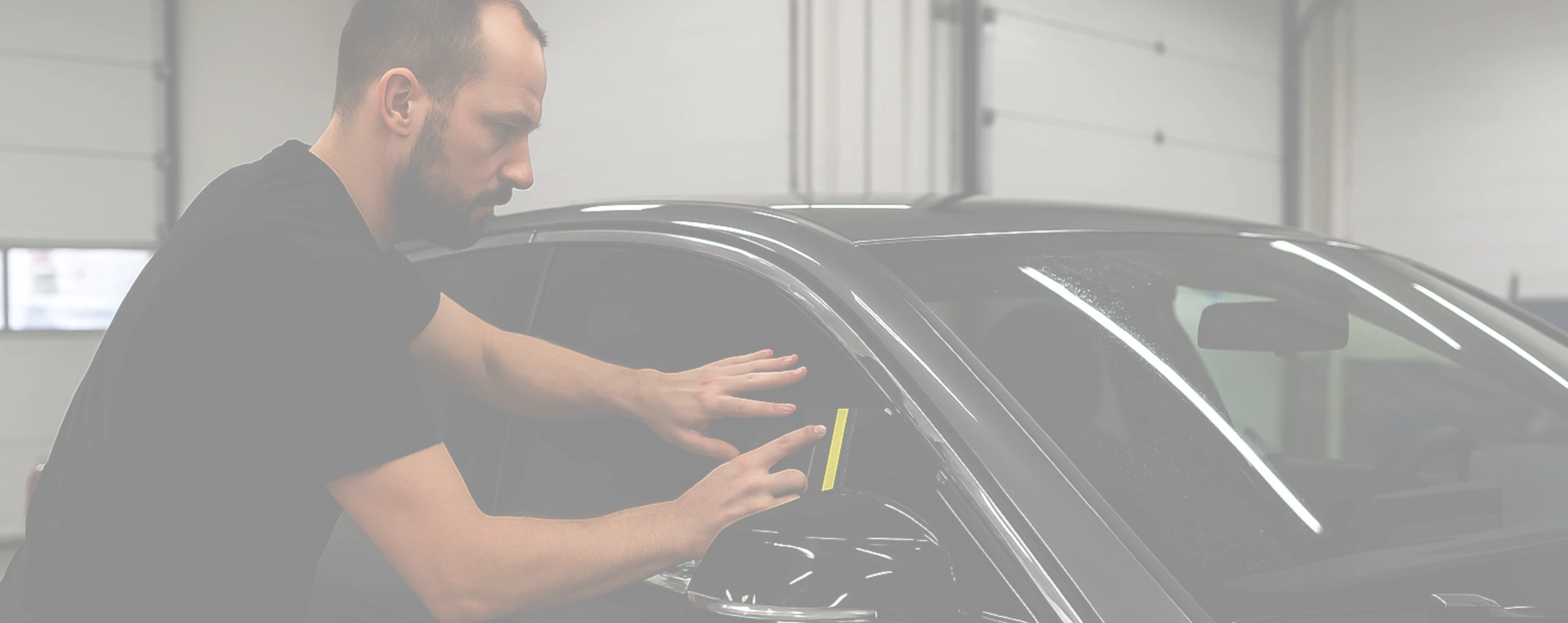
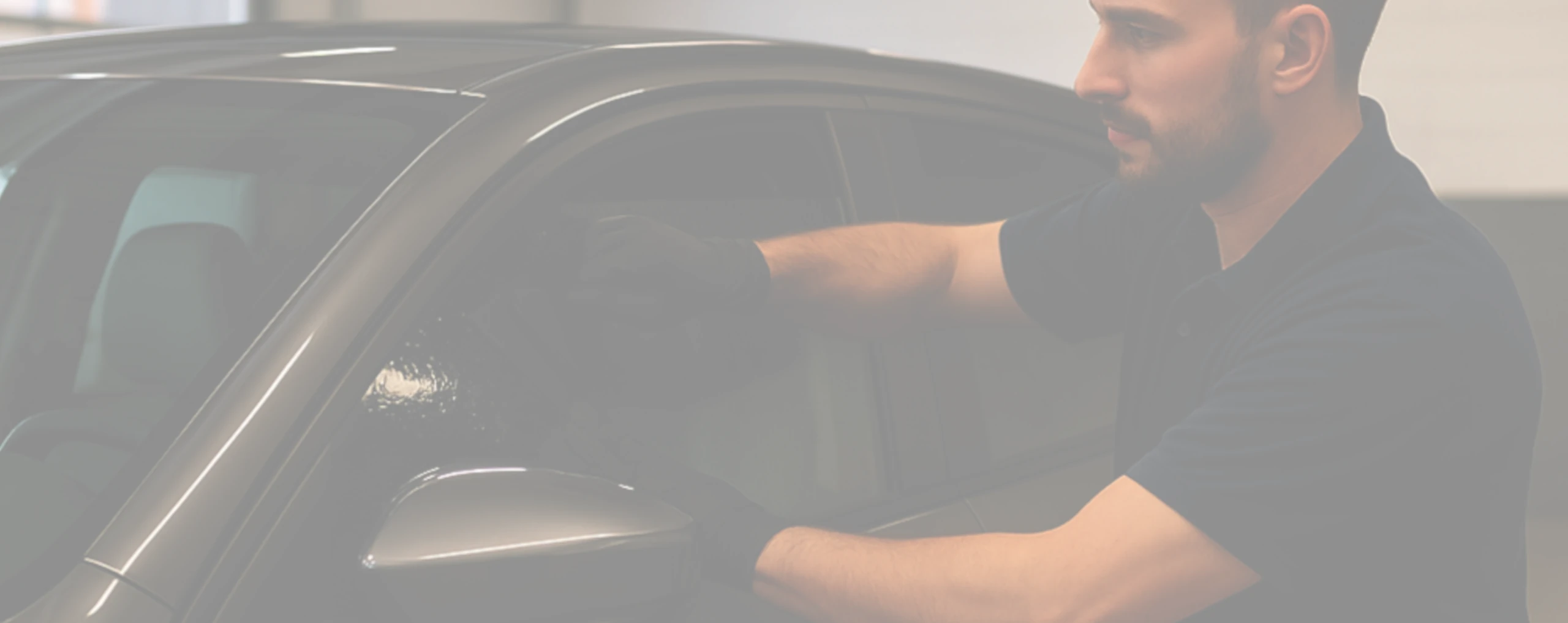
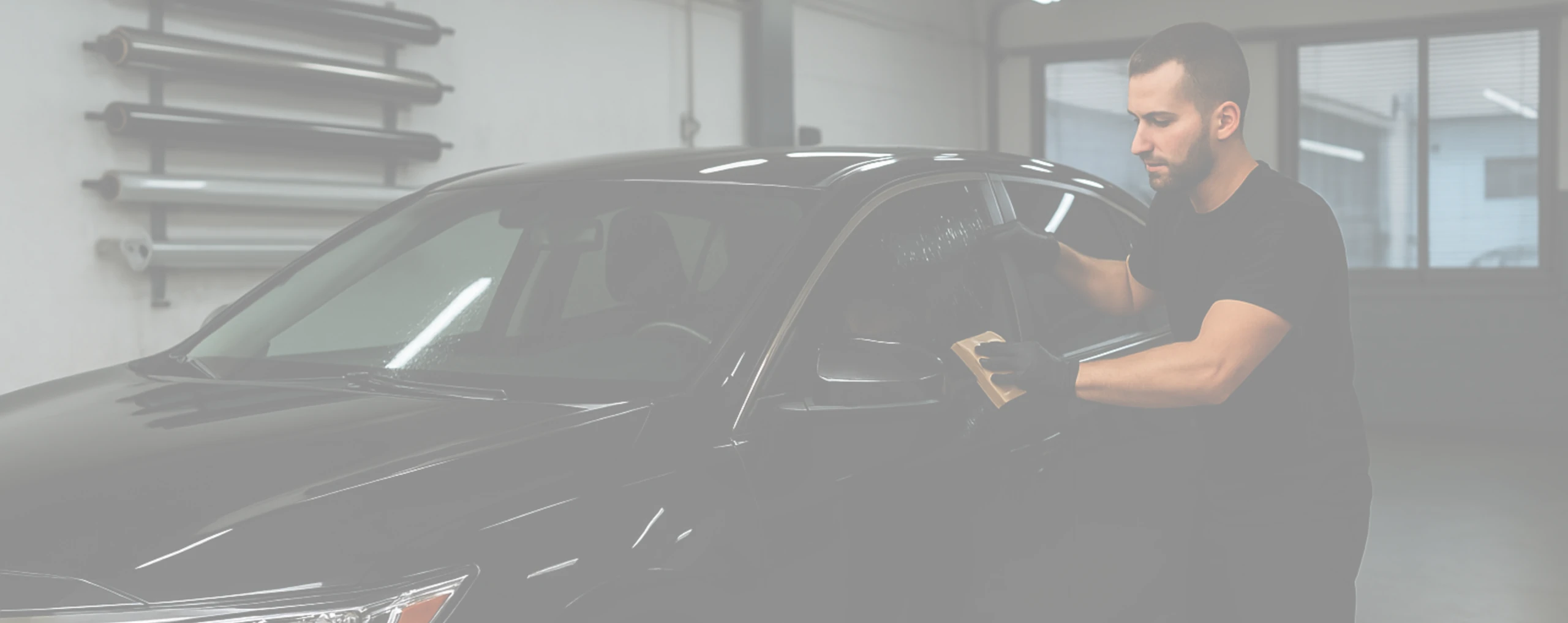
Ceramic tint is only as good as the installation. Even premium film can look mediocre if the prep is rushed or the application isn’t precise. A professional install focuses on clean edges, smooth laydown, proper curing guidance, and film selection that fits your vehicle and your goals. That’s also how you avoid common issues like peeling, trapped debris, or a finish that looks inconsistent when sunlight hits it.
From an experience standpoint, professional installation is part of what makes ceramic tint feel like a true upgrade instead of a temporary fix. You want a result that looks factory-clean, performs the way you expected, and holds up through real use—because daily driving is where a film earns its value.
How to Choose the Right Ceramic Tint Setup for Your Vehicle
Not every driver needs the same exact configuration. The “best” ceramic tint setup depends on how you use your vehicle. A daily commuter may prioritize consistent comfort and visibility during high-sun hours. A family vehicle may prioritize back-seat comfort and glare reduction for passengers. Someone who drives frequently at dawn or dusk may focus heavily on glare control and clear visibility in changing light conditions.
The smartest approach is to match the film choice to your driving patterns instead of treating tint like a one-size-fits-all product. When the setup is personalized, the tint feels more effective—because it’s optimized for how you actually live and drive.
Care and Maintenance: Keeping the Finish Clean Without Damaging It
High-quality ceramic tint doesn’t demand complicated maintenance, but small habits make a big difference in how it looks long term. After installation, following cure-time guidance prevents accidental edge lifting. Later, using gentle cleaning methods helps keep the film clear and streak-free without scratching or hazing the surface.
The most important practical tip is to avoid harsh, ammonia-based cleaners and abrasive tools. A soft microfiber towel and tint-safe glass cleaner are usually all you need. When the film is cared for properly, the finish stays clean and professional-looking—so your tint continues to look like an intentional upgrade, not something that “aged out.”
Upgrade Your Drive in Flowing Wells with Ceramic Tint You Can Rely On
Ceramic window tint is popular in Flowing Wells for a simple reason: it’s built for the long run. Drivers choose it because it keeps performing through repeated sun exposure, daily errands, and years of use—helping cabins stay more comfortable and vehicles stay nicer over time. If you want a tint upgrade that’s designed to last, ceramic is one of the smartest choices you can make for everyday driving in southern Arizona.
If you’re ready to experience the benefits of ceramic tint in Flowing Wells, the team at ClearView Glass & Tint can help you choose the right film, ensure legal compliance, and deliver a clean, professional installation that holds up over time.
Frequently Asked Questions Regarding Ceramic Auto Window Tint in Flowing Wells, AZ
Many drivers choose ceramic tint because it reduces harsh brightness and glare without heavily darkening windows, which can lessen eye strain and discomfort during bright Arizona driving conditions.
Vehicles equipped with ceramic tint often show less interior wear, clearer glass, and better overall condition, which can make them more attractive to buyers and dealers during resale or trade-in evaluations.
Yes. Ceramic tint complements factory glass by adding advanced heat rejection that factory coatings alone typically don’t provide, improving comfort without altering the vehicle’s appearance.
Indirectly, yes. By lowering interior temperatures, ceramic tint can reduce the breakdown of interior materials that often causes strong heat-related odors in hot climates like Flowing Wells.
By Thomas McDonald
Latest Articles, Industry News & Expert Insights
Stay informed with updates, expert perspectives, and practical guidance on glass repair, replacement, and window tinting across automotive, residential, and commercial applications.