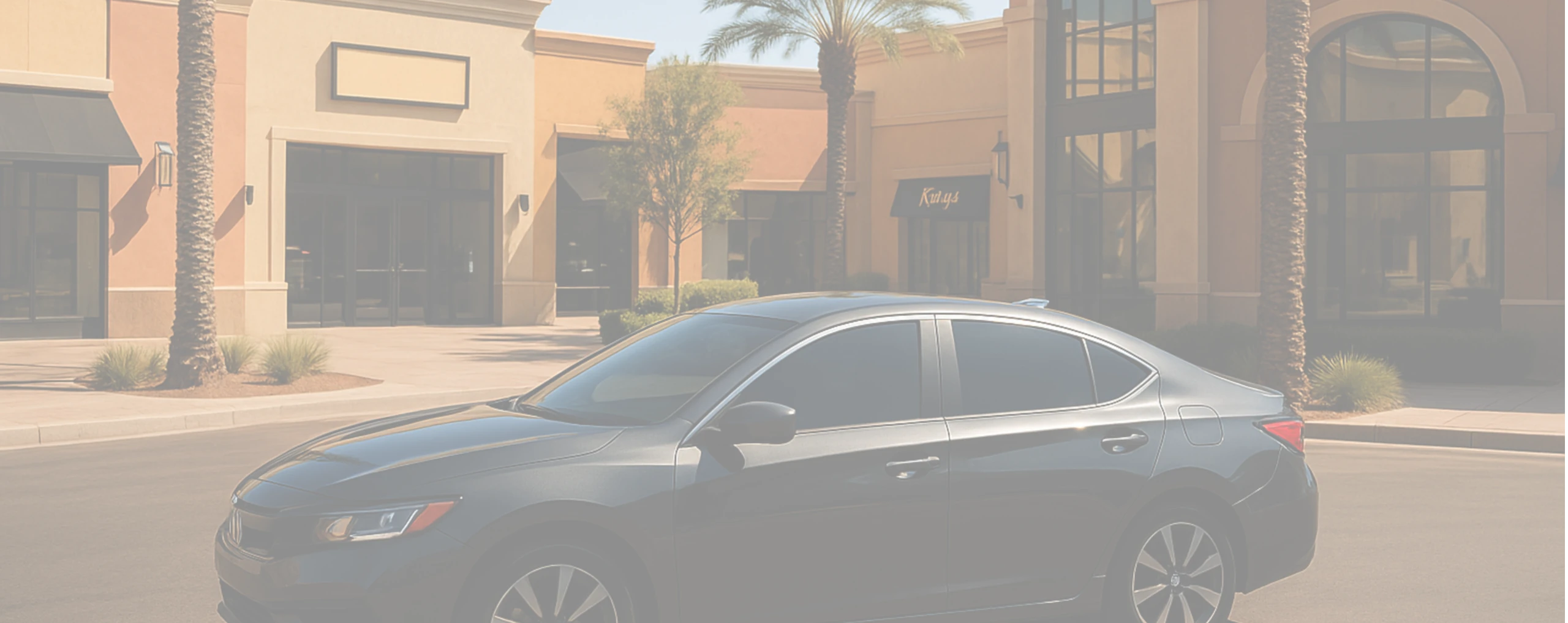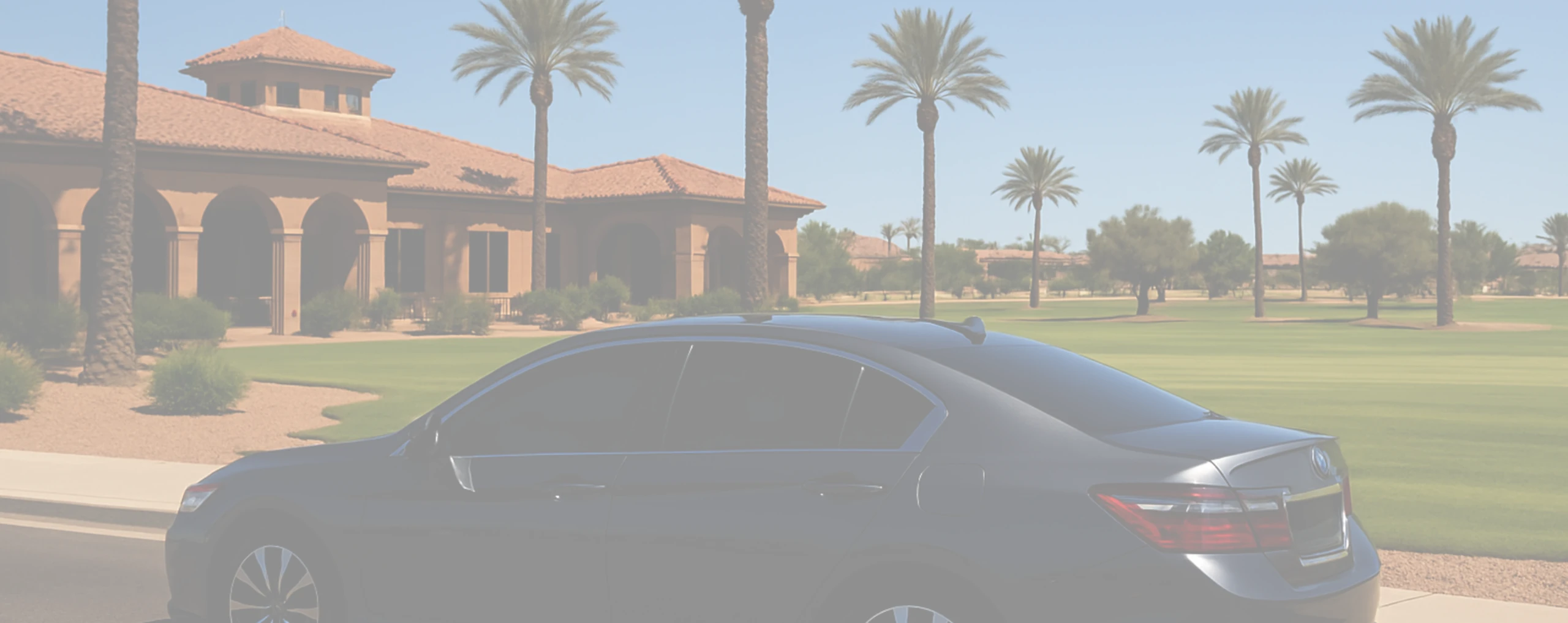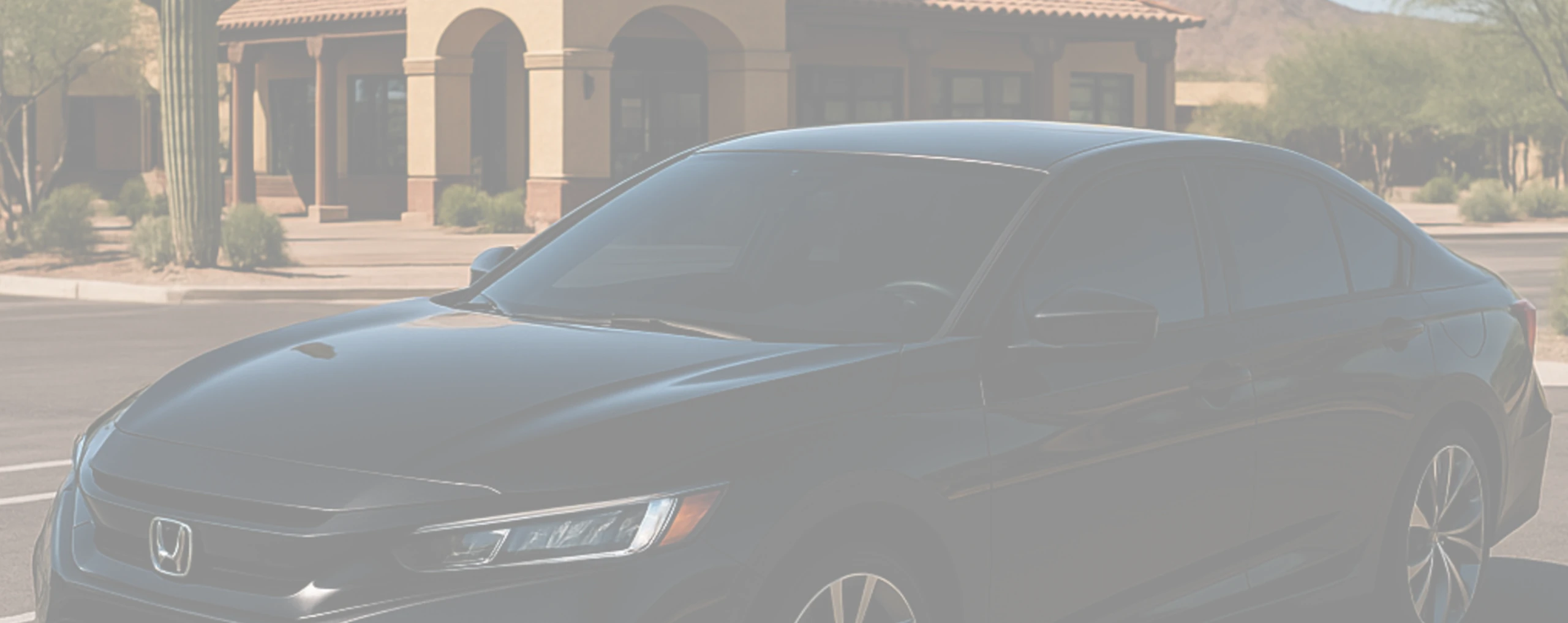
A lot of window tint articles talk about “heat and UV” in general terms, but Summit drivers deal with a very specific kind of discomfort that doesn’t show up the same way in flat, stop-and-go city driving. When you’re heading toward the Rincon Mountains, you’re often on longer, more exposed stretches of road where the sun is hitting your vehicle continuously and the engine is working harder for extended periods. That combination—sustained sunlight plus sustained load—creates a cabin environment that can feel oppressive even when your A/C is running at full blast. It’s not just that it’s hot outside. It’s that the heat enters through the glass, builds across interior surfaces, and then lingers while you climb and cruise without many shaded breaks.
This is where high-performance automotive window tint becomes more than a cosmetic upgrade. On uphill grades and sun-swept approach roads, the film is doing real work: reducing radiant heat that would otherwise turn your dashboard, steering wheel, and seat surfaces into “heat storage,” and lowering the glare that causes fatigue as the light changes across foothills and mountain approaches. If you’re based in Summit and you regularly drive east toward the Rincons for trailheads, scenic pullouts, or weekend exploring, a properly chosen tint setup can make those drives noticeably more comfortable and more controlled.
Why uphill driving feels hotter than driving across town
The “uphill heat” problem is real, and it’s not your imagination. When your vehicle climbs, the engine and transmission are typically under higher load for longer periods. More load means more heat generated, and even though your cooling system is designed to handle it, that heat still influences the environment under the hood and around the cabin. At the same time, your car is absorbing intense solar energy through the windshield and front side glass, which is the most direct path for sunlight to enter the driver’s area.
In flat city driving, you often get interruptions: stops under overhangs, shaded stretches between buildings, quick turns that change sun angle, and shorter exposure windows. On a long approach road toward mountain terrain, sunlight can remain consistent for miles. That sustained exposure warms interior plastics, leather, vinyl, and fabric until they start radiating heat back into the cabin. This is why the air might feel “cool” while surfaces still feel hot—and why it can take longer to feel comfortable even after you’ve been driving for a while.
Heat soak: what it is and why it matters on mountain approaches
“Heat soak” is what happens when your vehicle’s materials absorb heat over time and then continue releasing it even after conditions change. It’s a big deal in Arizona because the sun isn’t just warming the air—it’s heating the physical components of your vehicle. Dashboards, door panels, seat bolsters, and even the center console can become heat reservoirs. When you’re on a sustained drive with little shade, those reservoirs keep reintroducing warmth into the cabin, which forces the A/C to work harder and longer.
Automotive window tint helps by reducing the amount of solar energy that enters through the glass in the first place. Instead of asking your A/C to constantly “undo” the heat that already got inside, tint prevents a significant portion of that heat from becoming cabin heat soak. The practical result is that your vehicle’s interior surfaces stay closer to a manageable baseline, and the A/C doesn’t have to fight a losing battle on longer grades.
Why the windshield and front glass matter most on these drives
When you think about the drive toward the Rincon Mountains, picture the sun’s position relative to your direction of travel. The windshield is usually the primary solar entry point for the driver and front passenger area—especially during mid-morning and late-afternoon runs. Even if your side windows are tinted, an untreated windshield can still allow a heavy radiant load that heats the dash and steering wheel quickly.
That’s also where glare becomes a safety and comfort issue. Bright desert light, reflective pavement, and the contrast of darker terrain ahead can create visual strain that builds over time. Tinting the side windows (and using a legal windshield strip where allowed) helps reduce that visual fatigue by cutting harsh light and smoothing out contrast changes. The goal isn’t to make things “dark,” it’s to make your view calmer and more consistent so you can stay comfortable and alert.
Glare fatigue is cumulative, not instant
A lot of drivers treat glare like a momentary annoyance—something you solve with sunglasses for a few minutes. But on longer drives, glare fatigue is cumulative. The constant squinting, the constant micro-adjustments in focus, and the constant brightness can cause headaches and slower reaction times. Add in the fact that mountain approaches often include changing light angles, occasional dust in the air, and big swings in contrast between open sky and dark terrain, and it’s easy to see why your eyes and brain get tired faster than usual.
High-quality window film reduces that harshness without making visibility weird or distorted. It helps by lowering the intensity of incoming light and reducing reflections off the dashboard, infotainment screens, and interior trim. For drivers who do this route regularly, that can turn a drive that feels draining into one that feels more controlled and less stressful.
Why “darker” is not the same as “better”
One of the most common mistakes drivers make is choosing tint primarily by darkness. Darkness affects privacy and aesthetics, but it doesn’t automatically mean better comfort or better heat control. Two films can look similar from the outside while performing very differently in heat rejection, clarity, and long-term durability—especially in Arizona’s climate.
For Summit drivers who care about uphill-drive comfort and glare reduction, performance should be the priority. In many cases, ceramic films are chosen because they’re designed for strong heat rejection while maintaining crisp visibility. That matters when you’re driving toward mountain terrain, dealing with changing light, and wanting a clean view of the road ahead.
How to think about tint selection for “mountain-route” driving
A smart way to choose tint for this route is to start with how you actually drive. Ask yourself:
Do you drive early in the morning or late in the afternoon when the sun sits low? Do you spend time on longer open stretches where the sun stays on the windshield? Do you stop at pullouts or trailheads where the car sits in full sun before you drive again? Those details matter, because the best tint plan for you is the one that targets your most common pain points—front-cabin heat, windshield glare, and the “surface hot” feeling that lingers.
A professional installer can recommend film types and legal shades that match these needs while keeping visibility safe. The right setup should feel like an upgrade you notice daily, not just an aesthetic change you forget about after the first week.
The Rincon Mountains and why exposure time matters
If you’re looking for official information and trip inspiration, the U.S. Forest Service provides details about the region here: Rincon Mountains – Coronado National Forest. Whether you’re heading to established trail areas, scenic overlooks, or simply taking a drive that puts the mountains in view, one common reality remains: your vehicle is often exposed for long windows of time—both while driving and while parked.
That exposure window is what makes this route different. On a quick in-town errand, your car might be in the sun for five minutes before you’re back inside. On a mountain-route day, you can easily stack exposure: the drive out, the time parked, and the drive back—often during different sun angles. Tint helps across the entire cycle. It doesn’t just help when you’re moving; it helps keep the interior from “loading up” with heat while you’re away from the vehicle too.
Professional installation is part of long-term performance
In Arizona, the difference between “tint that looks good today” and “tint that still performs years from now” often comes down to installation quality and film quality. Dust, heat, and constant expansion/contraction cycles are hard on materials. A professional shop focuses on proper prep, clean application, and film selection that holds up in real desert conditions.
This matters for practical reasons. Poor installation can lead to bubbles, edge peel, or hazy sections that become distractions—especially on longer drives where visibility matters. A well-installed film should look clean, remain stable over time, and maintain clarity so you don’t feel like you’ve traded comfort for a compromised view.
What a comfort-focused tint upgrade should feel like
The best tint upgrade doesn’t feel like a gimmick. It should feel like your vehicle is “less reactive” to the environment. You should notice that:
The steering wheel and dashboard don’t feel as punishing after the car sits in the sun. The cabin temperature stabilizes faster after you start driving. The A/C doesn’t feel like it’s constantly struggling to catch up. And the road view feels calmer—less squinting, less harsh brightness, less fatigue by the time you reach your destination.
That’s the standard Summit drivers should aim for when planning tint for drives toward the Rincon Mountains: not just “tinted windows,” but a setup that improves the full driving experience on long, exposed routes.
Auto window tinting in Summit, AZ
If your regular driving includes long uphill grades, extended sun exposure, and the kind of glare that wears you down over time, tinting your vehicle is one of the most practical upgrades you can make—especially when you choose performance-focused film and a professional installation. For drivers in Summit, the goal isn’t a generic “cooler car.” It’s a more stable cabin, less heat soak, and a clearer, less fatiguing view when driving toward the mountains.
When you’re ready to upgrade your vehicle for Arizona’s sun and the demands of mountain-route driving, ClearView Glass & Tint provides professional automotive window tinting designed for real-world comfort and clarity. Get a setup that matches your driving habits, stays compliant, and delivers long-term performance—so your next drive toward the Rincon Mountains starts comfortable and stays that way.
Frequently Asked Questions Related to Auto Window Tint and The Rincon Mountains In Summit, AZ
Heat soak happens when your dash, seats, and interior panels absorb sun energy and continue radiating warmth even after the A/C is running. Tint reduces how much heat enters through the windows in the first place, which lowers heat soak and helps the cabin stabilize faster.
The best approach is prioritizing film performance and optical clarity instead of chasing the darkest shade. High-performance films can improve comfort and glare control while keeping the view sharp—important when driving routes with changing light angles and long sightlines.
That’s surface heat. Seats, dash, and door panels can stay hot even if cabin air drops. Tint reduces future heat loading so surfaces cool down sooner instead of constantly reheating.
Sunglasses help your eyes, but tint reduces the glare and heat entering the vehicle itself—meaning less dashboard reflection, less cabin heat load, and a more consistent brightness level even when you take your sunglasses off.
By Thomas McDonald
Latest Articles, Industry News & Expert Insights
Stay informed with updates, expert perspectives, and practical guidance on glass repair, replacement, and window tinting across automotive, residential, and commercial applications.