Arizona’s window tint laws set a clear limit on how dark your front side windows can be. But for drivers with certain medical conditions, the standard limit isn’t always enough. The state recognizes this, which is why Arizona offers a window tint medical exemption that allows qualifying drivers to legally install darker tint than the law normally permits.
If you have a condition that makes you sensitive to sunlight, this exemption can make a meaningful difference in your comfort and protection behind the wheel. Here’s how the process works, who qualifies, and what the exemption does and doesn’t cover.
Arizona’s Standard Tint Limits
Before getting into the exemption, it helps to understand the baseline. Under Arizona Revised Statute §28-959.01, the standard window tint rules for passenger vehicles are:
- Front side windows: Must allow more than 33% of visible light to pass through (33% VLT).
- Windshield: Non-reflective tint is allowed only above the AS-1 line, the manufacturer’s marking found roughly five inches from the top of the glass.
- Rear side windows and rear window: Any darkness is permitted, provided the vehicle has dual side mirrors.
- Reflectivity: Tint cannot exceed 35% reflectance, and red or amber tints are prohibited.
For a full breakdown of these rules, see our guide to Arizona window tint laws. The 33% VLT minimum on front side windows is where most drivers run into trouble, and it’s exactly the limit a medical exemption can relax.
What the Medical Exemption Does
The Arizona window tint medical exemption allows a qualifying driver to install tint darker than the standard 33% VLT limit on the driver side, passenger side, and back windows. The exemption is issued by the Arizona Department of Transportation (ADOT) through its Motor Vehicle Division Medical Review Program.
One important limitation: the exemption does not apply to the windshield below the AS-1 line. No matter your medical condition, the lower portion of the windshield must remain untinted to preserve visibility. The exemption covers the side and rear glass only.
Medical Conditions That Commonly Qualify
Arizona’s exemption is built around a functional standard rather than a fixed list of diagnoses. The official application requires a medical professional to certify that the applicant “suffers from a medical condition and as a result, is required to be shielded from the direct rays of the sun, and for which eye protective devices will not provide adequate protection.”
In practice, conditions that commonly qualify include:
- Skin conditions: certain skin cancers, xeroderma pigmentosum, photosensitivity, and severe sun allergies
- Autoimmune disorders: lupus, dermatomyositis, and porphyria
- Eye conditions: photophobia, glaucoma, and other light-sensitive eye conditions
Because the standard is based on medical necessity rather than a checklist, the determination ultimately rests with your medical provider and ADOT’s review. If sunlight exposure genuinely affects your health and ordinary sunglasses aren’t enough, it’s worth discussing an exemption with your doctor.
How to Apply for the Exemption
The process is straightforward and centers on a single form. Here’s how it works:
1. Consult a Qualifying Medical Professional
Your application must be certified by one of four types of licensed providers: a Doctor of Medicine (MD), a Doctor of Osteopathic Medicine (DO), a Naturopathic Medical Doctor (NMD), or an Ophthalmologist. The provider must personally examine you and certify the medical necessity on the application.
2. Complete the Application for Window Tint Medical Exemption
The form is ADOT’s Application for Window Tint Medical Exemption (form 40-1511). It collects your information, the vehicle identification details for each vehicle to be covered, and the medical professional’s certification and license number. A new application requires the medical professional’s signature; adding additional vehicles later does not require a new signature.
3. Submit to ADOT’s Medical Review Program
The completed application goes to the MVD Medical Review Program for review. ADOT generally aims to respond to requests within about five business days, though timing can vary with volume.
4. Keep the Certificate in Each Vehicle
Once approved, you’ll need a certificate for each vehicle covered by the exemption. Keep it in the vehicle at all times. If you’re pulled over and an officer measures your tint, presenting the exemption certificate is what demonstrates your darker tint is legal.
What Happens at a Traffic Stop
Arizona officers can stop a vehicle on suspicion that the front windows are tinted too dark, and many use a calibrated tint meter to measure visible light transmission. If your tint reads below the legal limit and you have an approved exemption, the certificate you keep in the vehicle resolves the question on the spot.
Without an exemption, a tint that measures too dark is typically treated as a civil traffic violation. Many first-time tint violations in Arizona are handled as correctable, or “fix-it,” offenses: the driver brings the vehicle into compliance, provides proof of the correction to the court (such as a receipt from a tint shop), and in some cases has the citation dismissed. Uncorrected violations or repeat offenses can carry monetary fines that vary by jurisdiction. An approved medical exemption avoids this situation entirely for drivers who genuinely need darker tint.
Choosing the Right Tint Under an Exemption
An exemption gives you legal room to go darker, but the quality of the film still matters, especially for drivers whose underlying reason for tinting is sun protection. Not all tint blocks UV and heat equally. If your goal is genuine protection from the sun’s rays, the film’s construction is as important as its darkness.
Our guide to the different types of window tint explains how dyed, carbon, and ceramic films differ in heat rejection and UV blocking. For drivers in Arizona’s climate specifically, we’ve also written about why ceramic window tint performs so well here and how to choose the most effective tint percentage for Arizona driving.
Get Your Exemption Tint Installed Professionally
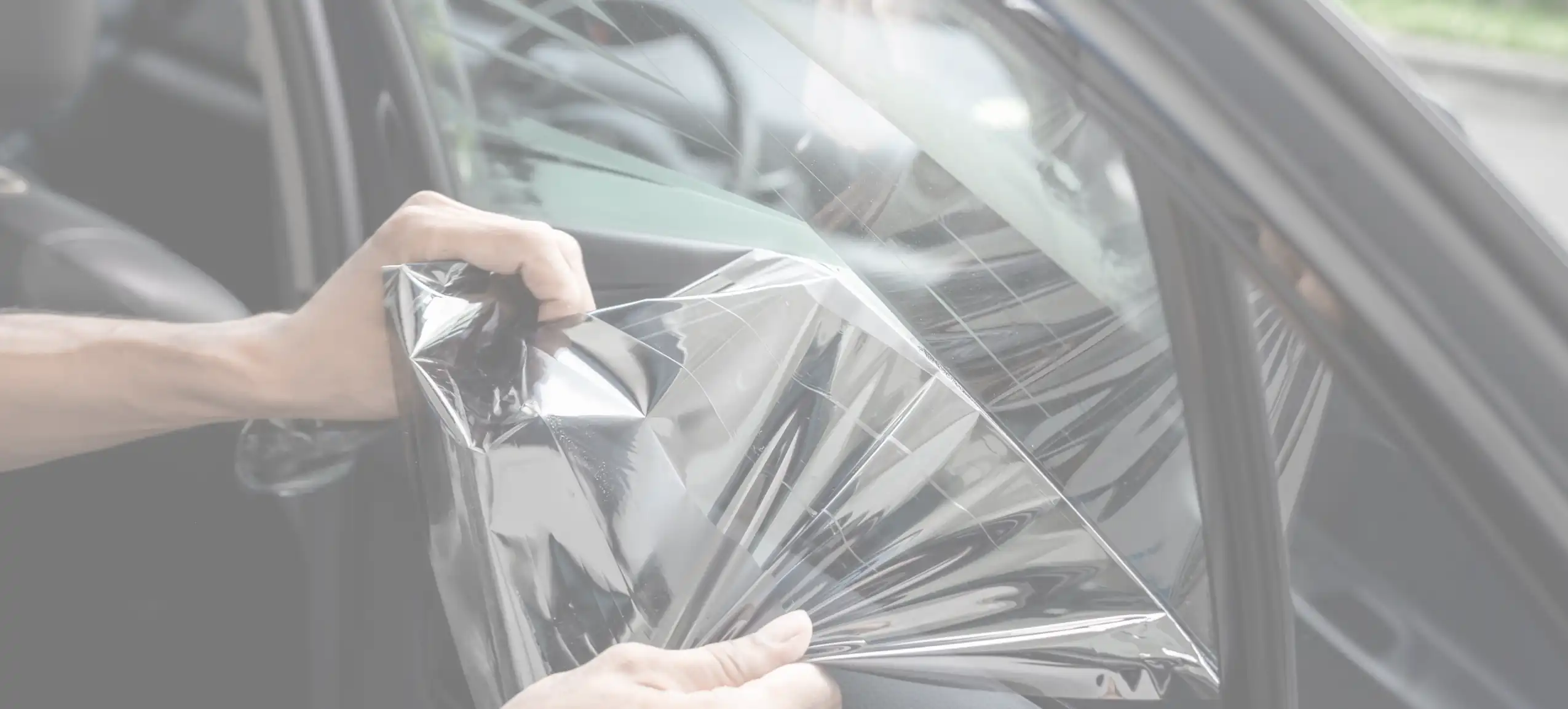
Installing tint under a medical exemption is worth doing right. A professional installer can match your approved darkness level, recommend a film that maximizes UV and heat rejection for your medical needs, and ensure the installation complies with every part of Arizona law that still applies, including the untinted windshield requirement below the AS-1 line.
Clear View Glass & Tint serves drivers across Arizona with precision tint installation and a lifetime warranty. If you’re in the Valley, learn more about auto window tinting in Phoenix. In Southern Arizona, see our window tinting services in Tucson. And for drivers in the Northeast Valley, we offer Scottsdale window tinting built for luxury and everyday vehicles alike.
Whether you’re applying for a medical exemption or simply want the best protection Arizona law allows, our certified technicians can help you choose and install the right film for your vehicle.
This article is provided for general informational purposes and does not constitute medical or legal advice. Window tint regulations and exemption procedures are administered by the Arizona Department of Transportation and may change. Always confirm current requirements with ADOT and consult a qualified medical professional regarding your specific condition.
Latest Articles, Industry News & Expert Insights
Stay informed with updates, expert perspectives, and practical guidance on glass repair, replacement, and window tinting across automotive, residential, and commercial applications.