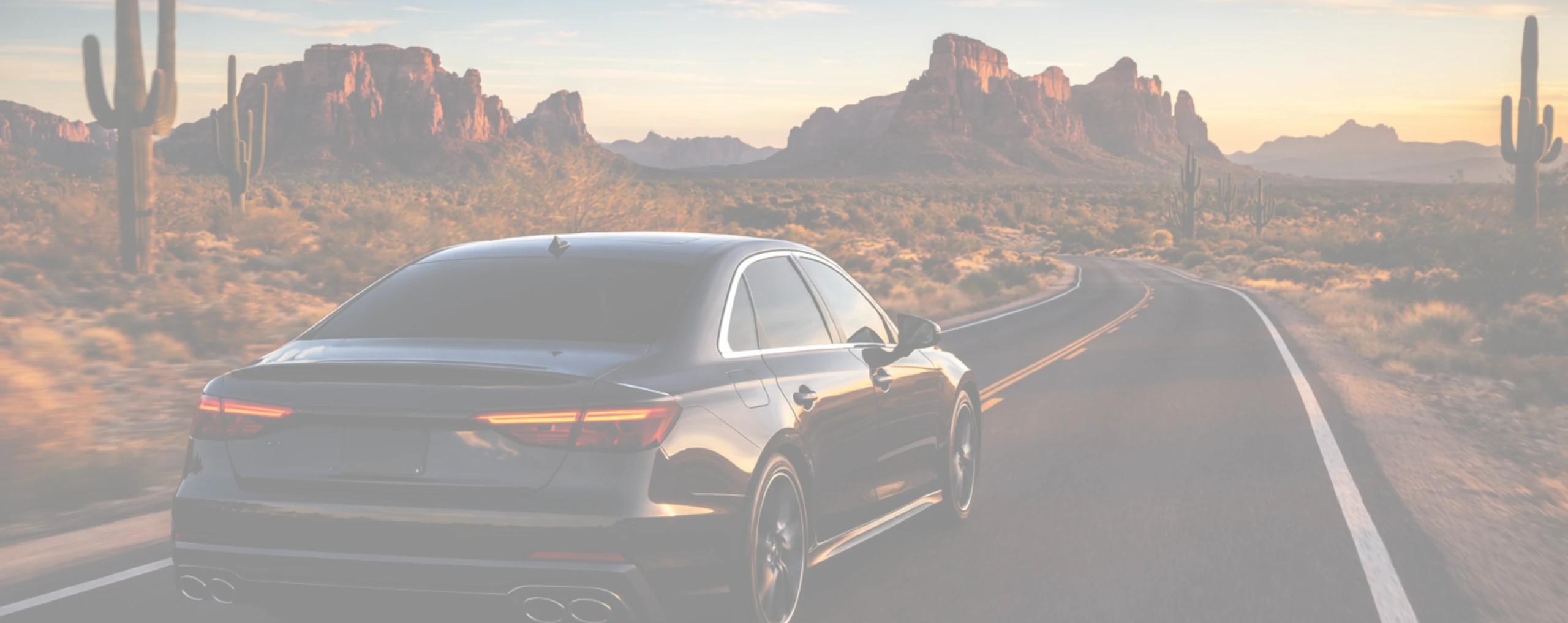
Morristown may be a small desert town, but it sits at the intersection of some of Arizona’s most dynamic wildlife corridors. Drivers heading toward local trails, desert washes, lakes, and scenic pull-offs often catch glimpses of hawks riding thermals, quail darting across the road, coyotes roaming the plains, or entire flocks of migratory birds moving between feeding areas. For many residents and visitors, these moments aren’t accidental—they’re the reason they come here in the first place.
If you spend time in Morristown scouting wildlife, photographing desert scenery, or exploring natural lookouts, your vehicle becomes more than transportation. It becomes a mobile base: a place where you store sensitive gear, wait for the right lighting conditions, or scan the horizon for movement. And in the intense Arizona sun, window tinting plays a surprisingly critical role in preserving your equipment, improving visibility, and creating a safer, more comfortable outdoor experience.
Why Window Tint Matters for Wildlife Spotters in Morristown
Wildlife enthusiasts depend on visibility. Whether you’re tracking movement near a lake, scanning ridgelines for raptors, or waiting at a scenic turnout for sunset lighting, the ability to clearly observe your surroundings is essential. But the desert landscape reflects light unlike any other environment. Pale soil, exposed rock, water surfaces, and even the bodywork of passing vehicles can create harsh, disorienting glare.
This glare does more than make driving uncomfortable—it makes wildlife spotting more difficult. Strong reflections can wash out color, distort distance perception, and create hotspots in your field of view, making it harder to identify animals quickly. Professional window tinting reduces this visual strain, helping you maintain sharper focus while driving slowly through wildlife areas or scanning from your parked vehicle.
Protecting Heat-Sensitive Equipment Stored in Your Vehicle
Photography and wildlife observation require equipment that does not respond well to extreme heat. Camera bodies, drones, long lenses, spotting scopes, binoculars, tripods, batteries, and memory cards can all degrade or malfunction after repeated exposure to the temperatures found in an untinted vehicle.
Inside a parked car in Arizona, temperatures can soar to 140–150°F in under an hour—high enough to:
- damage camera sensors
- shorten the life of drone batteries
- warp plastic housings and rubber grips
- ruin adhesives inside lenses and optics
- fog internal coatings and filters
High-quality window tinting slows this temperature rise significantly, protecting delicate gear while you’re out photographing, birdwatching, or preparing for a scenic shoot. For photographers who leave backup equipment in the vehicle or store multiple lenses in their bag, this can prevent expensive damage.
Better Focus While Navigating Wildlife Corridors
Driving through Morristown means sharing the road with wildlife. Jackrabbits, coyotes, roadrunners, and even deer may cross unexpectedly, especially during early morning and evening hours. At these times, the sun hovers low on the horizon, shining directly into the driver’s line of sight.
Untreated windows amplify the problem. The combination of direct sunlight, dust haze, and light bouncing off open terrain can produce severe glare, making it harder to detect movement in your peripheral vision. Window tint softens these brightness spikes, helping you maintain awareness of the environment—critical both for safety and for spotting wildlife behavior.
Photographers who prefer scouting from their vehicle, especially during golden hour, benefit even more. With reduced glare, it becomes easier to notice subtle movement: the flick of a tail, the flutter of wings, or the shift of an animal blending into desert brush.
How Window Tint Helps With Early-Morning and Late-Afternoon Wildlife Trips
Some of the best wildlife activity in Morristown happens at sunrise and sunset. Unfortunately, these are also the times of day when drivers encounter the most challenging light conditions. Low-angle sunlight cuts directly across desert roads, flooding the cabin with harsh brightness. Meanwhile, long shadows from boulders, canyon walls, and vegetation create dramatic contrast that makes it hard to judge distance.
Window tint helps balance these lighting extremes. By reducing the intensity of sunlight entering the vehicle, tint makes transitions between bright areas and shaded zones more comfortable and less disorienting. When you’re slowly navigating a dirt road toward a lookout point or pulling into a turnout to observe birds gathering near dusk, this improved visibility helps you avoid hazards and stay focused on your surroundings.
A More Comfortable Base for Waiting and Watching
Wildlife photographers and birdwatchers often spend long periods waiting inside their vehicles for animals to appear. In Morristown’s open landscape, this often means sitting in direct sun with little or no natural shade. Even during shorter outings, the cabin heats up quickly.
Window tinting addresses these issues by:
- reducing interior heat buildup, allowing you to stay inside comfortably while observing
- keeping touch surfaces cooler, especially steering wheels, seats, and equipment bags
- protecting your eyes while scanning through windows for wildlife activity
- providing privacy so that passing drivers or hikers can’t easily see inside your vehicle
For photographers documenting sensitive species or waiting to capture natural behavior, this extra comfort translates into longer, more focused sessions—and better results.
Privacy for Gear When Visiting Lookouts and Scenic Pull-Offs
Wildlife and nature photography require expensive equipment that is often left in vehicles between sessions. Tinted windows provide a layer of visual protection, making it harder for passersby to see valuable lenses, camera bodies, and accessories stored inside the vehicle.
This is especially helpful when parking in:
- unshaded desert pull-offs
- trailhead lots
- remote wildlife observation areas
- photo-friendly overlooks visited by travelers
While tint isn’t a replacement for securing gear, it reduces temptation and keeps your belongings less visible—important for anyone traveling with costly optics or electronics.
Morristown’s Unique Conditions Make Tint Even More Valuable
Morristown blends rural desert landscape with access to lakes, washes, and scenic mesas. This mix of open plains and reflective surfaces creates unique visual challenges not seen in more urban or forested areas.
According to this guide to activities in Morristown, the region offers a range of outdoor attractions that bring photographers and explorers into exposed environments. These conditions amplify the importance of maintaining visibility and protecting delicate gear from heat damage.
Whether you’re heading north toward Wickenburg’s desert habitats, scouting roadside birding hotspots, or traveling between lakes and washes to photograph seasonal wildlife, professionally installed tint elevates your mobile setup significantly.
Selecting the Right Tint for Wildlife & Photography Use
Not all window tint is created equal. For photographers and wildlife watchers, optical clarity is everything. You need tint that reduces glare without distorting colors or introducing haze—high-quality ceramic films excel here. These films block heat and UV radiation while preserving neutral color perception, making them ideal for outdoor enthusiasts who rely on accurate visual detail.
It’s also important to install tint that complies with Arizona’s window-visibility laws. Working with a professional ensures you get the right shade, legal compliance, and high-performance materials designed specifically for the environment you drive in.
Upgrade Your Wildlife Spotting Setup with ClearView Glass & Tint
For birdwatchers, photographers, and nature lovers exploring the Morristown region, window tinting is more than a comfort upgrade—it’s a tool that enhances visibility, protects expensive gear, and improves the overall outdoor experience. As the Arizona sun intensifies throughout the year, having the right tint allows you to focus on the landscapes and wildlife you came to see—not the heat, glare, or interior discomfort of your vehicle.
ClearView Glass & Tint provides expert tint installations tailored to Arizona drivers who expect both performance and durability. Whether you’re preparing for a day of photography or simply want a more comfortable everyday drive, we’re here to help you make the most of Morristown’s scenic roads and wildlife-rich environment.
Schedule your tint installation today and step into your next adventure with better visibility, cooler temperatures, and greater protection—on every trip across the Arizona desert.
Frequently Asked Questions Regarding Auto Window Tint and Its Effects On Birdwatching and Photographers
Most photographers prefer a film that offers strong heat and UV rejection without being so dark that it hurts twilight visibility. A mid-range, high-quality ceramic film usually hits that balance: it keeps the cabin cooler, cuts the worst glare off open desert and water, and still lets you safely navigate before sunrise or after sunset when wildlife is most active.
Yes. Without tint, tablet and camera screens are almost unusable in full sun—the reflections and brightness wash out the image. Tint makes the cabin feel more like a shaded workspace.
It does. While you should still avoid leaving sensitive equipment in extreme heat for long periods, tint slows down how fast the cabin temperature spikes and cuts direct sun off your bags and cases.
Good tint shouldn’t distort colors; it should mainly reduce intensity. When you look through a quality film, the desert landscape should still look like itself—just less blinding.
Yes. A properly chosen film cuts harsh brightness and reflections without turning your windows into sunglasses. That means you can sit in the truck, watch for movement, and raise your camera without fighting eye strain.
By Thomas McDonald
Latest Articles, Industry News & Expert Insights
Stay informed with updates, expert perspectives, and practical guidance on glass repair, replacement, and window tinting across automotive, residential, and commercial applications.