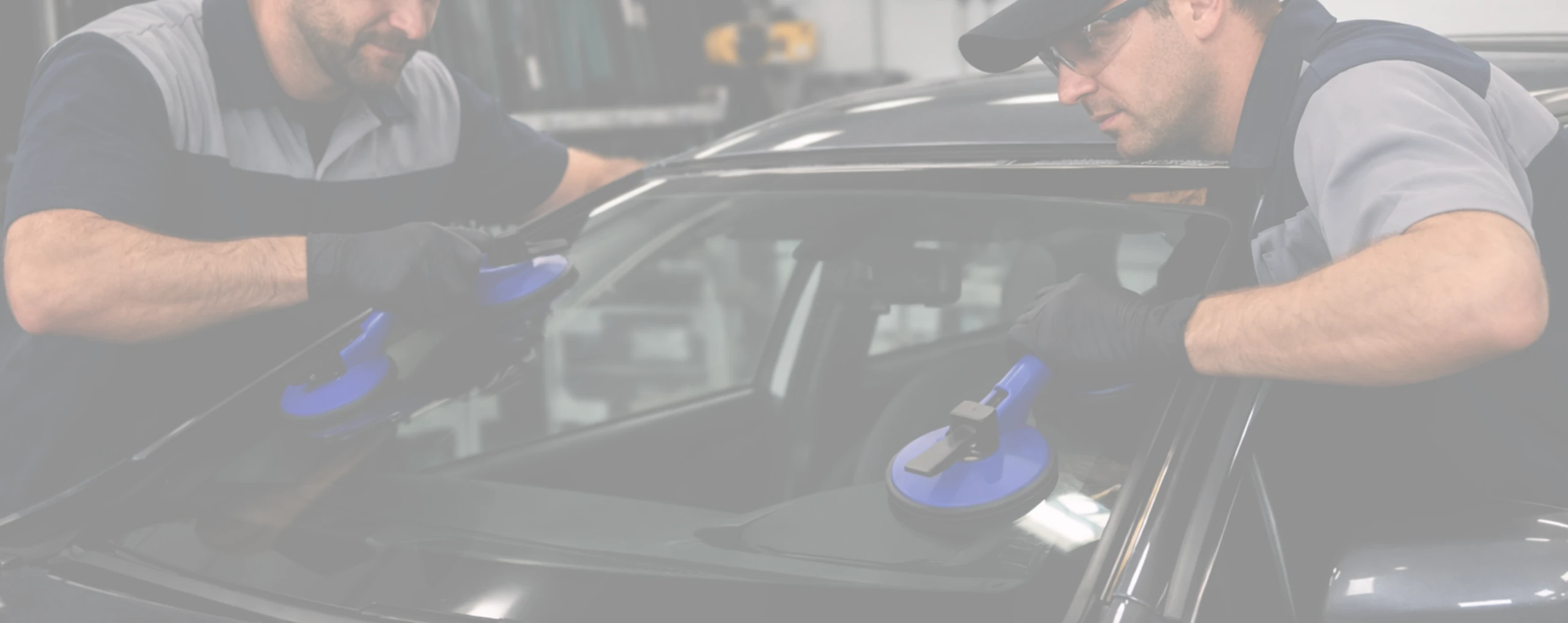
For many years, replacing a windshield was relatively straightforward. A technician identified the correct piece of glass for the vehicle, removed the damaged windshield, prepared the opening, installed the replacement and allowed the adhesive system to cure properly.
Those fundamentals still matter. What has changed is everything that may now be connected to, mounted near or designed to operate through the windshield.
On many newer vehicles, the windshield has become part of a much larger network of cameras, sensors and driver-assistance technology. Features such as lane departure warning, automatic emergency braking, adaptive cruise control, automatic high beams, rain-sensing wipers and head-up displays can all affect what happens when a windshield needs to be replaced.
That means modern windshield replacement may involve considerably more than matching a piece of glass to the year, make and model of the vehicle. The correct windshield needs to work with the equipment installed on that specific vehicle, and in some cases, cameras or sensors may need to be calibrated after the new glass is installed.
Modern Windshields Can Be Part of the Vehicle’s Technology
To someone sitting in the driver’s seat, a windshield may still look like exactly what it has always been: a large piece of glass providing a clear view of the road.
Behind the scenes, however, modern vehicles can use the windshield as part of several sophisticated systems.
A forward-facing camera, for example, is commonly positioned near the rearview mirror and looks through a specific portion of the windshield. Depending on the vehicle, information from that camera may be used by systems such as lane departure warning, lane keeping assistance, forward collision warning, automatic emergency braking, adaptive cruise control or automatic high-beam control.
According to AAA’s guidance on ADAS sensor calibration, windshield replacement is one of the common vehicle repairs that can require calibration when the position or aiming of a driver-assistance sensor is affected.
This is one reason replacing a windshield on a newer vehicle can be substantially different from performing the same job on an older vehicle with few or no windshield-related electronic systems.
The Camera Behind the Windshield Needs an Accurate View
Advanced Driver Assistance Systems, commonly referred to as ADAS, rely on sensors to gather information about what is happening around the vehicle. Cameras are one of the most important of those sensors.
A camera positioned behind the windshield may be looking hundreds of feet down the road and interpreting lane markings, vehicles, pedestrians, signs or other objects. Small changes in the position or aiming of that camera can therefore matter.
The issue is not simply whether the camera is physically attached to the vehicle after a windshield replacement. It also needs to have the view and alignment specified for that particular vehicle.
This is why some vehicles require ADAS windshield calibration after windshield replacement. Calibration is the process of ensuring that cameras or other affected sensors are positioned and operating according to the vehicle manufacturer’s requirements.
The exact procedure varies. Some vehicles use a static calibration process performed with specialized equipment and targets. Others may require a dynamic calibration in which the vehicle is driven under particular conditions. Some systems can require a combination of procedures.
There is no single universal calibration process that applies to every vehicle.
The Correct Windshield Matters More Than It May Appear
Two windshields can appear virtually identical to a driver while having important differences in their specifications.
On vehicles equipped with windshield-mounted cameras, the characteristics of the glass in front of the camera can matter. Optical clarity, distortion, camera mounting points and the configuration of the area surrounding the camera can all be relevant to the system’s operation.
This is not merely an issue raised by glass installers. Vehicle manufacturers themselves recognize the connection between windshield replacement and modern safety systems. Ford, for example, explains in its certified glass repair guidance that advanced driver-assistance technology has changed glass repair and that equipped vehicles require proper calibration of cameras and sensors as part of the repair process.
The broader point applies well beyond any single manufacturer: choosing replacement glass is no longer always as simple as finding a windshield with the correct physical dimensions.
The Same Model Can Have Different Windshield Requirements
This is one of the least obvious aspects of modern windshield replacement.
Knowing the year, make and model of a vehicle may not always tell the entire story.
Two vehicles that appear almost identical from the outside can have different equipment packages. One may have a forward-facing camera while another does not. One trim level may include a head-up display, rain sensor or additional driver-assistance technology that was optional on another version of the same vehicle.
Those differences can affect which windshield is appropriate.
This is why vehicle identification information and installed equipment can be important when determining the correct replacement glass. A professional glass company may need to establish more than simply, for example, that the vehicle is a late-model pickup truck or SUV. The exact configuration of that vehicle can matter.
Head-Up Displays Add Another Layer
Head-up displays, or HUDs, are another example of technology that can change the role of the windshield.
A HUD projects information such as vehicle speed, navigation instructions or driver-assistance information into the driver’s field of view. Although the driver sees the information appearing on or near the windshield, the system has been engineered around specific optical characteristics.
A windshield intended for a HUD-equipped vehicle may therefore have different requirements from glass intended for a version of the same vehicle without that feature.
The important takeaway for vehicle owners is simple: a windshield is increasingly a vehicle-specific component rather than a generic pane of safety glass.
Rain Sensors, Light Sensors and Other Equipment Can Also Be Involved
Not every technology associated with the windshield is part of an advanced collision-avoidance system.
Automatic windshield wipers, for example, may use a rain sensor positioned against the glass. Other vehicles may incorporate sensors associated with automatic lighting or other convenience features.
When a windshield is removed, components located on or near the glass may also have to be transferred, reinstalled or otherwise accounted for during the replacement process.
Again, the details depend on the vehicle. The increasing number of possible configurations is precisely what makes modern windshield replacement more complex than it once was.
Some Windshields Also Perform Additional Comfort Functions
Vehicle glass can also be engineered to do more than provide visibility and support electronic equipment.
Some vehicles use acoustic windshields designed to help reduce noise entering the passenger compartment. Others may incorporate solar-control characteristics intended to help manage solar energy entering through the glass.
These features may not be obvious when looking at a windshield from several feet away, but they demonstrate how specialized automotive glass has become.
As vehicle manufacturers continue adding technology and comfort features, identifying the correct glass becomes an increasingly important part of the replacement process.
Why Calibration May Be Required After Windshield Replacement
When a camera is mounted to or positioned behind the windshield, removing and replacing the glass can affect the relationship between the camera, its mounting system and the road ahead.
Calibration allows the vehicle’s system to establish or verify that relationship according to the manufacturer’s procedures.
It is important not to treat calibration as something every vehicle needs in exactly the same way. Requirements vary significantly between manufacturers, models, model years and systems.
What matters is determining what the specific vehicle requires.
Modern windshield replacement therefore combines traditional auto-glass installation skills with an understanding of the electronic systems that may interact with the glass. On an appropriately equipped vehicle, completing the physical installation of the windshield may not necessarily represent the end of the job.
Why Experience Matters With Modern Windshield Replacement
The increasing complexity does not mean windshield replacement should be confusing for the vehicle owner. It means the company performing the work needs to understand what is installed on the vehicle before the replacement begins.
Correctly identifying the glass, recognizing windshield-mounted technology, following appropriate installation procedures and determining whether calibration is required are all part of approaching a modern vehicle properly.
For drivers needing windshield replacement in Phoenix, this is particularly relevant as newer cars, trucks, SUVs and electric vehicles increasingly arrive with sophisticated driver-assistance systems as standard or optional equipment.
The same considerations apply to drivers seeking windshield replacement in Tucson. What appears to be a straightforward broken windshield may involve vehicle technology that needs to be identified before the correct replacement and service procedure can be determined.
What Drivers Should Know Before Scheduling a Windshield Replacement
Vehicle owners do not need to become experts in automotive glass or ADAS technology before scheduling a replacement. A few pieces of information can, however, help make the process smoother.
Be prepared to provide accurate vehicle information, including the year, make and model. If you know the vehicle has features such as a head-up display, lane keeping assistance, automatic emergency braking, rain-sensing wipers or a camera mounted near the rearview mirror, mentioning those features can also be useful.
It is also reasonable to ask whether the vehicle’s equipment requires calibration following replacement and whether that calibration is part of the planned service.
Most importantly, do not assume that every windshield listed for a particular vehicle is necessarily identical. Modern vehicles can have multiple glass configurations depending on how they were equipped.
Windshield Replacement Has Evolved With the Automobile
Automotive glass has evolved along with the vehicles surrounding it.
The basic purpose of the windshield remains unchanged: it must provide drivers with a clear view of the road while serving as an important part of the vehicle’s overall structure and occupant-protection system. But on many newer vehicles, the windshield now has additional responsibilities.
Cameras may look through it. Sensors may be attached to it. Driver-assistance systems may depend on equipment positioned directly behind it. Head-up displays may rely on its optical properties. Acoustic or solar-control technologies may be incorporated into the glass itself.
As a result, windshield replacement on a modern vehicle can involve considerably more than removing broken glass and installing a new piece in its place.
The key is knowing what the vehicle has, selecting the appropriate replacement glass, installing it correctly and addressing any vehicle-specific technology or calibration requirements associated with the replacement.
That is what makes windshield replacement on newer cars more complex than it used to be—and why understanding the technology behind the glass has become an increasingly important part of doing the job correctly.
Latest Articles, Industry News & Expert Insights
Stay informed with updates, expert perspectives, and practical guidance on glass repair, replacement, and window tinting across automotive, residential, and commercial applications.