Key takeaways for Tucson drivers
- A windshield is a structural safety component, not just a piece of glass.
- Proper pinchweld preparation and adhesive selection are critical in Tucson’s extreme heat and dust.
- Correct cure time matters for safety—rushing a replacement increases risk.
- Many modern vehicles require ADAS calibration after windshield replacement to restore safety features.
- Local driving conditions (I-10 debris, monsoon storms, gravel roads) make professional installation more important in Southern Arizona.xaz
Need a windshield replacement in Tucson? Schedule service with ClearView Glass & Tint today by calling (520) 393-3930 or booking online. We handle both in-shop and mobile service with safety-first standards.
If you’re researching windshield replacement in Tucson, you’re likely trying to understand more than pricing—you want to know what’s being done to your vehicle and whether it’s being done correctly. In Southern Arizona, a windshield has to withstand intense heat, airborne debris, sudden monsoon storms, and long stretches of highway driving. A professional replacement is about restoring safety, structure, and reliability, not simply installing new glass.
At ClearView Glass & Tint, we approach windshield replacement as a technical, safety-critical procedure. Below is a transparent, step-by-step look at what actually happens during a professional windshield replacement, based on real-world experience working with Tucson and Phoenix drivers every day.
Confirming the Correct Windshield for Your Vehicle
Professional windshield replacement begins with verification. Modern vehicles often have multiple windshield configurations for the same model year, depending on trim level and safety features. These differences can include acoustic laminate, rain or light sensors, heated glass, heads-up display compatibility, or forward-facing camera mounts.
Confirming the correct glass upfront prevents installation delays, improper fit, and downstream issues with sensors or calibration. This step is especially important for newer vehicles equipped with Advanced Driver Assistance Systems (ADAS).
Vehicle Intake and Safety Review
Before any removal begins, the technician documents the condition of the existing windshield, surrounding trim, and paint. This protects both the customer and the vehicle. It’s also when the technician explains the workflow, estimated timeline, and any safety considerations—such as cure time or calibration requirements.
Arizona does not treat windshield condition lightly. Maintaining safe, roadworthy vehicles is part of broader oversight handled by the Arizona Department of Transportation Motor Vehicle Division, which is why professional standards matter when replacing a component tied directly to vehicle safety.
Protecting the Interior and Exterior
Professional technicians take deliberate steps to protect the dashboard, headliner, seats, and exterior paint before removing the glass. Tucson’s dust and grit can easily scratch surfaces if proper precautions aren’t taken. Coverings and controlled tool use reduce the risk of cosmetic or interior damage during removal.
Safe Windshield Removal Without Damaging the Pinchweld
Removing the old windshield is one of the most skill-dependent parts of the job. The goal is to separate the glass while preserving the pinchweld—the bonding surface that holds the new windshield in place.
Damage at this stage can compromise adhesion and lead to leaks or rust later. Experienced technicians adjust their removal method based on vehicle design and condition rather than forcing a one-size-fits-all approach.
Pinchweld Preparation (Where Experience Really Shows)
Pinchweld preparation is rarely visible to customers, but it has a major impact on long-term performance. Old adhesive is trimmed to the proper height, contaminants are removed, and the surface is prepared to accept new urethane.
We’ve seen vehicles come into our Tucson shop with persistent leaks after a previous replacement. In multiple cases, the issue traced back to poor pinchweld prep—old adhesive left uneven or bare metal left untreated. Correcting the prep resolved the leak and prevented further corrosion.
Addressing Rust or Surface Damage
If rust is present, it must be addressed before installing new glass. Exposed metal can weaken adhesion and continue to corrode under trim. Professional best practice involves treating or priming affected areas according to industry standards, rather than covering the problem and hoping for the best.
This step is particularly important in Southern Arizona, where monsoon moisture combined with heat can accelerate corrosion once it starts.
Test Fit and Alignment Planning
Before adhesive is applied, technicians confirm alignment points and ensure the windshield will seat correctly. Proper alignment affects seal integrity, wind noise, and camera positioning. This planning step reduces the risk of future issues that often appear only at highway speeds on roads like I-10.
Adhesive Selection and Application in Tucson Heat
Not all urethane adhesives behave the same, especially in high temperatures. Professional installers select adhesives appropriate for the vehicle and ambient conditions, factoring in working time and safe drive-away time.
Applying a consistent, properly shaped adhesive bead ensures even bonding and structural integrity. This step separates minimum acceptable installation from professional best practice.
Setting the New Windshield
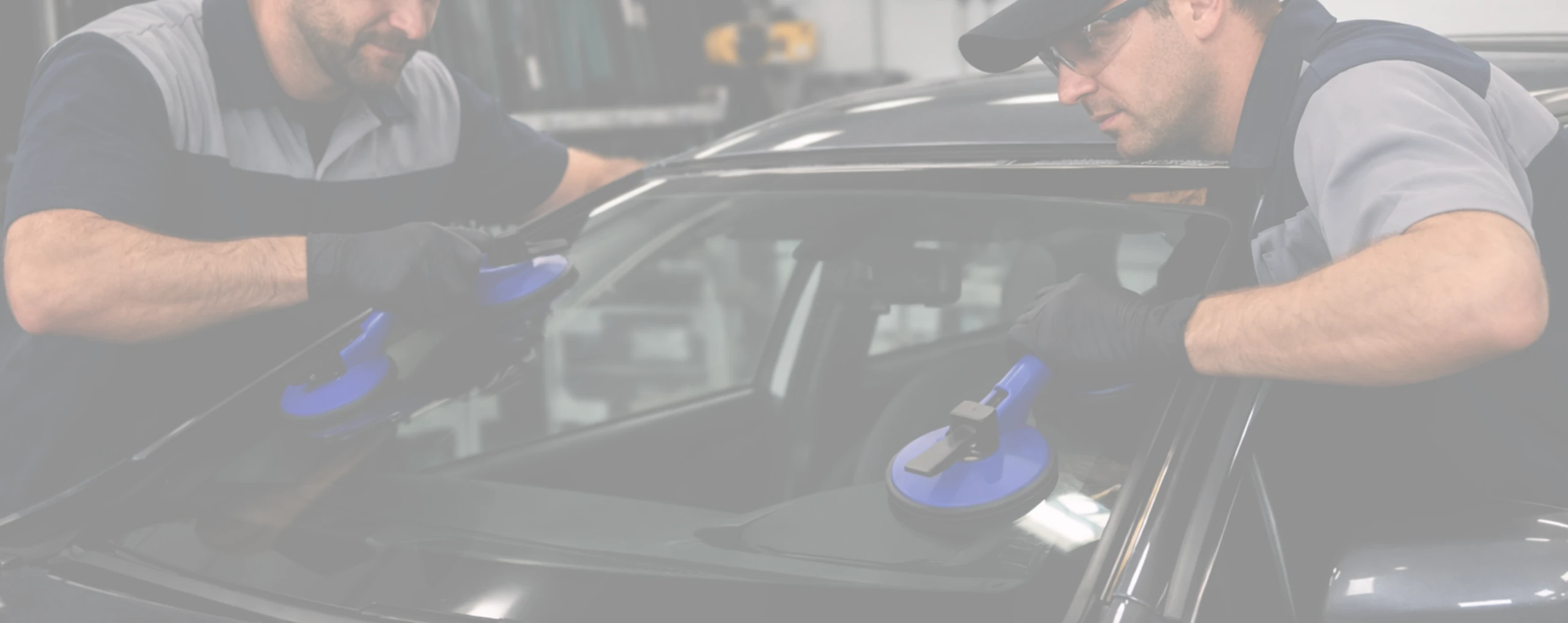
The windshield is placed carefully and aligned precisely. Controlled pressure ensures full contact with the adhesive without over-seating or stress. Trim and moldings are reinstalled or replaced as needed to maintain a proper seal.
Managing Cure Time and Safe Drive-Away
Cure time is critical for safety. While some budget installations release vehicles as quickly as possible, professional standards prioritize bond strength. Technicians provide clear guidance on when it’s safe to drive and what to avoid during the initial cure period.
From a safety perspective, this matters because the windshield supports airbag deployment and roof strength. Rushing this step increases risk.
ADAS Calibration Considerations
Many vehicles require ADAS calibration after windshield replacement. Cameras mounted behind the windshield rely on precise alignment. Even small deviations can affect lane-keeping, collision warnings, or adaptive cruise control.
We’ve worked with Tucson drivers who experienced false collision alerts after a windshield replacement performed elsewhere. In those cases, recalibrating the ADAS system restored normal operation. Calibration isn’t an upsell—it’s a safety requirement when the vehicle calls for it.
Final Inspection and Quality Checks
The final inspection confirms proper fit, seal integrity, and trim placement. Technicians check for gaps, wind noise risk, and any signs of improper seating. This step helps ensure the windshield performs correctly during daily driving, monsoon rain, and extended highway use.
What to Expect From a Professional Windshield Replacement Shop in Tucson
A professional shop should be able to clearly explain its process and safety standards. Key indicators include attention to preparation, proper adhesive use, adherence to cure times, and clear communication about ADAS calibration when required.
Practical Aftercare Tips for Tucson Drivers
- Avoid high-pressure car washes until the adhesive has fully cured.
- Follow any guidance about cracking windows to manage cabin pressure.
- Park in shaded areas when possible during the first day.
- Contact the shop promptly if you notice unusual wind noise or leaks.
Frequently Asked Questions About Windshield Replacement in Tucson
The preparation of the bonding surface (pinchweld). If this step is rushed or done incorrectly, the windshield may leak, loosen, or fail prematurely—regardless of how good the glass itself is.
Yes. High temperatures can speed up or complicate adhesive curing, depending on conditions. That’s why safe drive-away times should be based on professional guidance, not a fixed clock.
Absolutely. Dust can interfere with adhesive bonding if not controlled properly. Experienced technicians take extra steps to keep the bonding area clean during installation.
Yes, when performed by experienced technicians with proper tools and environmental controls. Conditions such as wind, dust, and extreme heat must be managed carefully.
By Thomas McDonald
Latest Articles, Industry News & Expert Insights
Stay informed with updates, expert perspectives, and practical guidance on glass repair, replacement, and window tinting across automotive, residential, and commercial applications.