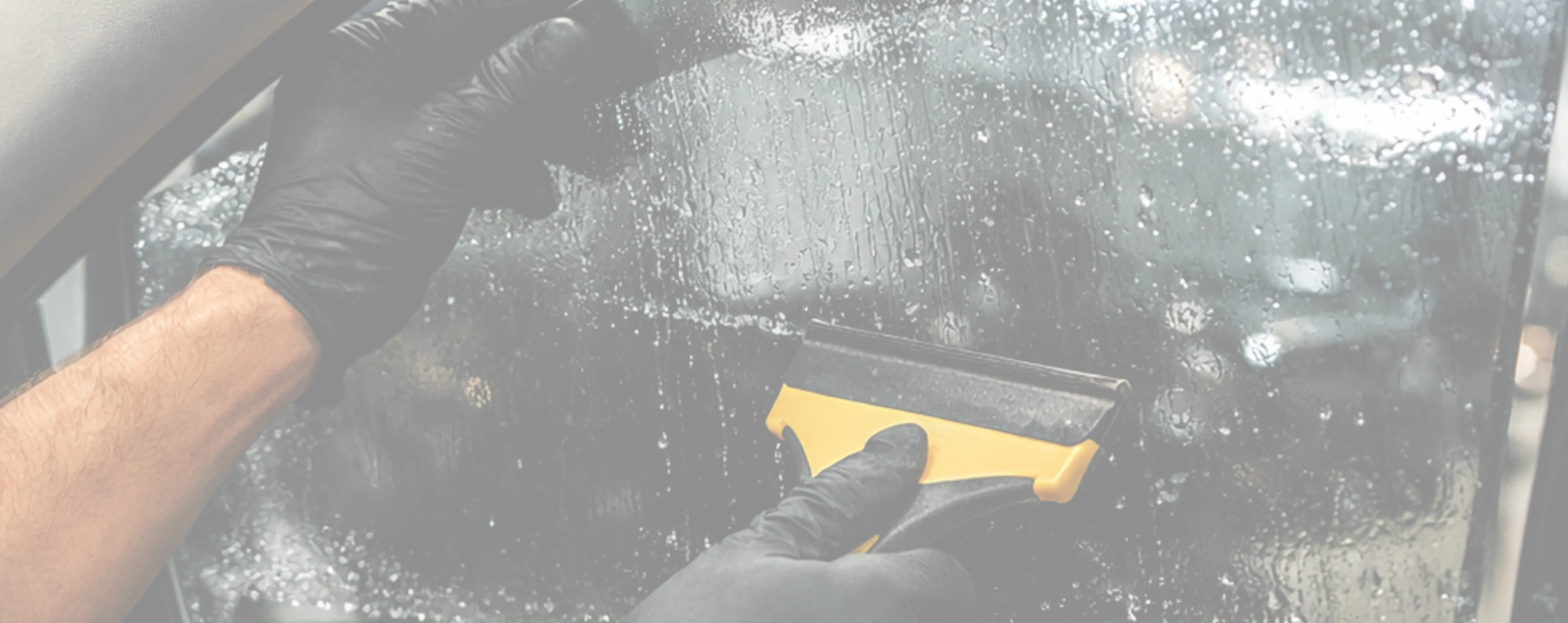
From neighborhood builds in Rancho Sahuarita to service calls across Green Valley, jobsite days mean sun on glass for hours. If your cab feels like an oven at lunch and your dash tablet is hard to read, a Sahuarita, AZ tuned window tint setup can lower cabin temps, cut screen glare, and add cargo privacy—without over-darkening the front windows.
For most crews, the truck isn’t just transportation—it’s an office, breakroom, parts runner, and mobile storage unit. You might start before sunrise, roll through back-to-back stops, and end the day with the cab still radiating heat from the afternoon sun. Every time you open the door, you feel the buildup: hot vinyl, bright glare off paperwork, and a steering wheel that feels like it sat under a magnifying glass. A work-ready tint package helps take that edge off so the vehicle is easier to live in for an entire shift.
Why Work Trucks Overheat Faster
Large glass areas, vinyl seats, and metal cargo soak up radiant heat. Infrared (IR) energy drives cabin temperatures up, forcing the A/C to work harder during service routes. Ceramic films target IR while blocking nearly all UV—so your cab cools quicker and interiors age more slowly.
Service and construction trucks are especially vulnerable because they tend to spend more time parked in exposed lots, driveways, and roadside pull-offs than the average commuter vehicle. Between jobs, the engine may be off but the sun is still pounding directly onto the windshield, side glass, and metal panels. By the time you hop back in, that stored heat has nowhere to go except into the air you’re breathing and the surfaces you touch.
Vinyl and dark cloth seats make the problem worse by absorbing and holding heat longer than lighter, softer materials. Tools, metal boxes, and equipment in the back also act like radiators, continuing to warm the cabin after you start the truck again. When IR is allowed to pour through untinted glass all day, your A/C ends up running full tilt just to keep up, increasing fuel use and adding fatigue for drivers and passengers.
The Work-Truck Tint Spec (Built for Crews)
- Front doors (visibility first): Stay on the lighter, legal side for clear night and dawn driving; rely on high-IR ceramic for cooling rather than darkness.
- Rear & cargo: One or two steps darker to stabilize cabin temps and make tools less visible from sidewalks and parking lots.
- Windshield: Where permitted, a clear ceramic layer trims IR heat; add a legal sun strip to reduce low-angle glare on early/late calls.
- Glass roof/portholes: Clear, high-IR film reduces overhead heat without changing outward appearance.
- One film family: Keep color neutral and uniform across the vehicle for a professional fleet look.
This spec is designed around how crews actually use their trucks. Lighter, legal front doors keep visibility high when you’re turning into unlit subdivisions, backing into tight driveways, or leaving jobsites before sunrise. The cooling comes from the film’s IR-rejection performance, not from cranking the shade to the darkest possible level. That means the truck still feels comfortable inside without making night driving risky.
Darker rear and cargo glass give your gear a shade advantage and help the entire cabin feel more even from front to back. When you’re stopped for lunch or staging for the next job, the rear of the truck isn’t acting like a sauna behind you. At the same time, passersby can’t immediately see exactly what’s in the back—an important detail when you’re carrying expensive tools, spare parts, or electronics.
Using one film family across the entire vehicle ensures everything looks consistent. For single trucks and especially small fleets, that uniform, neutral tone reads as professional and intentional, not pieced together. It also makes it easier to replicate the same look and performance as you add more vehicles over time.
Tablet Readability, Fewer Hot-Cab Breaks
Glare on MDTs/tablets slows lookups and routing. A spectrally selective ceramic reduces reflections and keeps touch surfaces cooler to the touch. Pair tint with common-sense heat practices—pre-cool before departure and park with the sun behind the cab. For general hot-weather safety on workdays, see NIOSH heat guidance.
Most modern work trucks now rely on screens for everything: job notes, routing, signatures, photos, and inventory checks. When sunlight bounces directly off a glossy tablet or dash-mounted display, it slows down every interaction. Drivers end up tilting devices, cupping hands around screens, or moving to shade just to read an address. That’s wasted time on busy days and can lead to mistakes when someone misreads a digit or misses a note.
A good tint setup calms down the overall brightness inside the cab, so screens don’t have to fight the environment as hard. The display can stay at a lower brightness setting, which is easier on eyes during long days and less distracting during early morning and evening calls. Cooler surfaces also mean your devices aren’t constantly sitting in direct heat, which helps protect batteries and internal components over time.
Layering that with simple heat management—pre-cooling the cab while you finish loading, backing into spots so the sun hits the rear instead of the windshield, and using reflective shades during longer stops—creates a much more livable workspace. You get fewer “I need to step out of the truck just to breathe” moments and more steady, productive time on the clock.
Privacy & Deterrence at Jobsites
Tint won’t replace secure storage, but it helps reduce casual visibility of tool bags and parts in the rear. Combine darker cargo glass with simple habits—cover bins, keep expensive tools below the beltline, and lock between stops—for a practical, layered approach.
In busy neighborhoods or commercial areas, a work truck can look like a rolling parts store. Open sightlines into the cargo area advertise what’s inside, even if someone is just walking by on the sidewalk. A proper tint level turns the glass into more of a mirror during the day, making it harder to see what’s stored behind the seats or under the bed cover.
That deterrence works best when combined with basic routines. Sliding tool bags under cargo covers, throwing a light blanket or panel over bins, and locking the truck every time you step away all send the same message: nothing is easily accessible. Tint simply adds another layer to that message without screaming for attention. From the street, the truck looks clean, professional, and buttoned-up—not like an open invitation.
Driver Comfort & Safety on Long Routes
Crews who run multiple calls along I-19, Sahuarita Road, or into Green Valley know how draining full-sun driving can be. Harsh glare leads to squinting, headaches, and fatigue—especially late in the day when eyes are already tired from jobsite tasks. A well-chosen ceramic film softens that harshness, helping drivers stay more alert and comfortable over the course of a long shift.
Because the front doors stay in a lighter, legal range, you keep full use of side mirrors, spot traffic at intersections, and judge distances accurately even in low light. That balance—less glare and heat, but solid visibility—is the difference between “dark and risky” tint and a true work-truck spec dialed in for real-world driving.
Pro Install for Fleet Reliability
Clean-bay installation limits dust nibs; plotter-cut patterns mean tight edges around seals; and a desert-grade warranty keeps your trucks looking uniform through high UV. A certified shop will also verify Arizona compliance so crews get comfort without compliance headaches.
For single trucks and small fleets, downtime matters. A professional installer with the right tools and experience can move efficiently without cutting corners, so vehicles are back on the road quickly and the film cures correctly. Plotter-cut patterns reduce the chance of knife marks on glass or trim, and precise edges around gaskets and frit bands keep the install looking factory-clean.
Fleet managers also care about consistency. When every truck wears the same shade and film type, your branding looks sharper and more intentional. New hires can hop into any vehicle and get the same cabin feel: similar glare control, similar privacy, same level of comfort. And if something ever does go wrong—a rare defect or accidental damage—a strong warranty and relationship with a local shop make it easy to resolve without disrupting your schedule.
Book a Work-Ready Tint in Sahuarita
Cooler cabs, clearer screens, and better cargo discretion start with the right spec. Get a quick quote for work-truck & fleet window tinting in Sahuarita. ClearView Glass & Tint installs premium, signal-safe ceramics tailored to Arizona jobsites.
Whether you’re running a single service vehicle or coordinating a small fleet that covers Sahuarita, Green Valley, and surrounding communities, a work-focused tint package becomes part of your daily toolkit. It protects your people from harsh heat and glare, helps your equipment last longer, and keeps the truck looking professional when it’s parked in front of customers’ homes or businesses.
Partner with an installer that understands Arizona sun, local routes, and the demands of jobsite driving, and you’ll end up with trucks that feel better to work in all day—not just for the first hour of the morning. With the right ceramic film on the glass, every call starts in a cooler cab, with screens you can actually read and gear that’s a little less on display.
Frequently Asked Questions Regarding Auto Window Tint for Work Fleet Vehicles
By blocking IR heat, ceramic tint keeps seats, dashboards, and tools from overheating, so the cab cools faster and stays manageable even on back-to-back job stops.
Large windows, vinyl seats, and metal cargo act like heat collectors, holding warmth long after the engine is off. Tint reduces that heat load so the truck isn’t roasting between calls.
Yes—high-IR ceramic films cool the cab without needing dark shades, so drivers retain full visibility during early-morning, nighttime, or low-light site arrivals.
Low-angle glare on Sahuarita Road or I-19 can make visibility tough. A legal sun strip softens that sharp glare without blocking signage or traffic cues.
Work trucks see dirt, dust, and heavy use—so clean-bay installs, precision cuts, and proper curing ensure the film lasts, stays professional-looking, and avoids costly touch-ups.
By Thomas McDonald
Latest Articles, Industry News & Expert Insights
Stay informed with updates, expert perspectives, and practical guidance on glass repair, replacement, and window tinting across automotive, residential, and commercial applications.