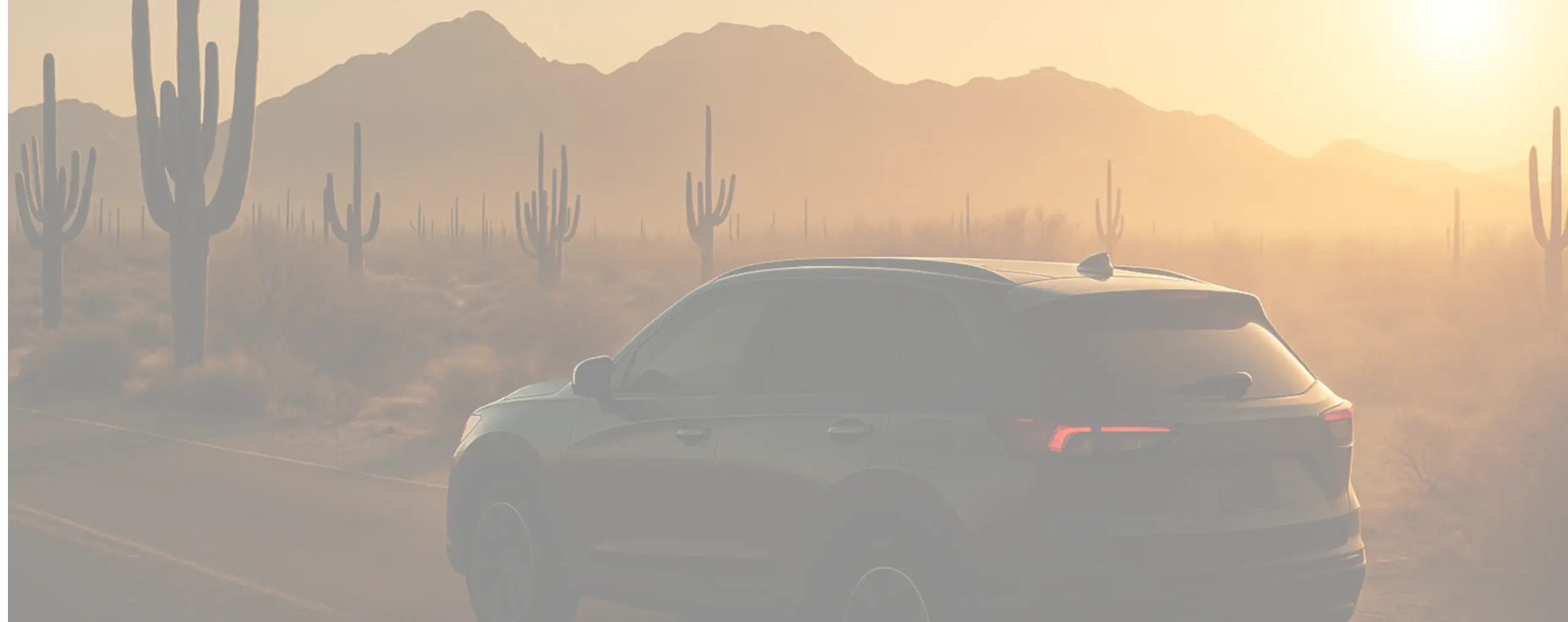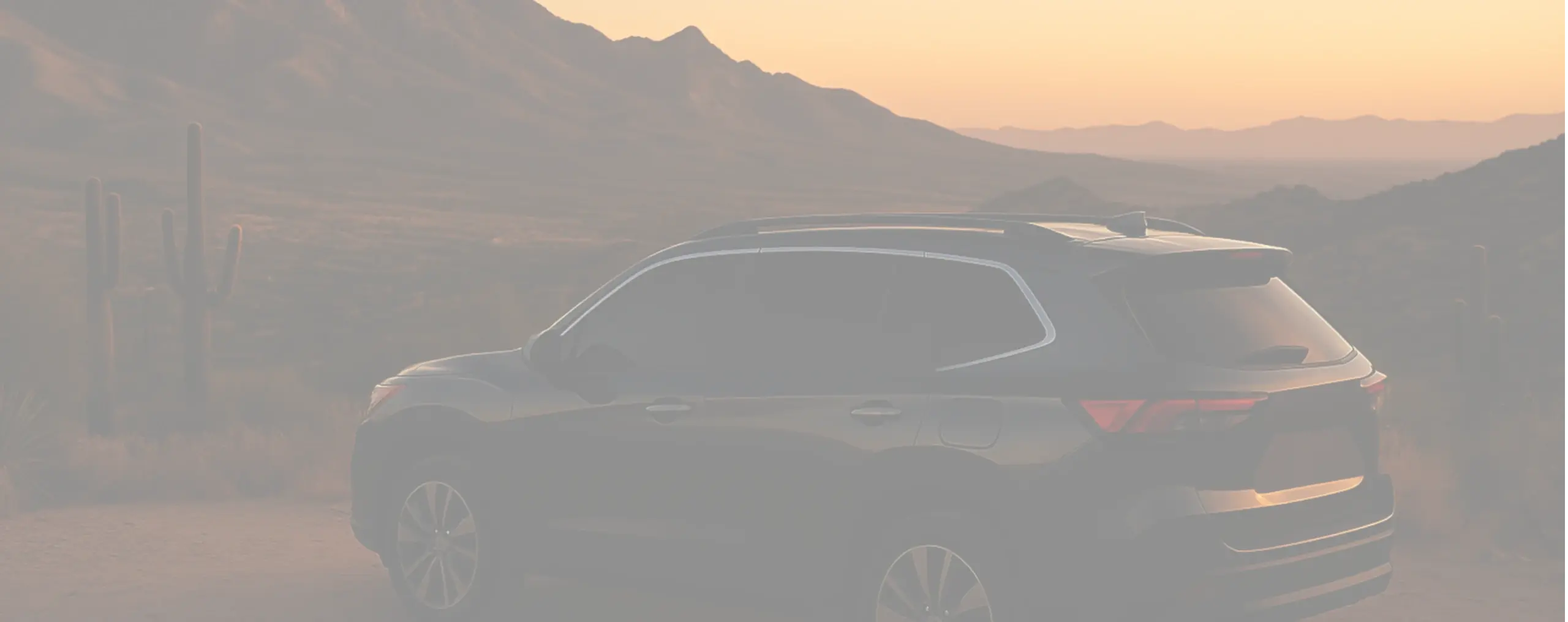
Living in Tatum Highlands means having quick access to some of the best desert recreation in the north Phoenix area. On any given morning, you’ll see residents loading up bikes, hiking gear, or dogs and heading out to nearby trailheads and open spaces. While that outdoor lifestyle is a major part of the appeal, it also means your vehicle spends a lot of time sitting in exposed parking lots and trailhead pull-offs under intense Arizona sun. Window tinting is one of the simplest upgrades you can make to protect your car from that reality and keep it more comfortable every time you return from the trail.
Instead of thinking about tint purely as a cosmetic add-on, Tatum Highlands drivers can look at it as a practical tool for desert living. Quality film reduces heat, blocks damaging UV rays, cuts glare, and adds a layer of privacy—all of which matter when your vehicle is regularly parked at trailheads, community parks, or roadside pullouts while you’re out exploring. Over time, that protection helps your car age better and makes your drives to and from the trails noticeably more pleasant.
Why Arizona’s Sun Demands Extra Protection
In Tatum Highlands, intense UV rays and high desert temperatures quickly take a toll on vehicles. Interiors fade, dashboards crack, and electronics overheat when cars are left in uncovered lots or trailhead parking areas. Clear glass offers very little defense; sunlight passes through easily, gets absorbed by dark surfaces, and is re-radiated as heat that becomes trapped inside the cabin. Quality window tint blocks harmful rays, reduces heat buildup, and helps preserve your car’s interior for the long haul.
That protection matters even if you don’t rack up huge mileage. A vehicle that sits for hours at a trailhead on weekends, or outside your home during sunny weekdays, is constantly exposed. Without a barrier on the glass, leather and vinyl dry out faster, plastics lose their color, and touchscreens and displays spend years baking in direct light. A good tint setup works quietly in the background, softening the impact of the sun every time your car is parked facing the desert sky.
Trailhead Parking and Heat-Soaked Cabins
Trailhead parking is notoriously exposed. Many lots near Tatum Highlands and the surrounding desert have little to no shade, and the combination of reflective rock, pale soil, and wide-open sky amplifies the heat inside parked vehicles. Even on days that feel relatively mild, cabin temperatures can climb far above the outside air in a short period. For drivers who like to hit the trails for a few hours, that often means coming back to a car that feels more like a sauna than a place to relax on the way home.
Window tinting can’t eliminate heat entirely, but it significantly reduces how quickly and how intensely your cabin heats up. By cutting the infrared (IR) portion of sunlight that drives surface temperatures, ceramic films help keep seats, steering wheels, and gear in the back from becoming painfully hot. When you get back from a hike or ride, you’ll still want to let the A/C work for a moment, but the difference between a tinted and untinted vehicle is immediately noticeable in how the interior feels.
Comfort After Outdoor Adventures
After spending hours enjoying the outdoors, the last thing you want is to return to an unbearably hot vehicle. Window tinting keeps cabin temperatures down, so your car stays cooler and more comfortable—even during the peak of Arizona’s summer. That matters whether you’re wearing hiking boots and a backpack or just coming back from a quick loop with the dog. Instead of bracing yourself for a blast of heat, you can get everyone buckled in and on the road more quickly.
For families, that comfort is even more important. Kids and older adults can be especially sensitive to high interior temperatures, and hot buckles or seats make the ride home feel longer than it needs to be. With a good tint setup, the cabin doesn’t reach the same extreme highs during your time on the trail, which helps shorten cool-down times and makes the transition from desert sun to air-conditioned car much easier on everyone.
Explore Reach 11 Recreation Area
One of the nearby gems for outdoor enthusiasts is the Reach 11 Recreation Area. With miles of multi-use trails perfect for hiking, biking, or horseback riding, it’s a popular escape for Tatum Highlands residents looking for quick access to desert scenery and quiet stretches of trail. Parking areas serving Reach 11 and other nearby trail systems often sit fully exposed to the sky, so your vehicle may be taking the full brunt of the sun while you’re out enjoying cooler air on the move.
While you’re out exploring, tinted windows ensure your car remains better protected from the sun until you return. Your gear in the back sees less direct radiant heat through the glass, and surfaces inside the cabin aren’t absorbing the same level of UV. For people who hit Reach 11 regularly—before work, after work, or on weekends—that kind of consistent protection adds up over the course of a season and over the life of the vehicle.
Protecting Gear, Electronics and Interior Surfaces
Outdoor adventures often mean traveling with more than just passengers. You may have hydration packs, cycling gear, hiking poles, GPS devices, cameras, and other equipment in the back seat or cargo area. These items can be sensitive to extreme heat, especially if they’re stored in dark bags or placed near glass where sunlight hits directly. Over time, repeated exposure to high temperatures can shorten the life of batteries, damage plastics, and degrade materials like foam and adhesives.
Window tint helps shield both your interior and your gear from the worst of that heat buildup. By blocking most UV and a significant portion of IR, quality films reduce the intensity of direct sunlight hitting your belongings. While it’s still wise to keep very sensitive items out of the sun and never leave valuables unattended, a tinted vehicle provides a more forgiving environment for the gear you carry to and from the trail.
Glare, Visibility and Safety to and From the Trail
Driving to and from trailheads around Tatum Highlands often involves dealing with low-angle sun in the early morning or late afternoon. Those are prime hours for outdoor activity—but also peak times for glare. Bright light can shine directly into your eyes or reflect off windshields, pale desert surfaces, and nearby buildings as you move between the neighborhood and the main roads leading toward Phoenix.
Window tint reduces the harshness of that light, making it easier to see lane markings, other vehicles, cyclists, and pedestrians. A high-quality, color-neutral film improves contrast without overly darkening your view, especially if the front windows are kept at a legal, lighter shade. That balance allows you to maintain safe visibility in shaded areas and at night while still getting meaningful relief from glare during bright desert drives.
Style and Privacy for Local Drivers
Beyond practical benefits, tinting also adds a sleek, stylish look to vehicles in Tatum Highlands. A clean, neutral tint can make your vehicle look more “finished” and modern, matching the tidy, well-kept feel of the neighborhood itself. It’s an upgrade you notice every time you walk up to the car, not just when you’re sitting inside it.
The added privacy makes daily drives around the neighborhood or trips into Phoenix feel more secure and comfortable. While window tint won’t turn your vehicle into a safe, it does make it harder for someone walking by to quickly see what’s inside. Backpacks, shopping bags, or gear stowed in the rear seats or cargo area are less visible at a glance. For many drivers, that modest privacy boost is a welcome side effect of a comfort-focused upgrade.
Choosing the Right Tint for an Active Desert Lifestyle
To get the most from window tinting in Tatum Highlands, it helps to choose film and shades that match your active routine. Non-metal, ceramic films are often the best fit for modern vehicles because they deliver strong heat and UV rejection without interfering with keyless entry, GPS, or mobile signals. They also tend to stay color-stable over time, so you don’t end up with glass that turns purple or overly reflective as the film ages.
Most outdoor-oriented drivers prefer a balanced configuration: legal, lighter film on the front windows for clear vision on pre-dawn or after-dark drives, with slightly darker film on the rear doors and back glass for improved comfort and privacy. A professional installer can show you different film lines and shade levels in natural light, explain how each will perform in desert conditions, and help you choose a setup that feels right for your eyes, your passengers, and your style.
Upgrade Your Vehicle with the Experts
Don’t let Arizona’s sun damage your vehicle while you enjoy the best of desert living. Trust ClearView Glass & Tint for professional window tinting. Their expert team installs film in a clean, controlled environment, uses precise patterns for smooth edges, and recommends products designed specifically for harsh, sunny climates. You’ll get premium UV protection, meaningful heat reduction, and long-lasting comfort from a setup tailored to how you drive.
Whether your weekends revolve around the Tatum Highlands trail network, regular trips to Reach 11, or simply enjoying the desert views on your way to and from home, the right window tint can make all of those drives more enjoyable. Schedule your appointment and head out on your next adventure knowing your vehicle is better protected, your cabin will be more comfortable when you return, and every mile between home and the trail is just a little easier on your eyes and your interior.
Frequently Asked Questions Regarding Your Vehicle and Auto Window Tint While at Trailheads
While tint can’t fully protect heat-sensitive gear, it does reduce direct radiation through the glass, which helps limit how hot packs, devices, and plastic components get. It creates a gentler environment for anything stored in the cargo area during outings.
Tint reduces infrared heat build-up during long outdoor activities, so your cabin doesn’t reach the same extreme temperatures while you’re out hiking or biking. When you return, surfaces are noticeably cooler and your A/C doesn’t need to work as hard.
Yes—ceramic films are particularly effective at softening harsh reflections bouncing off sand, pale soil, and exposed rock surfaces. This helps your eyes adapt more easily on local desert roads.
Ceramic films reject significant heat and UV without interfering with GPS, phones, or keyless systems—important for drivers navigating trailheads or open desert. They also stay stable over time, even under years of desert exposure.
Tint moderates interior temperatures and reduces harsh sunlight entering the rear area, making post-adventure rides safer and more comfortable for pets—especially when the cabin is already warm from time spent outside.
By Thomas McDonald
Latest Articles, Industry News & Expert Insights
Stay informed with updates, expert perspectives, and practical guidance on glass repair, replacement, and window tinting across automotive, residential, and commercial applications.