Vehicles today are far more advanced than they were even a decade ago. Large infotainment screens, digital dashboards, advanced driver assistance systems, touch-sensitive climate controls, and premium interior materials are now standard in many cars driving through Gilbert, Arizona. While these upgrades improve convenience, safety, and driving enjoyment, they also introduce a new vulnerability—heat and UV exposure.
In a sun-intense environment like Gilbert, modern vehicle technology and interior components are exposed to conditions they were never designed to endure unprotected. Automotive window tinting has become less of a cosmetic upgrade and more of a protective measure for drivers who want their vehicles to function properly, look clean, and retain value over time. This article explores how window tint specifically protects modern in-car technology and interior materials, and why Gilbert drivers with newer vehicles benefit more than ever from professional tinting.
Modern Vehicles Are More Sensitive to Heat Than Older Models
Older vehicles relied heavily on analog gauges, mechanical switches, and simpler interior materials. Today’s cars are essentially rolling computers. Large LCD and OLED displays, capacitive touch panels, camera systems, sensors, and integrated electronics are now embedded throughout the cabin. These systems generate heat on their own—and prolonged exposure to high ambient temperatures only compounds the issue.
In Gilbert, where parked vehicles can experience extreme interior temperatures for extended periods, this sustained heat exposure can accelerate wear on electronic components. Automotive window tint reduces solar heat gain through side and rear glass, helping to moderate cabin temperatures and reduce the stress placed on sensitive technology while the vehicle is parked or driven.
Infotainment Screens and Digital Dashboards Need Protection
Large center displays and fully digital instrument clusters are now common across nearly all vehicle brands. These screens are designed to operate within specific temperature ranges. When a car sits in direct sun for hours, especially in uncovered parking lots common throughout Gilbert, internal temperatures can exceed optimal limits.
Repeated exposure to excessive heat can contribute to:
- Screen discoloration or fading
- Reduced touch responsiveness
- Delamination or bubbling beneath display surfaces
- Shortened lifespan of internal components
Automotive window tint helps reduce how quickly cabin temperatures climb and limits direct solar radiation striking screens from side angles. While tint cannot eliminate heat entirely, it plays a meaningful role in reducing cumulative thermal stress on expensive digital components.
Interior Materials in Newer Cars Break Down Faster Under UV Exposure
Modern vehicle interiors use a wide range of advanced materials—synthetic leathers, soft-touch plastics, gloss trims, coated metals, and adhesives that bond trim panels together. These materials offer a premium look and feel, but they are often more sensitive to UV exposure than older, harder plastics.
Without window tint, prolonged sun exposure can lead to:
- Fading or discoloration of seats and door panels
- Drying and cracking of synthetic leather surfaces
- Weakening of adhesives behind trim pieces
- Warping of dashboard components
Window tint blocks a significant percentage of UV radiation before it enters the cabin, slowing the breakdown process of these materials. For Gilbert drivers who plan to keep their vehicles long-term—or who want to preserve resale value—this protection is especially important.
Why Heat Management Matters for Advanced Driver Assistance Systems
Many modern vehicles are equipped with advanced driver assistance systems (ADAS), including cameras, radar sensors, and interior monitoring systems. While some of these components are mounted externally, many are housed behind glass or within the cabin environment.
Excessive heat can affect sensor housings, internal calibration components, and electronics over time. Automotive window tint helps reduce interior temperature extremes, contributing to a more stable environment for these systems. While tint does not replace proper maintenance or calibration, it supports the long-term reliability of technology designed to enhance safety.
Modern Vehicles Carry More Personal Technology Than Ever
Beyond factory-installed systems, many Gilbert drivers carry additional technology inside their vehicles: smartphones, tablets, laptops, portable chargers, smart accessories, and wearable devices. Even brief exposure to high heat can impact battery health and electronic performance.
Window tint helps slow heat buildup inside the cabin, making it less likely that personal devices are exposed to extreme temperatures during short stops. This is particularly valuable for drivers running errands, attending appointments, or spending time at destinations like the Riparian Preserve at Water Ranch, where vehicles may remain parked in open sun for extended periods.
Why Newer Vehicles Experience Heat Differently
Newer vehicles often feature larger glass areas, panoramic roofs, and expansive side windows. While these design elements improve visibility and aesthetics, they also increase solar exposure. Without tint, sunlight enters the cabin from multiple angles throughout the day, especially as the sun shifts position.
Automotive window tint addresses this design trade-off by filtering incoming solar energy without compromising outward visibility. This allows drivers to enjoy modern vehicle design while reducing the unintended consequences of increased glass exposure.
Preserving Long-Term Vehicle Value in Gilbert’s Climate
Gilbert drivers frequently invest in higher-trim vehicles with premium interiors and advanced features. Protecting that investment requires more than routine cleaning—it requires minimizing environmental stress over time. Vehicles that show signs of sun damage inside often lose value faster, even if mechanical condition remains strong.
By reducing UV exposure and moderating interior temperatures, window tint helps maintain a vehicle’s appearance and functionality. This can be especially beneficial when selling, trading in, or returning a leased vehicle, where interior condition plays a major role in valuation.
Professional Tint Selection Matters More for Tech-Heavy Vehicles
Not all window films perform the same. For vehicles with advanced interiors and technology, selecting a high-quality film designed for heat rejection and UV blocking is critical. Poor-quality films may discolor, haze, or degrade over time, undermining both appearance and performance.
Professional installation ensures:
- Uniform appearance across all windows
- Clear visibility without distortion
- Durable adhesion suited for Arizona heat cycles
- Compliance with Arizona tint regulations
This level of precision matters when the goal is protecting sophisticated interiors rather than simply darkening windows.
How Tint Improves Daily Driving Comfort Without Changing Driving Habits
One of the advantages of window tint is that it works passively. Once installed, it provides protection every time the vehicle is used—without requiring changes to driving behavior. Whether commuting, running errands, or parking for short or long periods, the benefits are constant.
For Gilbert drivers who rely on their vehicles daily and expect technology to function reliably, tint becomes part of an overall vehicle care strategy rather than an optional upgrade.
Choosing a Solution Built for Gilbert’s Environment
Gilbert’s climate presents unique challenges: intense sunlight, high temperatures for much of the year, and frequent parking in open areas. Automotive window tinting tailored to these conditions helps create a more controlled interior environment that modern vehicles require.
By focusing on heat rejection, UV protection, and optical clarity, professional tinting supports both comfort and long-term vehicle performance in ways that are especially relevant to tech-heavy cars.
Protect Your Vehicle’s Technology with ClearView Glass & Tint
If you drive a modern vehicle in Gilbert, protecting its technology and interior materials should be a priority. Automotive window tinting offers a proven way to reduce heat exposure, block damaging UV rays, and preserve the performance and appearance of advanced in-car systems.
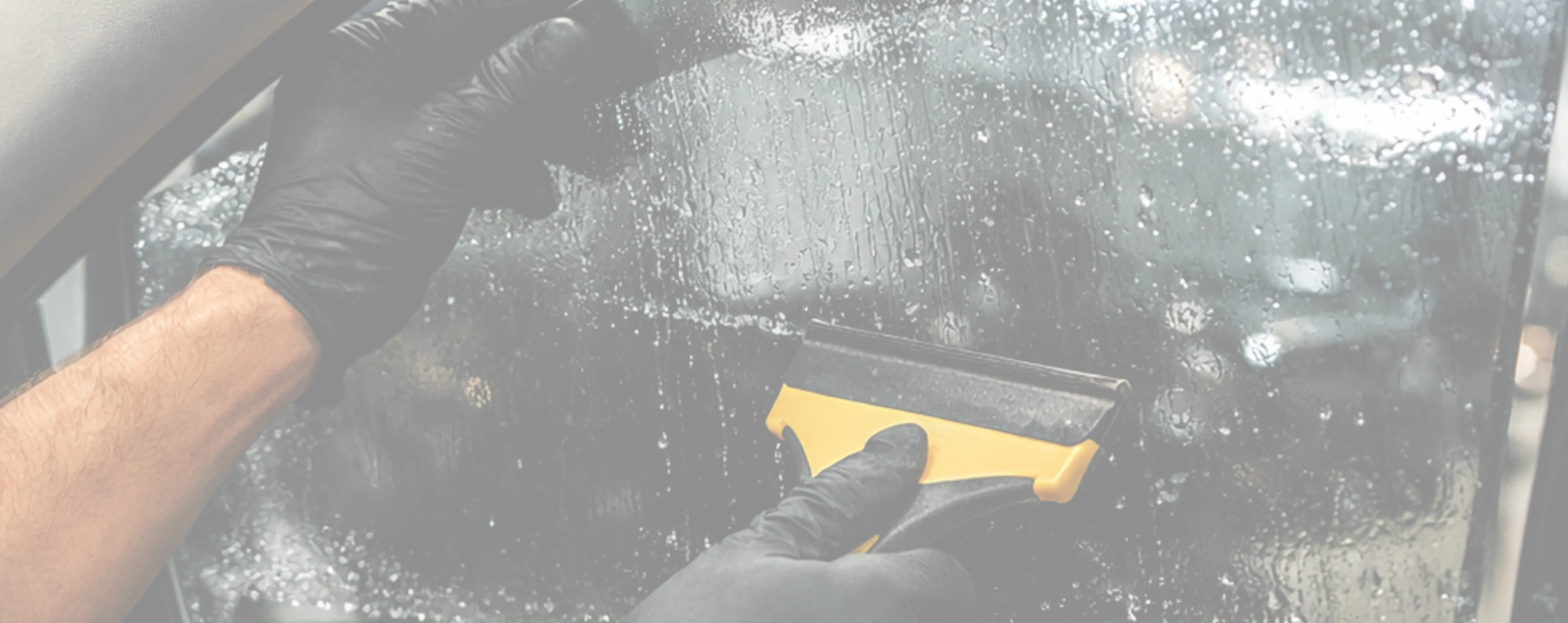
ClearView Glass & Tint provides professional automotive window tinting services designed for Arizona conditions and today’s vehicles. Our team uses high-quality films and precise installation techniques to help Gilbert drivers protect what matters most—comfort, technology, and long-term value.
Frequently Asked Questions Regarding Auto Window Tint and Modern Vehicle Technology
Tint can help by reducing the intensity of direct sunlight and lowering the overall cabin heat load that screens and the dash area endure. While no film can guarantee a screen will never fail, limiting repeated heat stress can support long-term durability—especially in Arizona parking conditions.
Yes. Modern vehicles often have larger glass areas that allow more solar energy into the cabin from multiple angles. Tint helps control that incoming heat and UV exposure, which is especially useful when your vehicle design naturally lets in more sunlight throughout the day.
Tint is typically applied to side and rear glass and should not interfere with ADAS cameras or sensors when installed correctly and in the appropriate locations. A professional installer can confirm which windows should be tinted based on your vehicle’s sensor placement and equipment.
It can. Many interior parts rely on adhesives and bonding materials that degrade faster under repeated heat cycles. By reducing heat buildup and UV exposure, tint can help slow the conditions that contribute to warping, loosening, or premature aging of interior trim.
Often, yes. Leased vehicles are typically newer and tech-heavy—exactly the type of interior that can show sun wear quickly. Tint helps keep the cabin in better condition, which can support a cleaner return inspection and help avoid excessive wear concerns, depending on your lease terms.
By Thomas McDonald
Latest Articles, Industry News & Expert Insights
Stay informed with updates, expert perspectives, and practical guidance on glass repair, replacement, and window tinting across automotive, residential, and commercial applications.