Between low-angle sunrise and sunset glare on I-10 and long stretches along Tangerine Road, Marana drivers get a double dose of heat and bright light almost year-round. If your cabin feels like an oven or your dash is starting to fade, car window tinting in Marana, AZ can make a measurable difference—cooler temps, less eye strain, and better protection for your interior. Start with a quick look at your window tint options in Marana, and when you’re out enjoying Marana’s outdoor activities, you won’t return to a superheated car.
Daily life here often means a mix of errands along local surface streets, school runs, and highway stretches toward Tucson or Casa Grande. Many of those routes line up directly with the sun at certain times of day, especially on east–west roads. That combination of angle, open sky, and reflective surroundings is exactly why so many Marana drivers notice their vehicles aging faster and feeling hotter than they expect. A thoughtful tint setup is one of the few upgrades that works for you every single time you get behind the wheel.
How Marana’s Sun and Commutes Affect Your Cabin
Extended sun exposure in the Santa Cruz Valley means steady UV and infrared (IR) energy soaking into seats, trim, and electronics. Over time, UVA contributes to fading and cracking, while IR heat drives up cabin temperatures and AC load. The result is discomfort, glare fatigue, and accelerated wear.
On long, open sections of I-10 or Tangerine Road, there’s often very little shade. Dark dashboards and seatbacks absorb that energy and slowly radiate it back into the cabin, so the car can feel hot even when you’re cruising at speed with the A/C on. If you park at trailheads, shopping centers, or work lots without covered spaces, the car spends hours essentially “baking” before you even return to it.
Interior materials are especially vulnerable in this environment. Leather and vinyl can dry out and lose their factory finish, fabric seats can fade unevenly where the sun hits hardest, and plastic trim pieces may begin to show hairline cracks or warping around vents and screens. Infotainment systems, gauge clusters, and glue behind the dash are all subjected to repeated heat cycles that shorten their ideal lifespan. Tinting doesn’t eliminate the sun, but it does dramatically cut down how much of that energy gets through the glass in the first place.
Cooler Rides: What IR-Blocking Films Actually Do
Quality ceramic films target the IR portion of the spectrum to reduce heat without forcing you into an overly dark look. That means you can keep daytime clarity and night visibility while still feeling a noticeable drop in cabin temps after parking in the sun.
Traditional dyed films mainly darken the glass, so they cut visible light but don’t always deliver serious heat reduction. Ceramic films are engineered differently: they’re designed to filter out a large portion of IR, which is what you actually feel as “heat” on your skin and your interior surfaces. You can think of it as smart shade—your windows still look clear enough to see through easily, but the harshest part of the sun’s energy is being pushed back.
The practical benefit is simple. After sitting in a Marana parking lot during the afternoon, a vehicle with IR-blocking ceramic tint typically feels more manageable when you first open the door. The steering wheel is less scorching, the seats are closer to ambient temperature, and your A/C doesn’t have to work as hard to pull the cabin back into a comfortable range. Over time, that reduced workload can translate into better fuel economy in gas vehicles and more predictable range for hybrids and EVs making regular Santa Cruz Valley commutes.
Choose the Right VLT for Marana (Comfort + Legal)
Your ideal visible light transmission (VLT) depends on where you park, how often you drive at night, and your sensitivity to glare. A professional installer can help you balance comfort, visibility, and compliance with Arizona rules so you get the look and performance you want—without headaches later.
If you spend a lot of time driving before sunrise or after dark, you’ll want to keep your front door windows in a lighter, legal range that preserves depth perception and side visibility. Drivers who mostly run errands mid-day and park in open lots may lean a bit darker in the rear section for extra shade and privacy. Parents often prioritize cooler rear seats for kids, while commuters care more about reducing eye strain and keeping the dashboard from turning into a mirror at sunset.
Because ceramic tint can provide strong IR rejection at a range of shades, you don’t have to max out darkness to see a real benefit. That flexibility lets you choose a VLT that feels safe and comfortable for your driving habits while still significantly cutting heat. A short conversation with a local installer who understands Marana’s sun angles and traffic patterns can help translate your daily routine into a dialed-in tint spec.
Quick Checklist: Your “Marana Tint” Setup
- Parking: Mostly open sun or shaded/carport?
- Commute direction: East/west routes like Tangerine or I-10 (strong sunrise/sunset glare)?
- Night driving: Prioritize clarity after dark—avoid going too dark.
- Passengers: Kids or pets who need cooler seats and less glare?
- Windshield strip: Consider a legal sun strip for extra glare control.
- Priorities: Heat reduction, privacy, or interior protection—rank them.
Walking through this checklist with your installer gives them the information they need to recommend specific shades and film types instead of a one-size-fits-all solution. Someone who parks in a garage at home but in a wide-open employer lot during the day may want a different configuration than a retiree who mostly drives local roads, or a family constantly shuttling between practices and games.
It also clarifies where your budget should go. If your top priority is beating the heat, it may make sense to invest in a higher-performance ceramic on all windows, even if you keep the shade relatively light. If privacy and appearance are higher on the list, you might prioritize slightly darker rear glass while still choosing a color-stable, non-fading film that will look good over the long term.
Why Professional Installation Matters
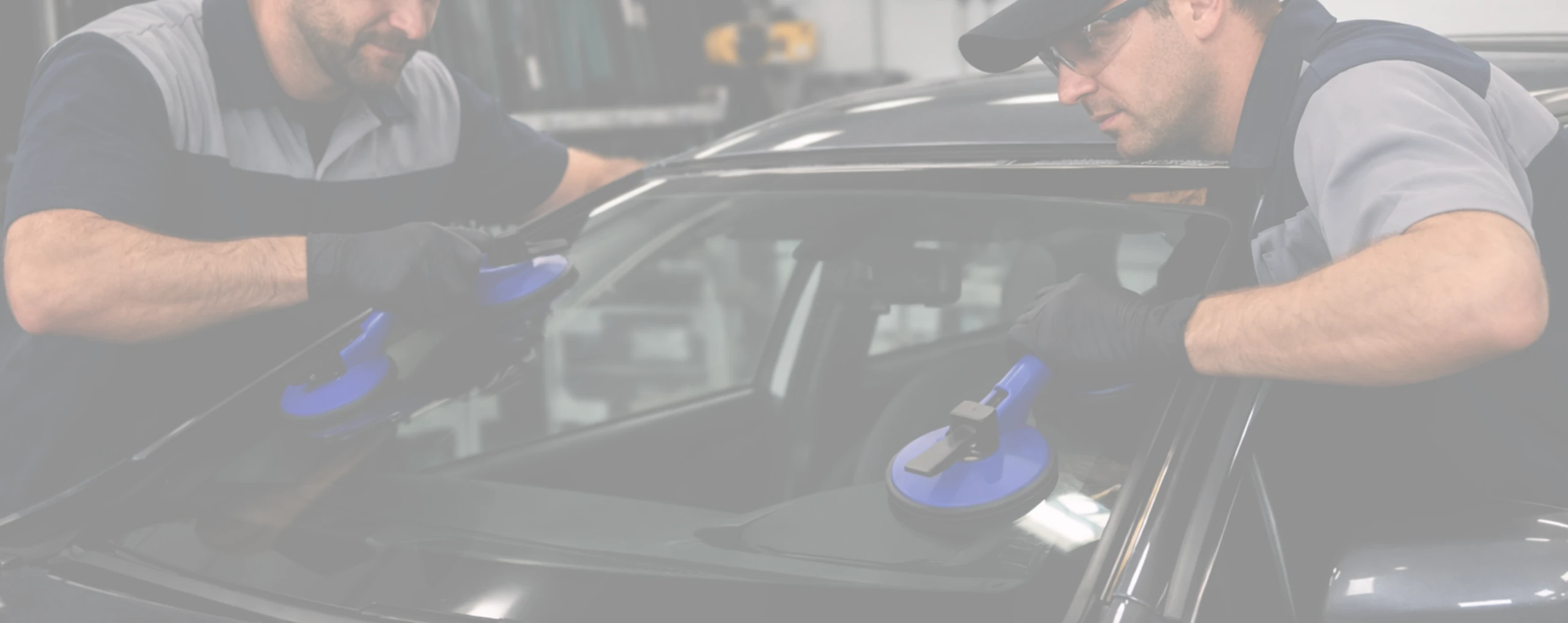
DIY kits often lead to bubbles, peeling, and mismatched shades. Certified installers use precision patterns and premium films, avoid contamination during install, and back the work with warranties—so your tint performs and looks great for years.
Arizona dust is unforgiving when it comes to tint. Any particles trapped under the film or introduced during installation can show up as bumps, lines, or cloudy patches once the film cures. Professional shops use controlled environments, proper prep, and cutting systems that match your exact window shapes, which dramatically reduces the chance of visible flaws.
There’s also a big difference in film quality. Professional-grade ceramics are built to resist color shift, bubbling, and peeling even under Marana’s intense combination of heat and UV. Many come with manufacturer-backed warranties that protect you if something fails prematurely. A clean install with a matched film family looks factory-correct, ages better, and avoids the patchwork appearance you sometimes see on vehicles with years of piecemeal tint work.
- Cleaner edges: Precise cuts around sensors, defroster lines, and trim pieces.
- Better curing: Clear instructions on how long to wait before rolling windows down.
- Consistent shade: No mismatched panels or odd color differences between doors and rear glass.
Everyday Benefits You’ll Actually Notice
Once your vehicle is tinted, the differences show up in small but constant ways. You may find yourself reaching for the A/C button less often on local runs, or noticing that afternoon drives home from work feel less draining on your eyes. Passengers in the back seat are less likely to complain about direct sun, and your cabin simply feels calmer and more controlled, even on bright days.
Over months and years, you’ll also see the long-term gains. Dash materials stay richer in color, stitching and leather hold up better, and plastics don’t develop that chalky, tired look as quickly. If you decide to sell or trade in the vehicle, a well-preserved interior can help it stand out in a crowded market—especially in a place like Marana where buyers know what the sun can do.
Book a Glare-Smart Tint in Marana
Ready for a cooler, clearer drive? Start with a quick quote for professional window tinting in Marana, then have it installed by the team you can trust. ClearView Glass & Tint uses premium ceramic films and expert techniques tailored to Arizona conditions.
Work with a shop that understands local roads like Tangerine, I-10, and the neighborhoods around Marana’s trails and parks. They can recommend a setup that respects Arizona’s tint laws, protects your interior, and still gives you the visibility you need for early-morning and late-evening drives.
With the right film on the glass, every part of your routine—from quick grocery runs to weekend trips to Marana’s outdoor activities—gets a little easier. You step into a cooler cabin, deal with less glare, and know your interior is better protected from the same sun that makes Southern Arizona such a great place to live.
Frequently Asked Questions Regarding Auto Window Tint in Marana, AZ
Open stretches of I-10 and Tangerine Road expose your cabin to constant IR and UV energy, which heats surfaces and radiates warmth back at you. Even with A/C running, untreated glass allows more heat to accumulate than most drivers realize.
Ceramic films block a large portion of IR heat without needing very dark shades. This keeps seats, dashboards, and steering wheels cooler and makes the cabin easier to manage after parking in the sun.
Yes—by reducing heat penetration, your A/C doesn’t need to run at full blast as often. This makes commutes more pleasant and can possibly improve fuel economy.
It depends on your routine and how much you drive at night. Lighter legal fronts preserve nighttime clarity, while slightly darker rears offer more shade and comfort for passengers during daytime heat.
You’ll see less fading, fewer cracks, and cooler cabin temperatures month after month. Over time, this preserves your vehicle’s value and makes every drive—from errands to trailhead runs—feel easier on your eyes and your interior.
Neutral ceramic films reduce windshield brightness and soften reflections that occur during low-angle sun. This improves depth perception and reduces eye fatigue during the most difficult driving hours.
Latest Articles, Industry News & Expert Insights
Stay informed with updates, expert perspectives, and practical guidance on glass repair, replacement, and window tinting across automotive, residential, and commercial applications.