You’re driving on Loop 101 and a rock kicks up from the truck in front of you. You hear the hit before you see it. By the time you pull over, there’s a chip the size of a dime sitting right in front of you on the windshield. Or maybe it’s worse — a crack running six inches from the passenger side toward the center of the glass.
The first question every Arizona driver asks at this point is the same one: can this be fixed, or do I need a whole new windshield?
The answer depends on a few specific factors, and getting it right matters more than most people realize. A repair that should have been a replacement leaves you with structurally compromised glass. A replacement that could have been a repair costs more time, more materials, and requires ADAS recalibration that a simple repair would have avoided entirely. Here’s how to know which one you actually need.
How Windshield Repair Works
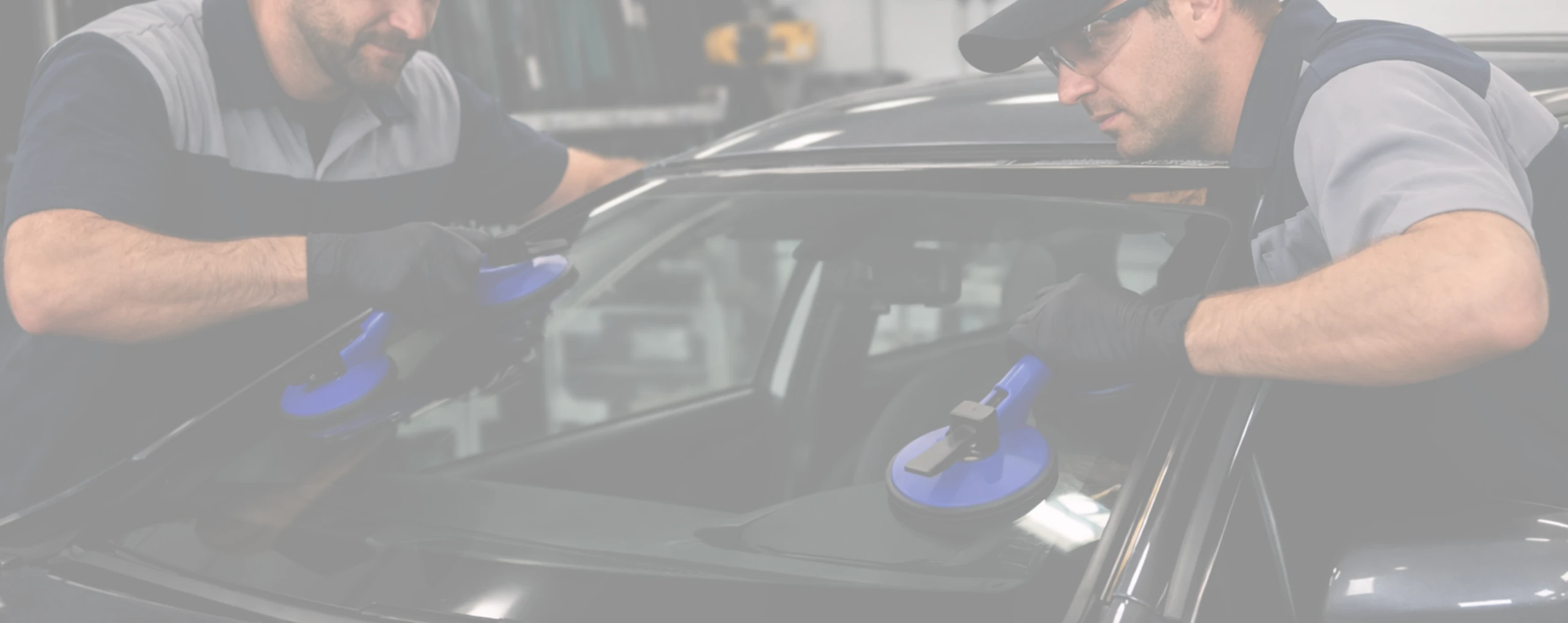
Windshield repair is a process where a technician injects a clear resin directly into the damaged area — the chip, star break, or short crack. The resin fills the void left by the impact, bonds to the surrounding glass, and is cured under UV light until it hardens. Once complete, the repair restores structural integrity to the damaged area and prevents the crack from spreading further.
A good repair is nearly invisible. The damaged spot won’t disappear entirely — you’ll still see a faint mark if you look for it — but the glass regains its strength, the damage stops propagating, and the original factory seal between the windshield and the vehicle frame remains intact. That last point matters more than most people think. Your factory windshield was bonded to the frame with urethane adhesive under controlled conditions at the manufacturing plant. Every time a windshield is removed and replaced, that original bond is gone forever. If a repair can preserve it, that’s the better outcome for the vehicle’s structural integrity.
Repairs also avoid the need for ADAS recalibration. Since the windshield isn’t removed, the cameras and sensors mounted to it stay in their factory-calibrated position. No recalibration appointment, no downtime, no risk of misalignment. For vehicles with Autopilot, Toyota Safety Sense, Honda Sensing, or any other camera-based driver assistance system, avoiding an unnecessary recalibration is a genuine advantage.
Most repairs take about 30 minutes and cost nothing out of pocket with comprehensive insurance in Arizona.
When Repair Is the Right Call
Not every chip or crack qualifies for repair. The industry standards that AGRSS-certified technicians follow set clear guidelines for what can and cannot be safely repaired:
The damage must be smaller than a quarter in diameter for chips and star breaks. Cracks must be shorter than about six inches, though some repair systems can handle slightly longer cracks depending on the location and pattern.
The damage cannot be in the driver’s direct line of sight. A repaired area, even a good one, creates a slight optical distortion that can affect visibility. If the chip is directly in front of the driver’s eyes, most technicians will recommend replacement rather than leaving a distortion in the primary viewing area.
The damage cannot be at the edge of the windshield. Edge cracks compromise the structural bond between the glass and the frame. Even if the crack itself is short, its location at the perimeter means the seal is affected and the glass may not perform correctly in a collision or rollover.
The damage cannot have been contaminated. Once dirt, moisture, or cleaning solution gets into the crack, the resin can’t bond properly to the glass. This is one of the biggest reasons not to wait. A chip that’s repairable on Monday morning may not be repairable by Friday because road grime worked its way into the fracture lines. If you get a chip, don’t touch it, don’t clean it, and call for a repair as soon as possible.
There can only be one point of impact. If the same rock strike created multiple cracks radiating in different directions (a complex break or combination break), the damage typically exceeds what a repair can address safely.
When You Need a Full Replacement
If the damage doesn’t meet the repair criteria above, you need a new windshield. But beyond the technical guidelines, there are situations where replacement is the clear answer even if the damage itself looks minor:
The crack has already spread. In Arizona, this happens fast. A small chip that might stay stable for weeks in a mild climate can spread across the full width of the windshield in a single afternoon when surface temperatures exceed 150°F. Once a crack starts propagating, repair is no longer an option regardless of where it started or how small it was originally. The structural integrity of the glass is compromised along the entire fracture line, and the only fix is a full replacement.
There are multiple damage points. Two or more separate chips on the same windshield — even if each one individually qualifies for repair — can indicate that the glass has been weakened beyond what spot repairs can address. Most technicians will evaluate the windshield as a whole rather than treating each chip in isolation.
Previous repairs have failed. If you’ve had a chip repaired before and the repair cracked or the resin separated, the glass around that area is compromised. A second repair attempt on the same spot rarely holds. Replacement is the correct path.
The damage affects the windshield’s structural zone. Your windshield provides up to 45% of your vehicle’s cabin structural integrity in a frontal collision and up to 60% in a rollover. It’s the backstop for your passenger-side airbag. If the damage is in an area that compromises any of these safety functions, replacement is the only responsible option — regardless of size.
Arizona Law Makes Either Option Easy
This is where Arizona drivers have an advantage that most of the country doesn’t. Whether you need a repair or a full replacement, the cost is almost certainly covered with no out-of-pocket expense.
Arizona Revised Statute §20-264 requires insurance companies offering comprehensive coverage to provide a zero-deductible option for auto glass — and the vast majority of Arizona policies include it by default. If you carry comprehensive coverage, your repair or replacement is fully covered. You pay nothing.
Arizona Revised Statute §20-263 adds a second layer of protection. It prohibits insurers from raising your premium as a result of a no-fault claim. A rock hitting your windshield on the freeway is not something you caused. Filing the claim — whether for a $50 repair or a $500 replacement — cannot legally affect your rates.
These two laws eliminate every financial reason to wait. There is no cost to you, no risk to your premium, and no downside to getting the damage addressed immediately. The only thing waiting does is give Arizona heat more time to turn a repairable chip into a crack that requires full replacement. For a deeper look at how these laws work, read our full breakdown of Arizona’s no-fault glass law.
What Happens If You Wait
This is the part most Arizona drivers underestimate. A windshield chip is not a cosmetic issue you can deal with later. It’s a structural weak point in a safety component that’s actively under stress every time you drive.
Arizona’s extreme temperatures create constant thermal cycling in your windshield. The glass heats up during the day, expanding unevenly around the impact point. It cools at night, contracting. Each cycle puts stress on the fracture lines radiating from the chip. In cooler climates, this process is slow enough that a chip can survive for months without spreading. In Phoenix, Tucson, and the surrounding areas, a chip can turn into a full crack in a matter of hours on a hot day.
Once the crack reaches about six inches, repair is off the table. Once it reaches the edge of the windshield, the structural bond between the glass and the frame is compromised. Once it crosses the driver’s line of sight, you’re potentially driving in violation of Arizona Revised Statute §28-957.01, which requires an adequate windshield for safe operation. Officers have discretion to cite drivers for windshield damage that impairs visibility, and fines range from $100 to $500 depending on the county.
The math is simple. A repair today takes 30 minutes, costs you nothing, and preserves your factory seal. A replacement next week takes two hours, requires ADAS recalibration, and means your vehicle gets a new adhesive bond instead of the factory original. Both are covered by insurance. But the repair is the better outcome for your vehicle if the damage qualifies. The only way to know is to get it assessed before Arizona heat makes the decision for you.
Get It Assessed Now
Clear View Glass & Tint handles both windshield repair and windshield replacement at our Phoenix and Tucson locations, with free mobile service throughout both metros. Our AGRSS-certified technicians assess the damage on-site and give you a straight answer about whether it can be repaired or needs replacement — no upselling, no unnecessary work. We verify your insurance coverage, file the claim, and handle the entire process. Qualifying replacement customers receive up to $350 cash back.
If you’ve got a chip or crack, don’t wait for Arizona heat to make the decision for you. Call or text our Phoenix shop at 480-656-0432 or our Tucson shop at 520-393-3930, or fill out the quote form on our website. We’ll get you assessed and scheduled — usually the same day.
Latest Articles, Industry News & Expert Insights
Stay informed with updates, expert perspectives, and practical guidance on glass repair, replacement, and window tinting across automotive, residential, and commercial applications.