Drexel Heights is the kind of place where a vehicle isn’t just “for getting around.” For a lot of local drivers, it’s a daily workhorse: school drop-offs, grocery runs, commuting into Tucson, multiple errands in one loop, and regular stop-and-go that turns quick trips into long stretches behind the wheel. When you drive a lot, you start to care less about gimmicks and more about what holds up. That’s why auto window tint matters here for a reason most blogs don’t talk about enough: long-term durability for high-mileage vehicles.
This article is written for the Drexel Heights driver who racks up miles and wants practical guidance that doesn’t feel copy-and-paste. We’ll cover what durability actually means in real life, how to choose film types with long-term stability in mind, and what a high-quality installation should look like when your vehicle gets used hard week after week. You’ll also see why some setups feel good at first but don’t age well—and how to avoid that mistake.
Why High-Mileage Driving Changes the Tint Conversation
A lot of tint content focuses on a single moment: stepping into a hot car, dealing with one bright afternoon, or wanting more privacy in a parking lot. Those points are valid, but for high-mileage drivers, the bigger issue is repetition. If you’re driving daily, you experience the same conditions over and over: the same sun angles at the same time, the same reflective pavement, the same cycle of parking, re-entering, and driving again. Over months and years, those small stressors add up.
In other words, high-mileage drivers don’t just feel “heat” or “glare.” They feel the cumulative effects:
eye fatigue from constant brightness changes, cabin swings that make the interior feel inconsistent, and gradual interior wear that becomes impossible to ignore because you’re sitting in it every single day. A smart auto window tint setup doesn’t just help on the worst day of the year—it helps reduce the daily wear-and-tear of regular driving.
What “Durability” Actually Means for Auto Window Tint
When people say they want tint that “lasts,” they usually mean they don’t want peeling edges or discoloration. That’s a start, but durability for a Drexel Heights daily driver is broader and more specific. A durable tint setup should deliver:
Stable appearance over time: the shade and finish should remain consistent, not blotchy or uneven months later.
Clean edge integrity: edges shouldn’t lift, fray, or look dirty because the vehicle gets cleaned often.
Optical clarity: the view out of the glass should stay crisp, especially at night and in rain.
Adhesion that holds up to real use: constant temperature cycling, dust, and frequent contact shouldn’t compromise the film.
Performance that still feels meaningful: the comfort and clarity benefit should still be noticeable after a long season of driving.
That’s why “durable tint” is about the combination of film quality and installation quality. High-mileage driving simply exposes weaknesses faster. If something is going to look tired, it will show sooner when the vehicle is used daily.
Why Drexel Heights Drivers Notice Tint Performance More Than Most
In a high-use vehicle, you notice the small things constantly. A weekend driver may not care that their cabin swings from comfortable to uncomfortable throughout the day. But a high-mileage driver will notice when their interior feels inconsistent, when glare makes certain intersections more annoying than they should be, or when their cabin “recovers” slowly after parking.
Good auto window tint helps in the areas that matter most to daily drivers:
it softens harsh light transitions that contribute to eye strain, it reduces the intensity of cabin swings so your interior feels more predictable, and it helps slow the “visual aging” of the surfaces you look at every day—dash areas, trim lines, and seat materials that tend to show wear early in high-use vehicles.
Film Types: Choosing What Ages Well (Not What Sells Fast)
Not all films are designed for the same goal. If you drive frequently, you want a film category that focuses on stability and long-term performance rather than a quick cosmetic change. Here’s the practical way to think about the options:
Dyed film: typically chosen for basic privacy and a darker look. It can be a budget-friendly option, but for high-mileage drivers, the question is whether it stays “clean” and consistent enough over time to feel like a true long-term solution.
Carbon film: a common step-up for drivers who want a more stable look over time and better overall performance than basic dyed film. It often appeals to daily drivers who want a meaningful improvement without going all the way to the top tier.
Ceramic film: often the best fit for high-mileage drivers because it aims for strong comfort and clarity without needing an overly dark shade to feel effective. This matters for people who drive early, late, and everywhere in between and want the benefits without compromising visibility.
The high-mileage mindset is simple: if you’re going to live in your vehicle, you want the setup that stays consistent. Ceramic is usually the “set it once and enjoy it for years” option for drivers who care about long-term stability and everyday usability.
-Installation Quality: The “Durability Multiplier” Most People Ignore
You can buy a good film and still end up with an average result if the install is rushed. And daily drivers spot installation shortcuts quickly: edges that collect grime, minor distortions that become distracting on commutes, or small imperfections that annoy you because you’re staring through the same glass every day.
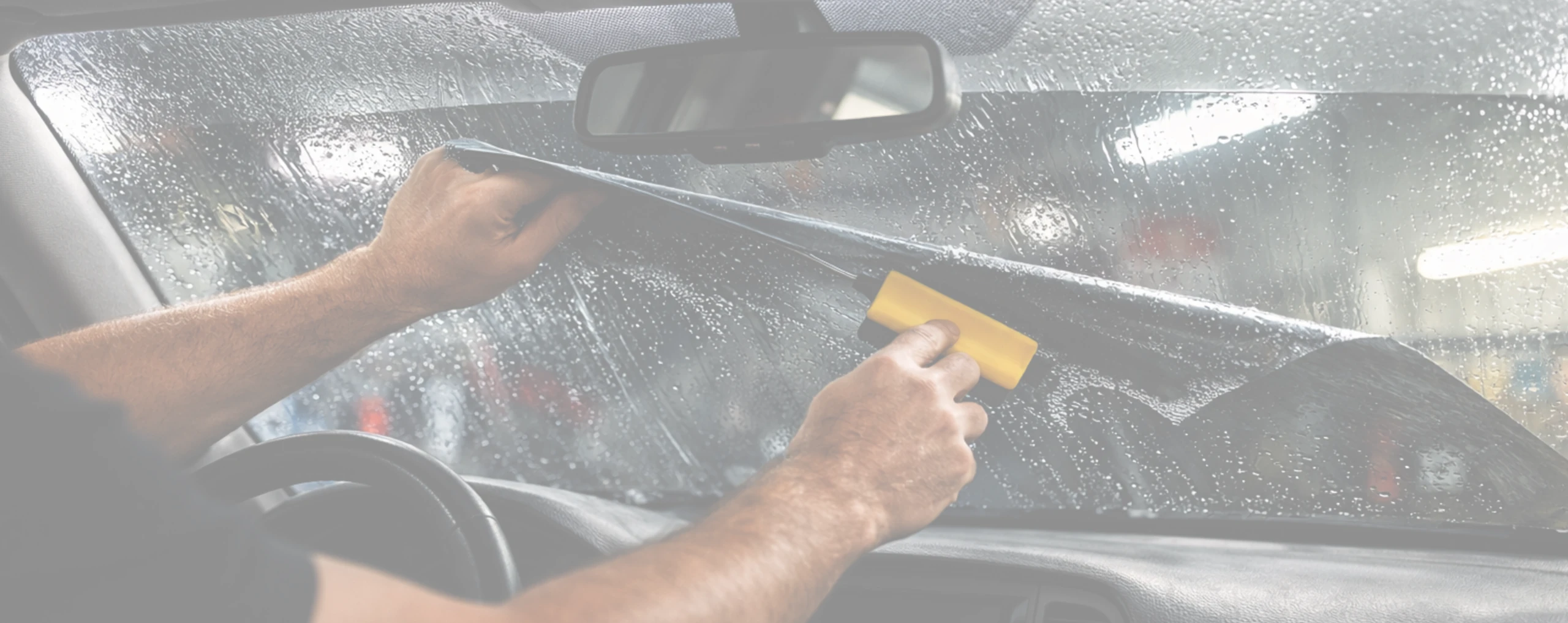
A high-quality installation should involve thorough glass prep, careful shaping, clean edge work, and controlled handling that prevents contamination. That’s what helps avoid the issues your original draft referenced: bubbling, gaps, peeling, and uneven finish. In a dry, dusty environment, good prep matters because dust is the enemy of clean adhesion—and daily-use vehicles see dust constantly.
Care Tips That Actually Fit High-Mileage Drivers
High-mileage drivers clean their glass more often because they notice smudges, dust, and build-up fast. The goal isn’t to baby the film—it’s to protect clarity and edges long-term with a routine that makes sense.
Let it cure fully: after installation, give the film time to set before rolling windows down or cleaning the inside glass. Curing is a big part of edge durability.
Use ammonia-free cleaner: it’s a simple choice that helps preserve the film’s finish over time. Pair it with a microfiber towel so you’re not grinding dust into the surface.
Be gentle near edges: avoid scraping or aggressive pressure around film edges where lifting can start.
Clean lightly, more often: it’s better than letting grime build up and then scrubbing hard, which can shorten the “fresh look” lifespan of the tint.
If you enjoy cars that are kept in clean condition long-term, Tucson has a fun destination that reinforces the point: the Rolling Thru Time Auto Museum.
It’s the kind of place that reminds you how much interior and finish condition affects the way a vehicle feels—especially when it has been protected instead of baked and worn down over time.
Daily drivers aren’t trying to build museum pieces, but the principle is the same: the vehicles that still look good years later usually benefited from smart preventative choices. Auto window tint is one of the simplest upgrades that helps reduce the conditions that accelerate interior “aging,” especially in a vehicle that is used constantly.
When Ceramic Auto Window Tint Makes the Most Sense in Drexel Heights
Ceramic tint isn’t for everyone, but it becomes a logical choice when your vehicle is used heavily and you want long-term consistency. It tends to make the most sense when:
You drive daily and want predictable comfort instead of dramatic cabin swings between stops.
You care about clear visibility and don’t want to rely on “super dark” tint to feel benefits.
You want a long-term solution that stays stable as the vehicle racks up mileage.
You want your vehicle to feel the same year-round rather than chasing comfort only on the hottest days.
For high-mileage drivers, it’s less about “premium” and more about practicality. When you’re behind the wheel constantly, the upgrade that stays consistent is often the upgrade you’re happiest you paid for.
Ready to Upgrade Your Daily Drive in Drexel Heights?
If you want auto window tint that holds up under real-world mileage—frequent stops, constant use, regular cleaning, and long-term exposure—the smartest approach is choosing a setup built around durability and clarity, not quick trends. With the right film and professional installation, your vehicle can feel more stable day-to-day and age more slowly over time.
When you’re ready to get it done right, trust ClearView Glass & Tint for professional installation and a recommendation tailored to how you actually drive. You’ll get a clean, legal setup designed for long-term comfort, clarity, and daily-driver durability.
Frequently Asked Questions Related to Auto Window Tint and Its Benefits Towards Durability
It can if you use harsh chemicals or abrasive tools. Frequent gentle cleaning with ammonia-free products and microfiber is better than letting grime build up and then scrubbing aggressively.
Durability is mainly about long-term clarity, stable appearance (no blotchy look), strong edge integrity, and adhesion that holds up through constant heat/cool cycles and frequent cleaning.
Rushed prep. If glass isn’t properly cleaned and decontaminated, you’re more likely to get early bubbling, edge lift, or small imperfections that worsen with constant use.
Ask about film optical clarity, look through sample glass outdoors, and confirm the installer avoids low-quality film that can create haze or distortion—especially on curved glass.
By Thomas McDonald
Latest Articles, Industry News & Expert Insights
Stay informed with updates, expert perspectives, and practical guidance on glass repair, replacement, and window tinting across automotive, residential, and commercial applications.