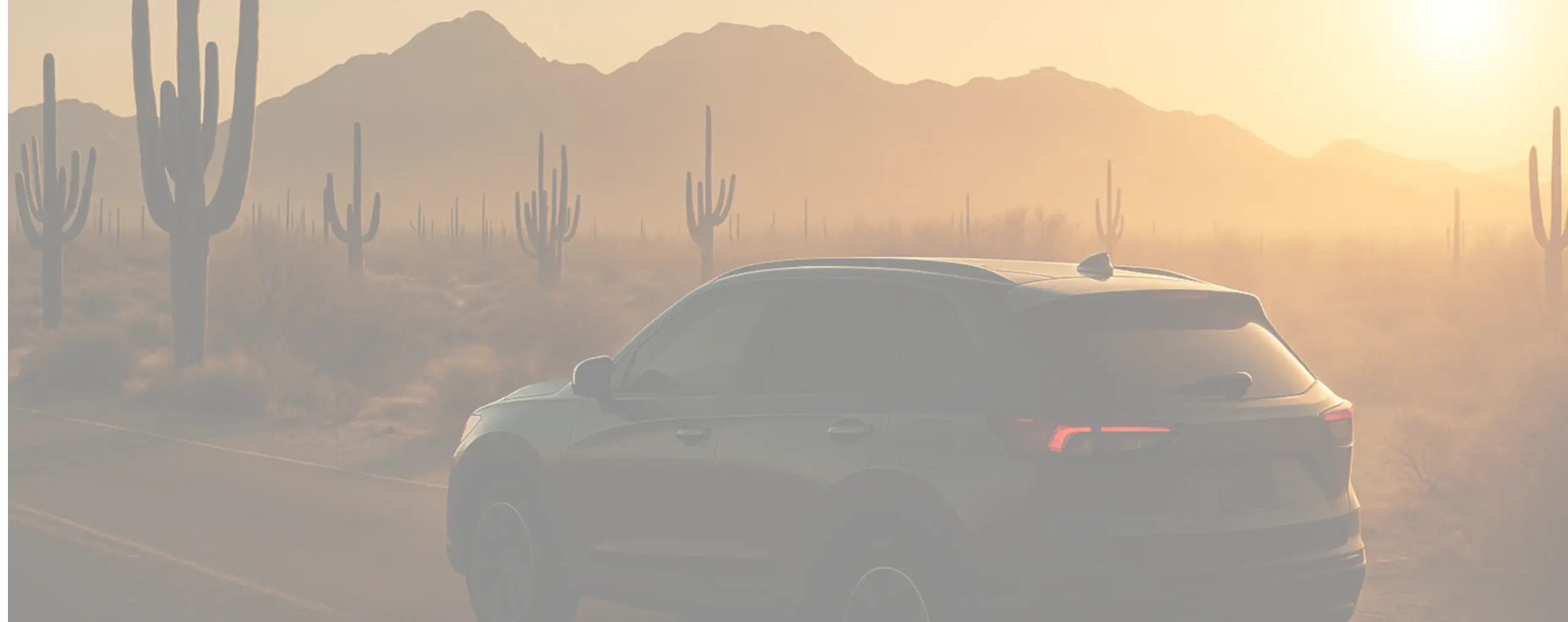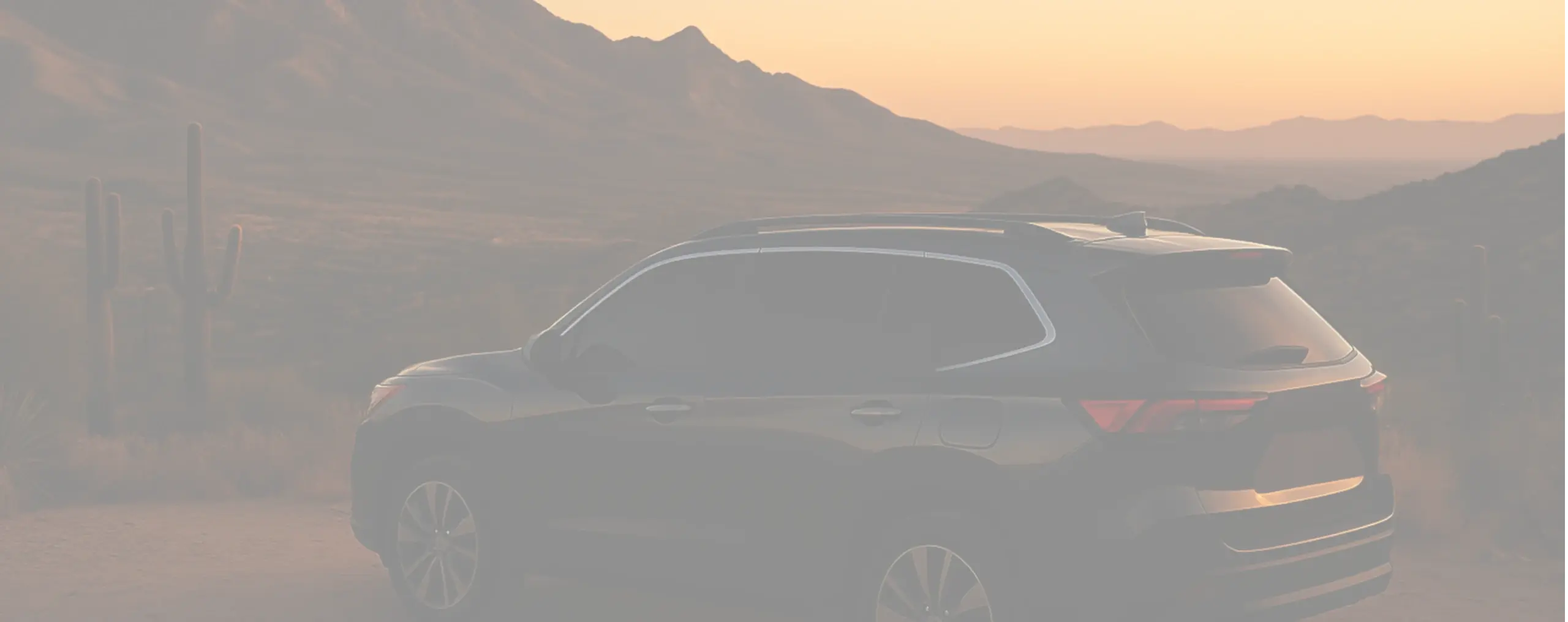
Nestled in the foothills of the Sonoran Desert, Carefree, AZ is known for its clean air, elevated vantage points, and nearly endless sunshine. Unlike lower-elevation cities in the Phoenix metro area, Carefree experiences stronger UV exposure and a distinct high-desert microclimate that affects how vehicles heat up and age over time. Drivers in Carefree regularly face more intense sunlight, quicker interior heat buildup, and accelerated wear on dashboards, leather, electronics, and trim—all because of elevation, atmospheric clarity, and the reflective desert environment. These factors make window tinting more than a comfort upgrade; it becomes an essential part of owning a vehicle in Carefree.
What Makes Carefree’s Sun Different?
Carefree sits nearly 1,500 feet higher than Phoenix, and that difference greatly affects UV intensity. Higher elevations have thinner air, which means there is less atmosphere to filter ultraviolet radiation. This results in stronger UV exposure, even when temperatures in Carefree feel mild or the breezes feel cool. Sunlight at higher elevation delivers a sharper, more direct form of solar energy that penetrates vehicle glass more aggressively and causes interiors to fade or deteriorate faster than they would in lower parts of the Valley.
This is why many Carefree residents notice that leather seats dry out more quickly, dashboards discolor sooner, and steering wheels feel hotter even during spring and fall. The intensity of Carefree’s sun is not just a matter of hot temperatures—it’s a result of elevation-driven UV power that affects vehicles year-round.
Microclimate Heat Load: Why Cars Warm Faster in Carefree
Beyond elevation, Carefree’s high-desert microclimate contributes to faster and more extreme heat buildup inside parked vehicles. Dry air accelerates heat absorption, allowing sunlight to heat cabin surfaces more efficiently than in humid climates. Desert landscaping—light-colored soil, natural stone, and reflective terrain—radiates heat upward toward the vehicle, intensifying the warming effect. Even on days with moderate temperatures, the interior of a car in Carefree can reach uncomfortable levels in just minutes.
Homes and businesses in Carefree often feature wide-open driveways and minimal shade, meaning many vehicles sit exposed for long periods. Without window tint, cabin materials endure repeated cycles of intense heating and cooling, which weakens adhesives, stiffens stitching, and accelerates overall interior aging.
How Sunlight Interacts With Vehicle Glass at Higher Elevation
Vehicle glass is not designed for the type of solar conditions found in Carefree. At higher elevation, sunlight contains more UVA rays—the kind responsible for deep material fading—and stronger infrared radiation (IR), which is the primary cause of cabin heat. These wavelengths penetrate untreated vehicle glass easily. That’s why drivers in Carefree often experience hot surfaces, rapid heat soak, and long-term deterioration of interior components, even if they avoid parking directly in the sun.
Factory glass blocks only a small portion of UV radiation and provides almost no infrared rejection. This is why interiors continue to age quickly and temperatures rise sharply, despite the presence of tinted-looking factory windows on many newer vehicles.
Window Tint as a Thermal Management System
Instead of viewing tint as simply an aesthetic choice or a way to reduce glare, many Carefree residents now see professional tinting as a form of thermal management. Modern ceramic window tint is engineered to reduce the specific wavelengths of light that cause heat buildup and material degradation, making it a functional solution rooted in science rather than style.
Ceramic tint filters out high-intensity infrared radiation, slows the rate at which surfaces heat up, and prevents UVA and UVB rays from damaging interior materials. As a result, cabin components are subjected to less thermal stress throughout the day, and drivers experience a more stable and comfortable interior environment—even in parking lots without shade.
Cooling Off After Desert Adventures
Carefree is known for its outdoor recreation opportunities. Just minutes from town, the Spur Cross Ranch Conservation Area offers rugged hiking trails, scenic views, and peaceful desert terrain. However, after finishing a long hike or photography session, stepping into a superheated vehicle can be both uncomfortable and unsafe. Because heat accumulates faster at higher elevations, vehicles in Carefree warm more quickly and reach higher temperatures than many drivers expect.
Window tint slows this process dramatically. It keeps interior surfaces cooler, reduces radiant heat on seats and dashboards, and shortens the amount of time needed for the air conditioning to restore a comfortable cabin. This makes the drive home after an outdoor adventure more enjoyable and reduces wear on the vehicle’s cooling system.
Myths About Sun Exposure in Carefree
A common misconception among new residents is that Carefree’s cooler breezes and slightly lower temperatures mean vehicles are less exposed to intense heat. In reality, the dry air and elevation create conditions where heat builds faster because there is less moisture in the atmosphere to absorb or disperse solar energy. Another myth is that seasonal changes reduce UV risk; however, Carefree maintains elevated UV levels year-round, even during winter months. Shade also provides less protection than most people assume, because sunlight reflecting off rocks, walls, soil, and landscaping still finds its way into vehicle windows. These factors reinforce why window tinting is not simply optional—it’s a practical necessity for local drivers.
How Carefree’s Environment Affects Different Vehicle Components
Carefree’s climate impacts vehicles differently depending on the materials used inside. Leather surfaces absorb heat quickly and lose moisture faster, leading to stiffening and cracks. Synthetic materials can warp or become brittle under repeated heat cycles. Modern vehicles with touchscreens and sensitive electronics face additional challenges; excessive heat weakens circuits, distorts displays, and accelerates internal component aging. Window tint reduces the thermal stress placed on all of these components by limiting exposure to the wavelengths most responsible for heat buildup and material degradation.
Real-World Scenarios Where Tint Makes a Difference
Carefree residents often experience daily conditions that make window tint incredibly useful:
- Midday errands: Even brief trips can leave the cabin uncomfortably hot due to intense sunlight and rapid heat absorption.
- Driveway parking: Homes that use open desert landscaping often reflect additional heat toward the vehicle.
- Outdoor dining: Vehicles warm significantly while parked during lunch or social gatherings.
- Short scenic stops: Even quick photo breaks can cause surprising heat gain inside an untreated vehicle.
Professional tinting helps manage these scenarios by moderating interior temperature changes and reducing exposure to harmful light.
Style and Comfort Aligned With Carefree’s Aesthetic
Carefree is known for its artistic energy, natural beauty, and refined architectural style. Many residents prefer vehicles that complement this environment. Window tint enhances the sleekness of cars, SUVs, and luxury vehicles while adding functional benefits such as reduced glare and increased comfort. In Carefree, tinting blends practicality with aesthetics, offering both immediate and long-term value.
Upgrade Your Vehicle with Premium Tint
As Carefree continues to attract outdoor enthusiasts, artists, retirees, and commuters alike, protecting vehicles from the region’s unique environmental conditions becomes increasingly important. For drivers who want lasting comfort and durability, professional tinting offers a powerful, science-backed solution.
The team at ClearView Glass & Tint provides expert installation and premium ceramic films designed to withstand Carefree’s elevated UV exposure and rapid heat buildup. Experience cooler drives, better interior protection, and long-lasting performance with professional window tinting tailored to your lifestyle.
Frequently Asked Questions Regarding Carefree Elevation and Auto Window Tint
Yes. Carefree sits at a higher elevation than much of the Phoenix metro area, which means there’s less atmosphere to filter UV rays. That elevation difference leads to stronger UV intensity and faster interior fading and heat buildup in vehicles.
Quality auto window tint blocks a large portion of UV and infrared light, which are the main culprits behind fading, cracking, and overheating. In Carefree’s high-elevation sun, tint reduces thermal stress on leather, plastics, stitching, and electronics.
Definitely. While temperatures may feel more comfortable in winter, UV levels remain high because of elevation and clear skies. Tint continues to protect your interior from UV damage and helps keep the cabin from heating as quickly on sunny days year-round.
Ceramic or other high-performance films are typically best for Carefree. They offer strong heat and UV rejection without making windows overly dark, and they maintain clear visibility for driving. A professional installer can recommend the ideal film based on your vehicle, parking habits, and comfort preferences.
Shade and sunshades help, but they don’t fully solve the problem. Reflected light from rock, soil, and nearby surfaces can still enter the cabin, and factory glass doesn’t block much heat. Tint adds a consistent, always-on layer of protection, whether you’re in direct sun, partial shade, or moving between stops.
By Thomas McDonald
Latest Articles, Industry News & Expert Insights
Stay informed with updates, expert perspectives, and practical guidance on glass repair, replacement, and window tinting across automotive, residential, and commercial applications.