Phoenix drivers often notice paint damage appearing faster than expected—chips on the hood, scuffs along the lower doors, or wear that seems out of proportion to a vehicle’s age. This isn’t bad luck, and it’s not limited to aggressive driving. Phoenix has a unique combination of road conditions, construction activity, heat, and debris that concentrates wear on specific areas of a vehicle. Understanding where that damage actually occurs is the first step toward protecting your paint intelligently rather than reacting after the fact.
Paint Protection Film (PPF) is most effective when it’s applied strategically. Instead of treating it as an “all or nothing” upgrade, it makes far more sense to focus on the parts of the vehicle that take the most abuse in real-world Phoenix driving. This article breaks down those high-impact zones, explains why they’re vulnerable, and shows how targeted protection fits into a practical ownership strategy.
Why Phoenix driving conditions are especially hard on vehicle paint
Phoenix roads experience constant change. Seasonal heat expansion, frequent resurfacing, and ongoing construction all contribute to loose aggregate and debris on roadways. Unlike regions where winter damage is the main concern, Phoenix vehicles face year-round exposure to dust, gravel, and small fragments that get kicked up at highway speeds. Add in long commute distances and heavy freeway use, and paint wear becomes a predictable outcome rather than an exception.
Arizona Department of Transportation projects frequently involve milling, repaving, and lane shifts that temporarily increase debris on the road surface. These conditions are part of everyday driving across the Valley, not isolated events. When debris is present, the airflow around a moving vehicle naturally directs it toward certain areas. That’s why paint damage tends to cluster instead of spreading evenly across the car.
The front bumper and fascia: the primary impact zone
The front bumper takes the first hit—literally. At highway speeds, even small stones become high-energy impacts. The shape of modern front fascias, with wide openings and contoured surfaces, actually increases exposure by channeling debris upward and inward. Over time, this results in clusters of chips, pitting, and surface wear that can dull the appearance of the entire vehicle.
Phoenix freeways amplify this issue. Long stretches of open highway combined with frequent construction zones mean vehicles are exposed to more airborne debris for longer durations. Once paint chips begin to form, surrounding areas become more vulnerable as the clear coat barrier is compromised. This is why front-end damage often accelerates rather than staying isolated.
Hood leading edges: where damage starts quietly
The leading edge of the hood is one of the most commonly damaged areas, yet it’s often overlooked until the damage becomes obvious. This zone sits directly in the path of debris thrown upward by other vehicles. Even daily commuting at moderate speeds is enough to cause gradual wear.
Because the hood is a large, flat surface, early damage can be subtle—small chips that don’t immediately draw attention. Over time, those chips multiply and spread, creating a speckled appearance that’s difficult to correct without repainting. In Phoenix, where light-colored dust and intense sunlight make imperfections more visible, hood damage tends to stand out sooner than expected.
Side mirrors: small parts with disproportionate exposure
Side mirrors are positioned directly in the airflow along the sides of the vehicle, making them especially vulnerable to impact. They sit just outside the body line, catching debris that gets pushed outward by tires and turbulence. Despite their size, mirrors often show damage earlier than larger panels.
This matters because mirror caps are frequently painted to match the vehicle, and replacing or refinishing them can be surprisingly expensive. In Phoenix traffic, where lane changes and freeway merging are constant, mirrors are repeatedly exposed to debris thrown from adjacent lanes.
Rocker panels and lower doors: the sandblasting effect
Rocker panels and lower door sections experience a different kind of abuse. Instead of high-speed frontal impacts, these areas are subjected to continuous abrasion. Dust, sand, and small stones are pulled along the side of the vehicle by airflow, effectively “sandblasting” the lower paint over time.
Phoenix’s dry environment makes this worse. Fine dust accumulates easily and is constantly reintroduced onto road surfaces. When vehicles travel at speed, that dust becomes airborne and scours the lower body panels. This is why many Phoenix vehicles show fading, dullness, or pitting along the lower edges long before the upper panels show similar wear.
Rear bumper ledges and trunk loading zones
The rear bumper may not take direct impact from road debris as often as the front, but it sees frequent contact from daily use. Loading groceries, luggage, sports equipment, and strollers introduces repeated friction that wears down paint over time. In Phoenix, where outdoor activities and road trips are common year-round, this type of wear accumulates quickly.
Heat also plays a role. Hot paint surfaces are more susceptible to micro-scratching and abrasion. When combined with repeated contact, rear bumper ledges can lose their finish faster than many owners expect.
Door edges and handles: overlooked but vulnerable
Door edges and handle cups are often ignored until damage is already visible. In tight parking lots, door edges are exposed to curbs, walls, and adjacent vehicles. Handle cups experience repeated contact from fingernails, rings, and keys. While each instance of contact may seem minor, the cumulative effect is noticeable.
Phoenix’s bright sunlight makes these imperfections easier to spot, especially on darker paint colors. What starts as faint scratching can quickly become an eyesore that detracts from the overall appearance of the vehicle.
Why modern vehicles show paint damage sooner
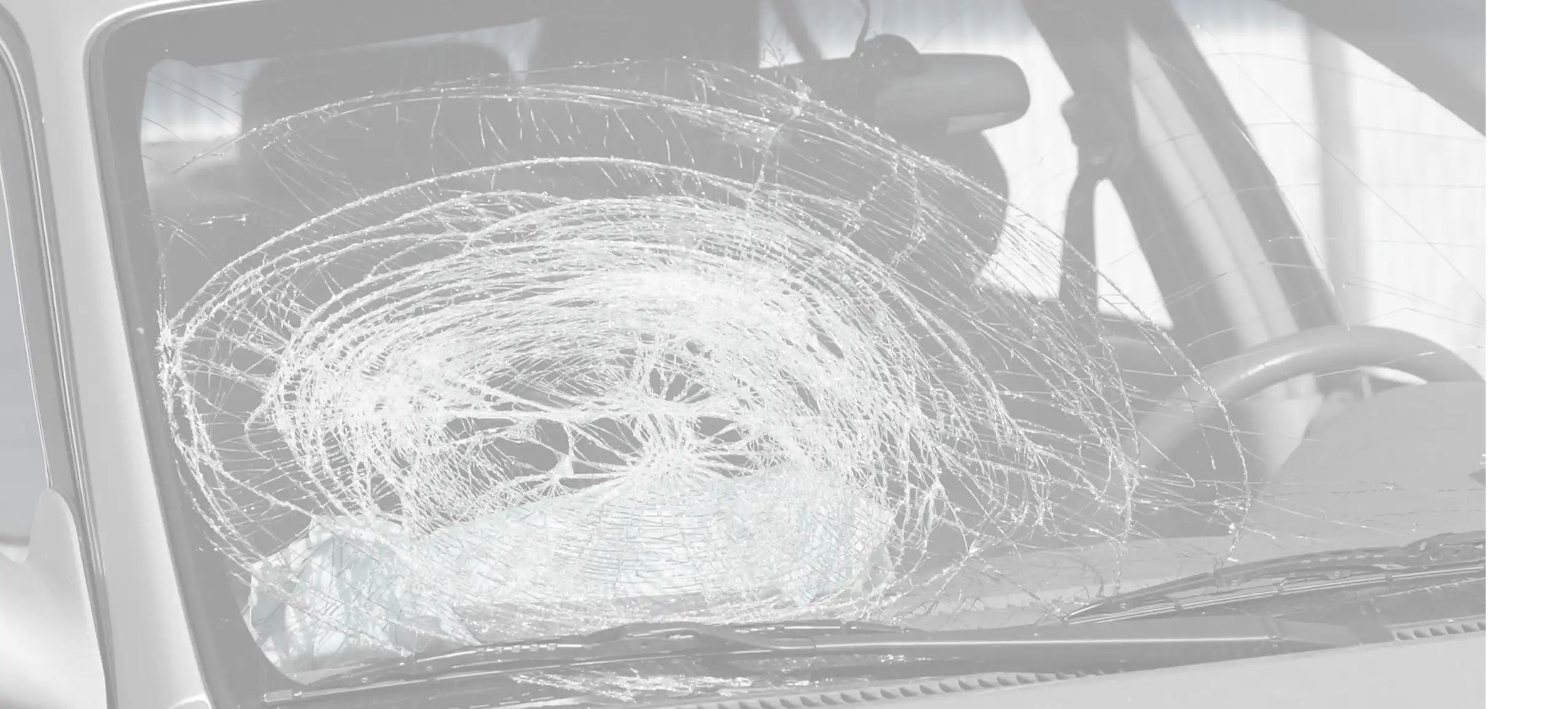
It’s also important to remember that paint damage from debris rarely happens in isolation. The same rocks and aggregate that chip paint on the front bumper and hood often strike the windshield at highway speeds. Over time, pitting, micro-cracks, and distortion can develop in the glass, increasing glare and reducing visual clarity. In cases where damage is already present, addressing it with a proper windshield replacement helps restore optical performance before focusing on long-term exterior protection like Paint Protection Film.
Many drivers are surprised at how quickly paint damage appears on newer vehicles compared to older ones. Modern automotive paint systems are designed to meet environmental regulations, which often results in thinner clear coats. While these finishes look excellent when new, they offer less material to absorb repeated impacts.
In Phoenix conditions, thinner paint combined with constant debris exposure accelerates visible wear. This doesn’t mean modern vehicles are poorly made—it means protection strategies need to adapt to current materials and real-world conditions.
How Paint Protection Film works as a targeted solution
Paint Protection Film is most effective when applied where damage actually occurs. Rather than coating the entire vehicle unnecessarily, targeted PPF coverage focuses on high-impact zones: front bumpers, hood edges, mirrors, rocker panels, and other vulnerable areas. This approach aligns protection with real-world wear patterns.
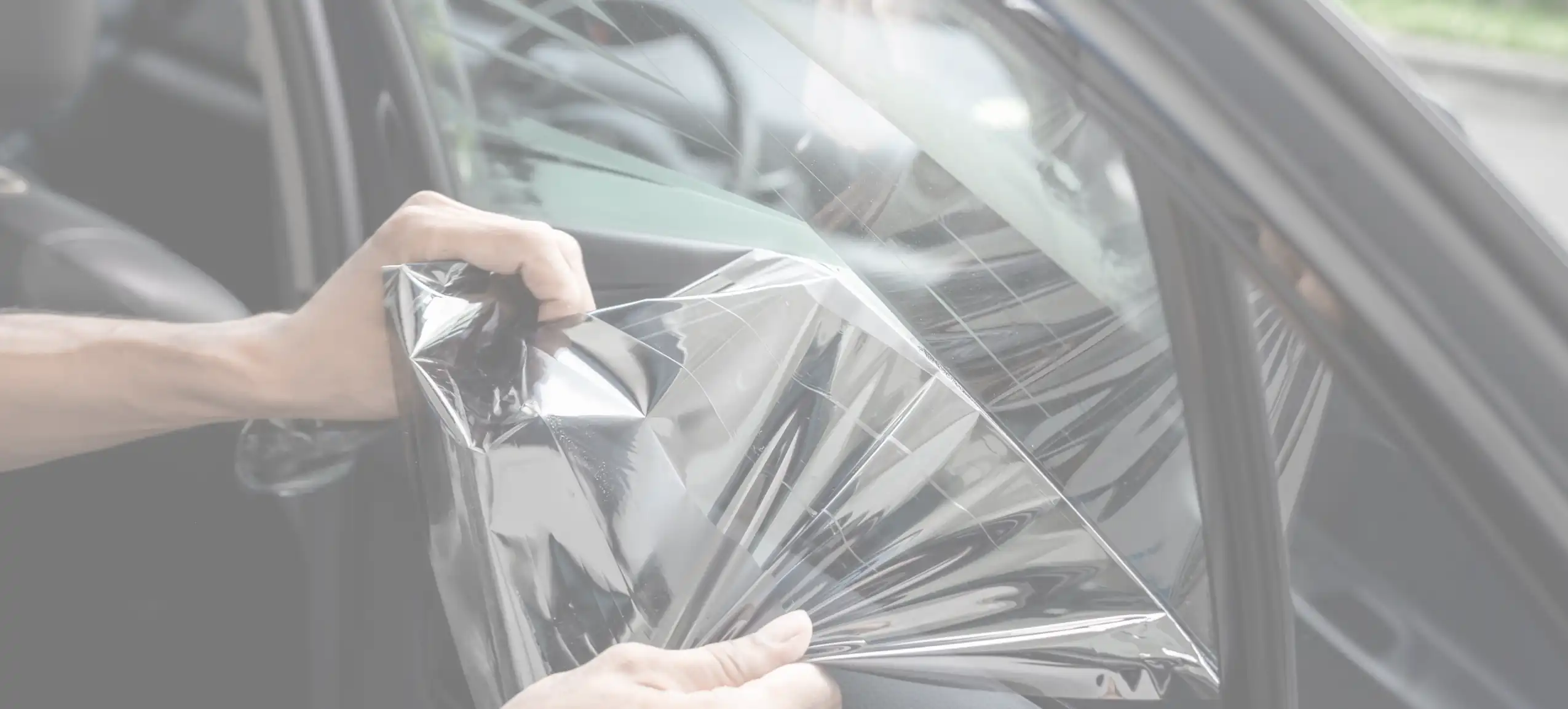
PPF acts as a sacrificial barrier, absorbing impacts and abrasion that would otherwise damage the paint. When installed professionally, it preserves the original finish underneath without altering the appearance of the vehicle. In Phoenix driving conditions, this targeted strategy offers meaningful protection without excess.
Why timing matters with PPF decisions
Many drivers wait until they see damage before considering protection, but by then the paint has already been compromised. PPF delivers the most value when applied early—before chips and abrasion accumulate. In Phoenix, where damage begins quietly and builds over time, early protection can preserve both appearance and resale value.
This doesn’t mean PPF is only for brand-new vehicles. Even lightly used cars can benefit from targeted protection once high-risk areas are identified and corrected. The key is aligning the solution with the vehicle’s actual condition and usage patterns.
Professional assessment makes the difference
Not every vehicle needs the same coverage. Driving habits, commute length, road exposure, and parking conditions all influence where damage is most likely to occur. A professional installer evaluates these factors to recommend coverage that makes sense—not a one-size-fits-all package.
Experience matters in Phoenix, where environmental factors play a major role in paint wear. Understanding local road realities allows installers to prioritize protection where it will deliver the most benefit.
A smarter way to think about paint protection
Paint damage in Phoenix is not random—it follows predictable patterns shaped by road conditions and vehicle design. Once you understand which parts of your car take the most abuse, protection decisions become far more strategic. Instead of reacting to damage, you can prevent it where it’s most likely to happen.
For Phoenix drivers who want to preserve their vehicle’s appearance long-term, targeted Paint Protection Film is one of the most practical tools available. The key is applying it thoughtfully, based on real-world exposure rather than assumptions.
Final thoughts
If you’re considering Paint Protection Film and want guidance tailored to Phoenix driving conditions, working with experienced professionals is essential. For expert PPF installation and vehicle protection solutions designed for Arizona roads, visit ClearView Glass & Tint.
Frequently Asked Questions About Paint Protection Film in Phoenix, AZ
Because road debris follows airflow patterns around a moving vehicle. In Phoenix driving conditions, debris is funneled toward specific high-impact zones rather than dispersing evenly across painted surfaces.
Front bumpers sit lowest and forward in the airflow, making them the first contact point for gravel, loose aggregate, and construction debris commonly found on Valley roadways.
Often, yes. Daily exposure to Phoenix traffic, debris, and parking environments creates cumulative wear that shows up faster than on vehicles driven occasionally.
Modern automotive paint systems are often thinner due to environmental regulations, which means they offer less margin before visible damage appears under harsh driving conditions.
Because damage patterns are predictable. Protecting high-impact zones like front bumpers, hood edges, mirrors, and rocker panels addresses the majority of real-world wear without unnecessary coverage.
By Thomas McDonald
Latest Articles, Industry News & Expert Insights
Stay informed with updates, expert perspectives, and practical guidance on glass repair, replacement, and window tinting across automotive, residential, and commercial applications.