In Phoenix, the sun is not a seasonal inconvenience—it is a constant environmental factor that drivers live with every single day. While many people associate window tinting with surviving extreme summer heat, that mindset overlooks a more important reality: the long-term, cumulative effects of sunlight exposure inside your vehicle don’t stop when temperatures cool down. In fact, Phoenix drivers experience intense UV exposure, glare, and interior heat load twelve months a year, often without realizing the damage is quietly adding up.
This is why window tint in Phoenix should be viewed as a year-round protection strategy rather than a summer-only comfort upgrade. From health considerations to interior preservation and driving visibility, professionally installed window film addresses issues that exist every time you get behind the wheel—whether it’s July or January.
Phoenix Sun Exposure Is Not Seasonal
Phoenix consistently ranks among the sunniest cities in the United States. Even during winter months, clear skies and low humidity allow ultraviolet radiation to penetrate vehicle glass for hours at a time. Unlike heat, which fluctuates throughout the year, UV exposure remains relatively constant. That means drivers are exposed during daily commutes, errands, school drop-offs, and highway drives regardless of season.
Most factory automotive glass blocks only a portion of UV radiation. While it may feel comfortable during cooler months, UVA rays still pass through untreated windows and reach your skin and eyes. According to the Skin Cancer Foundation, prolonged exposure to UVA rays contributes to premature skin aging and increases long-term skin cancer risk—even while inside a vehicle.
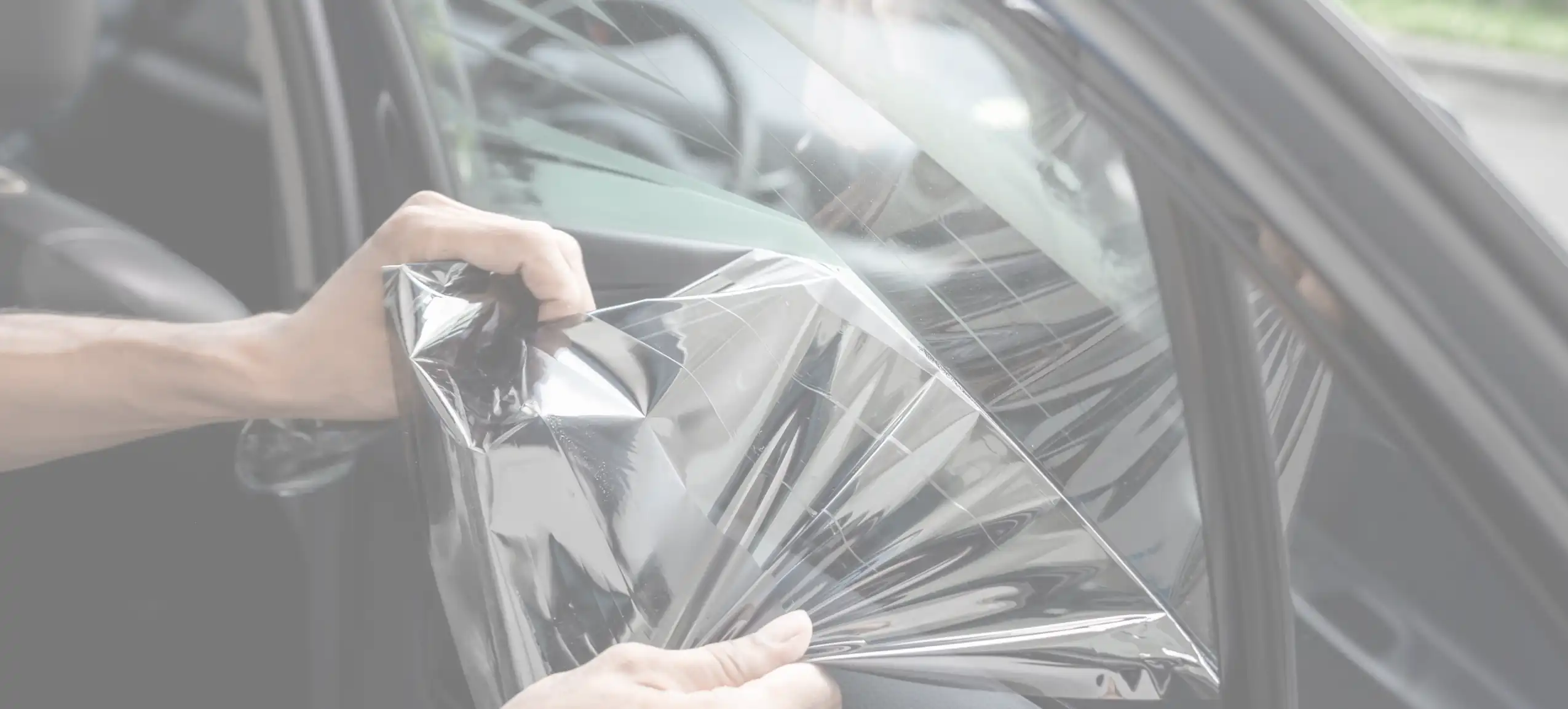
Window tint changes that equation by adding a dedicated UV-filtering layer to your glass. This protection works every day, not just during heat waves.
The Hidden Health Impact of Daily Driving
Most drivers don’t consider their car a health exposure environment, but in Phoenix, it absolutely is. Repeated sun exposure through side windows and windshields affects the same areas of the body over and over again—arms, hands, face, and neck. Over years of daily driving, this adds up to significant cumulative exposure.
High-quality window film can block up to 99% of UVA and UVB radiation, reducing that exposure dramatically. This is especially relevant for drivers who spend long hours on the road, whether commuting across the Valley, working mobile jobs, or simply running frequent errands. Tint becomes a preventative health measure rather than a cosmetic choice.
Interior Damage Happens Slowly—Then All at Once
Interior wear is another area where Phoenix drivers underestimate long-term impact. UV radiation and infrared heat gradually degrade dashboards, seat materials, door panels, and trim. Leather dries out. Plastics fade and crack. Adhesives weaken. Touchscreens and digital displays age faster under constant heat exposure.
Because this damage occurs slowly, many drivers don’t notice it until it becomes severe—and irreversible. At that point, interior restoration or replacement can be extremely costly. Window tint acts as a passive protective layer that reduces the amount of damaging energy entering the cabin every single day, helping preserve materials over the life of the vehicle.
For drivers who plan to keep their cars long-term, tint is one of the simplest ways to protect resale value without altering the vehicle’s appearance or function.
Why Glare Is a Year-Round Safety Issue
Phoenix glare is not limited to summer afternoons. Low-angle sunlight during fall and winter mornings can be just as blinding as peak summer sun. Light reflects off pavement, buildings, windshields, and desert terrain, creating visual conditions that strain the eyes and reduce contrast.
Glare fatigue builds over time. When drivers are repeatedly exposed to harsh light, their ability to detect movement, read road conditions, and react quickly diminishes. Window tint reduces glare before it reaches your eyes, allowing for more consistent visibility throughout the day.
This benefit becomes especially important during sunrise and sunset commutes, where sudden brightness changes can momentarily wash out road details. Tint helps smooth those transitions, making driving calmer and more controlled.
Cooling the Cabin Isn’t Just About Comfort
While interior temperature is often framed as a comfort issue, it also affects vehicle performance and longevity. Excessive heat forces air conditioning systems to work harder, increasing wear and reducing efficiency. Electronics inside modern vehicles—including infotainment systems and sensors—are also sensitive to prolonged heat exposure.
Ceramic and advanced window films reduce infrared heat transmission without requiring extremely dark shades. This allows drivers to maintain a cooler cabin year-round while staying compliant with Arizona tint laws. The result is a more stable interior environment that benefits both passengers and vehicle components.
Privacy Without the “Over-Tinted” Look
Privacy concerns don’t disappear outside of summer. Whether parked at work, shopping, or dining, drivers often leave personal items inside their vehicles. Window tint reduces visibility into the cabin, helping deter opportunistic theft while maintaining a clean, professional appearance.
Modern window films are designed to enhance privacy without making the vehicle look excessively dark. This is especially important for Phoenix drivers who want a subtle, factory-like finish rather than an aggressive aftermarket appearance.
Legal Tint as a Long-Term Strategy
Arizona window tint laws exist to balance safety, visibility, and privacy. The best approach is not pushing limits, but choosing high-performance film that delivers protection while staying within legal visible light transmission guidelines.
Professional installers understand how to tailor film selection based on window position, driving habits, and local enforcement standards. When done correctly, tint becomes a worry-free upgrade that performs year-round without compromising nighttime visibility or compliance.
Why Film Quality and Installation Matter
Not all window tint performs the same. Low-quality films may fade, discolor, bubble, or distort over time—especially under Phoenix sun exposure. These issues not only look bad but can also interfere with visibility.
High-quality ceramic and carbon films are engineered for long-term stability. When installed properly, they remain clear, consistent, and effective for years. Professional installation ensures clean edges, proper curing, and distortion-free results—critical for maintaining both performance and aesthetics.
Year-Round Protection, Not Seasonal Thinking
The biggest misconception Phoenix drivers have about window tint is that it’s only needed when temperatures spike. In reality, the factors that cause damage—UV exposure, glare, and infrared heat—are present every day. Tint works quietly in the background, protecting you and your vehicle regardless of season.
Rather than reacting to heat waves, smart drivers view tint as a long-term investment in comfort, safety, and preservation. It’s a one-time upgrade that delivers value every time you drive.
Choosing the Right Partner for the Job
Because tint plays such a critical role in daily driving conditions, choosing an experienced installer matters. Knowledge of Arizona laws, Phoenix climate realities, and modern film technology ensures you get results that last.
For drivers looking for professional installation and high-performance window film designed for Arizona conditions, ClearView Glass & Tint provides solutions focused on long-term protection—not quick fixes. With premium materials and experienced technicians, drivers can enjoy year-round benefits without compromise.
Frequently Asked Questions Regarding Auto Window Tint in Phoenix, AZ
Exterior paint benefits from airflow and protective coatings, while interiors trap heat. Tint helps rebalance that disparity by reducing interior heat accumulation over time.
Ceramic films reject infrared heat without relying on darkness, making them effective in all seasons while maintaining clear visibility and compliance with Arizona tint laws.
Light reflects off concrete, glass buildings, light-colored pavement, and other vehicles, creating multi-directional glare that standard sunglasses don’t fully address. Window tint reduces incoming light before it enters the cabin, improving visual consistency.
Sunlight fades interior materials unevenly depending on window orientation. Tint helps create more uniform exposure, preventing mismatched seat panels or uneven dashboard discoloration.
By Thomas McDonald
Latest Articles, Industry News & Expert Insights
Stay informed with updates, expert perspectives, and practical guidance on glass repair, replacement, and window tinting across automotive, residential, and commercial applications.