In Arizona, “sunny” isn’t a vibe—it’s a daily operating condition for your vehicle. The light is intense, the heat is persistent, and the driving environment can shift quickly from open desert to reflective city pavement to long stretches of highway with no shade. That’s why more Arizona drivers are moving past basic films and choosing ceramic window tint for their cars and trucks. This shift isn’t just about making windows darker. It’s about getting a cooler cabin, more stable visibility, and long-term performance that holds up in a state where vehicles live under high UV exposure year-round.
Ceramic tint has become the “buy once, benefit daily” option for people who drive frequently, park outside, or keep their vehicles long-term. It’s also becoming the preferred upgrade for work trucks and family SUVs where comfort, glare control, and interior preservation matter more than a quick cosmetic change. If you’ve ever tried a lower-tier film and felt like it helped a little—but not enough—this is usually the moment ceramic starts making sense.
What Ceramic Window Tint Actually Is (and What It Is Not)
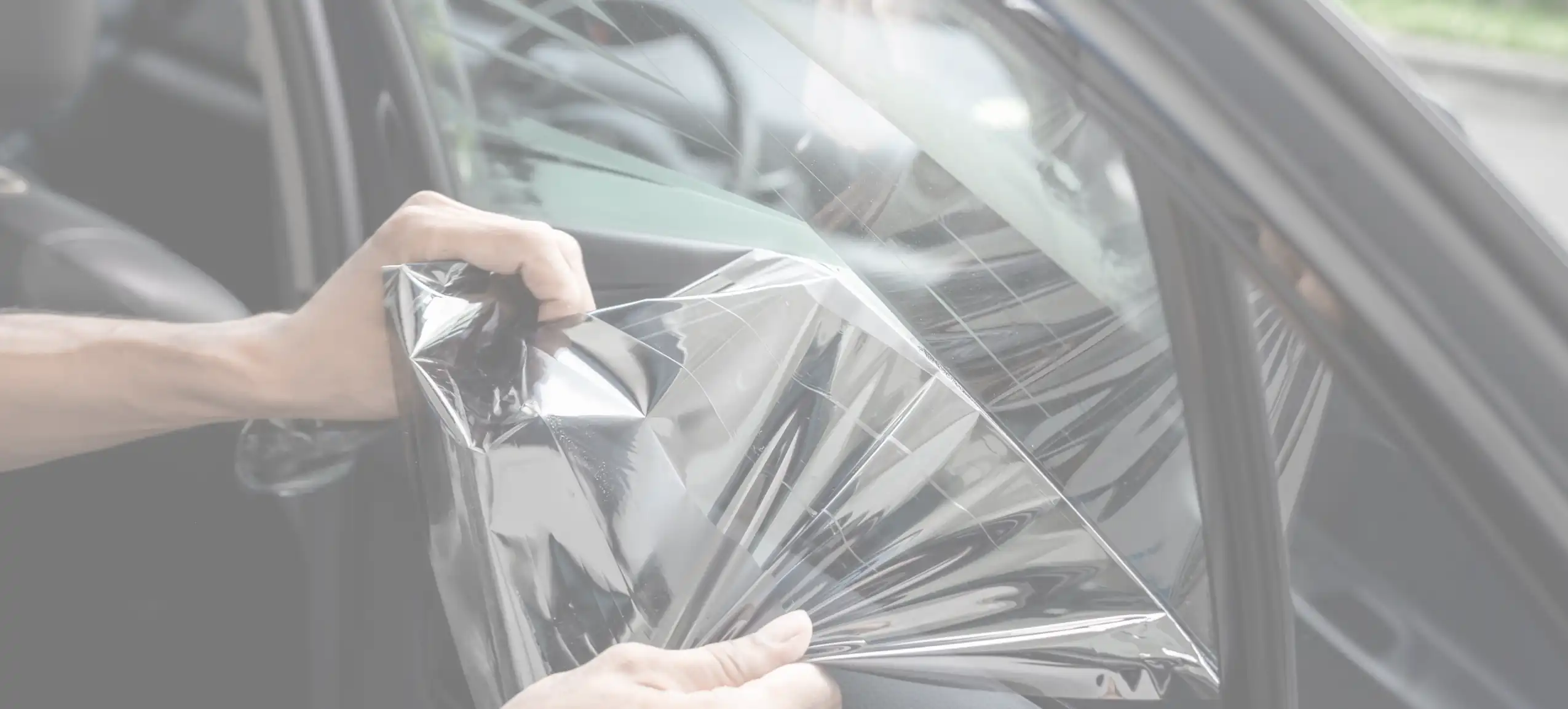
Ceramic tint is a high-performance window film that uses non-metal, nano-ceramic particles to manage solar energy. That matters because Arizona heat isn’t just “brightness”—it’s infrared energy that soaks into seats, steering wheels, and dashboards. A quality ceramic film is designed to cut glare, reduce heat penetration, and block UV without relying on metal layers that can cause signal issues. In other words, ceramic is built for performance first, not just appearance.
Just as important: ceramic tint isn’t automatically “dark.” Darkness is a visible-light choice (often measured as VLT—visible light transmission). Ceramic performance is about how well the film manages heat and UV at whatever shade level you choose. That means many drivers get a noticeable comfort upgrade while still staying within legal tint limits, because they’re buying heat rejection—not simply buying the darkest glass possible.
Ceramic isn’t the only option on the market. If you want to understand how ceramic compares to dyed, carbon, and clear films, read our guide to all the different types of window tint before deciding.
Why Arizona Drivers Feel the Difference So Fast
Ceramic tint tends to impress people quickly because it changes the feel of the cabin in ways you notice on normal errands, not just on the hottest day of the year. In Arizona, your car doesn’t need to be parked for hours to feel uncomfortable—short stops add up. Ceramic tint helps reduce that “heat spike” effect so you don’t climb back into a cabin that feels instantly hostile after a grocery run, a school pickup, or a quick lunch stop.
Drivers also notice less glare fatigue. Arizona roads have a lot of visual intensity: bright skies, pale concrete, reflective vehicle glass, and low sun angles in the morning and evening. Ceramic film helps cut the harshness without making your world look dim or distorted. It’s not about hiding from the sun—it’s about smoothing it out so driving feels calmer and visibility stays consistent.
The Long-Term Play: Why Ceramic Wins Over Time
Many Arizona drivers choose ceramic tint because they’re tired of “temporary” solutions. Low-end film can fade, discolor, or lose performance under constant heat. Even if a basic film looks fine at first, Arizona conditions test it hard: daily sun exposure, hot glass temperatures, and constant cooling/heating cycles from your A/C. Ceramic film is popular because it’s designed to stay stable—meaning it maintains performance and appearance longer when installed correctly.
That long-term stability matters for resale, too. Buyers notice interiors that look clean and cared for: dashboards that aren’t chalky, seats that haven’t dried out, and trims that still match. Ceramic tint doesn’t magically “freeze time,” but it can reduce the environmental stress that accelerates interior aging. If you keep vehicles for several years—or you rotate into a new vehicle every few years—ceramic tint is one of those upgrades that protects both your daily comfort and your future value.
Trucks and Work Vehicles: The Practical Case Is Even Stronger
Ceramic tint isn’t just a car trend. It’s becoming a staple for trucks and work vehicles in Arizona because the use-case is tougher. Work trucks spend long hours in open lots, on job sites, and in direct sun. They also carry tools, equipment, and sometimes sensitive electronics that don’t love heat. A hotter cabin means more A/C load, more discomfort, and a higher chance that interior materials and screens take a beating over time.
For many truck owners, ceramic tint becomes part of the “daily durability package” alongside better tires, bed protection, or paint protection film. It’s not just a comfort choice—it’s a workday improvement. Less glare while driving between job sites, less heat while parked, and a cabin that stays more livable when you’re in and out of the vehicle all day.
What to Look For When Comparing Ceramic Options
Not all ceramic films are identical, and not every “ceramic” label means the same level of performance. A professional installer should be able to explain the film’s performance characteristics in plain language and match them to how you actually drive. When you’re comparing options, focus on practical outcomes instead of marketing hype.
Here are a few smart questions Arizona drivers ask before committing:
- Heat performance: How much infrared heat does this film reduce compared to a standard film?
- UV protection: What level of UV blocking does the film provide, and how is it tested?
- Clarity: Does the film maintain crisp visibility, especially at night?
- Color stability: Will the film keep a clean, consistent look over time in high sun exposure?
- Warranty coverage: What is actually covered—bubbling, peeling, discoloration—and for how long?
A good shop won’t just sell you “a shade.” They’ll help you choose a setup that balances comfort, legal compliance, appearance, and visibility—especially if you do a lot of night driving or have specific goals like reducing windshield glare or improving front-seat comfort.
Legal Tint Isn’t a Limitation—It’s a Strategy
One of the biggest misconceptions is that legal tint can’t feel “high performance.” In reality, modern ceramic tint makes legal setups far more effective than older film types. Many drivers don’t need extreme darkness to get what they want. They want a cooler cabin, less glare, and better interior protection. Ceramic film is popular because it can deliver those benefits while keeping the vehicle road-legal and comfortable to drive in low light.
If you’re unsure what’s allowed for your vehicle’s specific window positions, treat that as a reason to work with a professional installer who understands Arizona requirements. The goal is to get results without turning your tint into a headache later.
Why Professional Installation Matters More Than Most People Think
Even the best film can look bad or perform poorly if the installation is sloppy. In Arizona, installation quality matters because high heat can expose weaknesses quickly—like lifting edges, poor adhesion, contamination trapped under the film, or distortion that bothers you every time you drive into the sun.
Professional installation is about more than clean edges. It’s surface prep, precise fitting, correct shrinking and shaping, and proper curing guidance. A quality installer will also help you choose a tint setup that fits your real life: commuters, families, work vehicles, weekend drives, and everything in between. This is where experience turns tint from “an upgrade” into “a daily advantage.”
Care and Maintenance: How to Keep Ceramic Tint Looking New
Ceramic tint is durable, but it still benefits from basic care—especially during the curing period. Your installer should give you simple rules to follow so the film can settle and bond properly. After that, maintenance is straightforward: avoid harsh cleaners and abrasive tools that can scratch the film surface.
For long-term results, use ammonia-free glass cleaner and a soft microfiber towel. If you regularly drive dusty routes or your truck lives on job sites, gentle cleaning habits matter even more—because aggressive wiping on dusty glass is one of the easiest ways to create fine scratches over time.
Who Ceramic Tint Is Best For in Arizona
Ceramic tint is especially popular with drivers who:
- Drive daily and want the cabin to feel stable and comfortable across repeated stops
- Park outside at work, school, apartments, or open lots with minimal shade
- Own trucks or work vehicles that spend long hours in direct sun
- Want premium performance without sacrificing night visibility
- Plan to keep their vehicle long-term and want to preserve interior condition
It’s also a strong fit for people who tried basic tint before and felt underwhelmed. Ceramic often feels like “what tint was supposed to do” because the performance is more noticeable in the real world—especially in Arizona’s climate.
Get Ceramic Tint Installed by Pros Who Understand Arizona Driving
If you’re ready to upgrade from basic film to a higher-performance solution, professional ceramic tint is one of the most practical investments you can make for comfort, visibility, and long-term interior protection in Arizona. For expert installation and premium film options tailored to the way you drive, ClearView Glass & Tint can help you choose a ceramic setup that performs in real desert conditions and looks clean from day one.
Frequently Asked Questions Regarding Ceramic Auto Window Tint in Arizona
Because ceramic tint improves daily comfort without affecting visibility or communications equipment, it’s favored for vehicles that must perform consistently in heat without downtime.
Arizona’s peak heat is driven by infrared radiation, not just brightness. Ceramic films target that specific energy band, which is why performance differences are most noticeable mid-afternoon.
Yes. Ceramic tint provides passive protection all day, even when sunshades are forgotten, improperly placed, or removed while driving.
Ceramic tint reduces harsh light intensity without overly darkening the view, allowing the eyes to adapt more naturally during long daytime drives across bright desert environments.
By Thomas McDonald
Latest Articles, Industry News & Expert Insights
Stay informed with updates, expert perspectives, and practical guidance on glass repair, replacement, and window tinting across automotive, residential, and commercial applications.