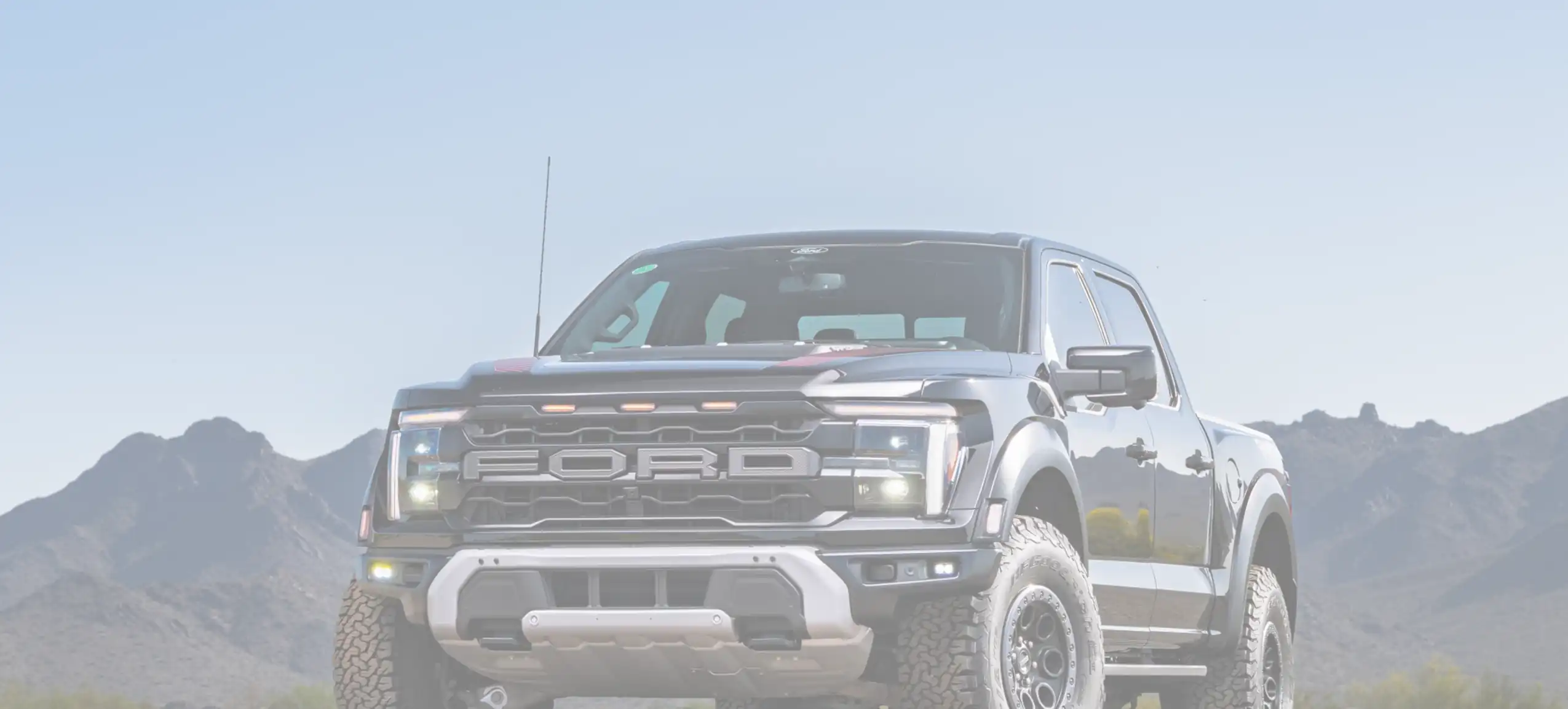
Scottsdale has a way of turning everyday errands into a showcase. The same stretch of road can feel like a rolling auto gallery—exotics idling at valet stands, high-end SUVs gliding between resort entrances, and performance sedans parked outside restaurants where the lighting is as curated as the menu. In that environment, vehicle presentation isn’t a side detail; it’s part of the experience. And one of the most noticeable “quiet upgrades” in that world is window tint.
If you’ve spent any time around upscale corridors—resort driveways, boutique shopping areas, private club parking lots—you’ve probably noticed a pattern: many high-end owners prioritize cabin comfort and a discreet look, sometimes pushing their tint choices right up to the edge of what’s allowed. This isn’t advice to break the rules, and it’s not a guide to “get away with it.” It’s simply an observation about how luxury drivers often weigh trade-offs in a place where the sun is relentless and privacy is a currency of its own.
The reality is that Scottsdale’s climate and lifestyle place unique demands on vehicles. Leather, alcantara, gloss-black trim, carbon fiber accents, and digital displays are gorgeous—but they are also sensitive to heat and UV over time. Add in a culture that values discretion (especially in valet lines and high-visibility destinations), and tint becomes less about “modding” a car and more about controlling the environment inside it.
Why Tint Becomes a “Luxury Standard” in Scottsdale
In many cities, tint is framed as a practical add-on: reduce glare, lower cabin heat, protect the interior. Scottsdale drivers get all of that—but the luxury market adds a second layer: the social and aesthetic function. Here, tint is often treated like a tailored suit. It’s not supposed to shout. It’s supposed to fit perfectly, look intentional, and elevate the vehicle’s presence without introducing visual clutter.
That’s why you’ll see tint discussed in the same breath as paint protection film, wheel finishes, and ceramic coatings. In upscale circles, these aren’t “extras”—they’re preservation tools that keep a vehicle looking fresh and feeling comfortable in a climate that can punish neglect. When you’re driving a vehicle where the interior materials and electronics are as carefully engineered as the engine, it’s understandable that owners look for ways to keep the cabin stable and protected.
The “Comfort-Over-Compliance” Mindset—What People Mean by It
You’ll hear a phrase tossed around in car conversations: comfort over compliance. What that usually means, in plain terms, is that some owners see cabin comfort and discretion as non-negotiable—especially when the vehicle is used daily and parked in open lots. It does not mean that breaking the law is wise, harmless, or recommended. It simply describes a perspective some drivers appear to hold: they dislike harsh sunlight inside the car so much that they prioritize a darker look than they should, or they assume enforcement will be inconsistent.
The best way to think about this—without glamorizing it—is that luxury drivers often have a different tolerance for friction. For many people, a “maybe ticket” is a hard stop. For others, the annoyance of heat and the desire for privacy can outweigh the perceived risk, especially if they rarely experience enforcement. Again: this is a cultural observation, not a recommendation.
Discretion: The Understated Status Symbol
In Scottsdale, “privacy” can mean different things depending on the driver. For some, it’s practical—keeping valuables out of sight in a parking lot. For others, it’s lifestyle-driven: avoiding unwanted attention at a valet stand, keeping conversations private inside the cabin, or simply maintaining a sense of separation from the outside world.
Darker tint often signals discretion. It creates a visual boundary between the public space and the private cabin. Luxury owners who routinely park at resorts, dine out frequently, or attend events may see that boundary as part of the ownership experience. It’s the same reason many people choose quiet, premium interiors: they want the cabin to feel like a personal space, not a fishbowl.
Aesthetics: Why Tint Changes the “Line” of a Car
Design matters more in luxury vehicles because every line is intentional. Dark tint can sharpen body contours, reduce visual “noise,” and unify the greenhouse (the window area) with the rest of the vehicle. On certain colorways—black, white, or metallic grays—tint often completes the look the way proper wheel offset or a clean stance does. It makes the car appear finished.
That aesthetic payoff is one reason tint comes up so often in luxury circles. It’s a highly visible change that doesn’t require permanent modifications, and it can be done tastefully. A clean install with high-quality film looks seamless; a cheap film with distortion or purple fade looks out of place fast—especially on high-end cars.
Heat Management: Why Scottsdale Makes the Cabin Feel “Loud”
Scottsdale sunshine is not subtle. When your car is parked under open sky, the interior can heat up quickly—especially with large windshields and expansive glass roofs. Luxury cars often have more glass area, brighter headliners, and large infotainment displays. These features look great, but they also increase exposure. The cabin can feel harsh: glare bouncing off trim, heat soaking into seats, and displays warming under direct sunlight.
For daily drivers—especially those doing repeated stops—heat becomes a quality-of-life issue. Owners don’t just want the cabin to cool down eventually; they want it to stay stable so the vehicle feels refined the moment they get in. That’s where high-performance films (particularly ceramic) become the realistic, lawful answer for many drivers.
What the Law Is Trying to Do (and Why It Exists)
Window tint laws exist for practical reasons: visibility for safe driving, the ability for law enforcement to see occupants during stops, and consistent safety standards across vehicles. The intent is not to “ruin comfort” but to balance comfort and privacy with public safety. If you want a straightforward local explainer on how Arizona tint rules are discussed and enforced, this Arizona Republic overview is a useful reference: local news is always reporting on Arizona tint laws.
In Arizona, tint rules are based on visible light transmission (VLT) and can vary by window position. The important point for drivers is that “darker” isn’t the same as “better,” and the smartest upgrades aim to maximize performance while staying within legal boundaries. If you’re unsure what’s allowed for your vehicle, treat that uncertainty as a reason to consult a professional—because correcting a bad tint job is usually more expensive than doing it right the first time.
The Smart Alternative Luxury Owners Choose: Performance Without Excess Darkness
Here’s where the conversation gets more practical. A lot of luxury owners don’t actually need extreme darkness to get what they want. What they’re chasing is performance: reduced heat, reduced glare, and UV protection—plus a clean, premium look.
Modern ceramic films are designed for exactly that. They can provide excellent heat rejection and UV blocking while remaining within legal VLT ranges. In other words, you can often get the “cool, calm cabin” experience without the visual intensity that attracts unwanted attention. This is a big reason ceramic tint is so popular in high-end markets: it’s a high-performance solution that can still look tasteful and compliant.
Why “Quality of Installation” Matters More Than People Expect
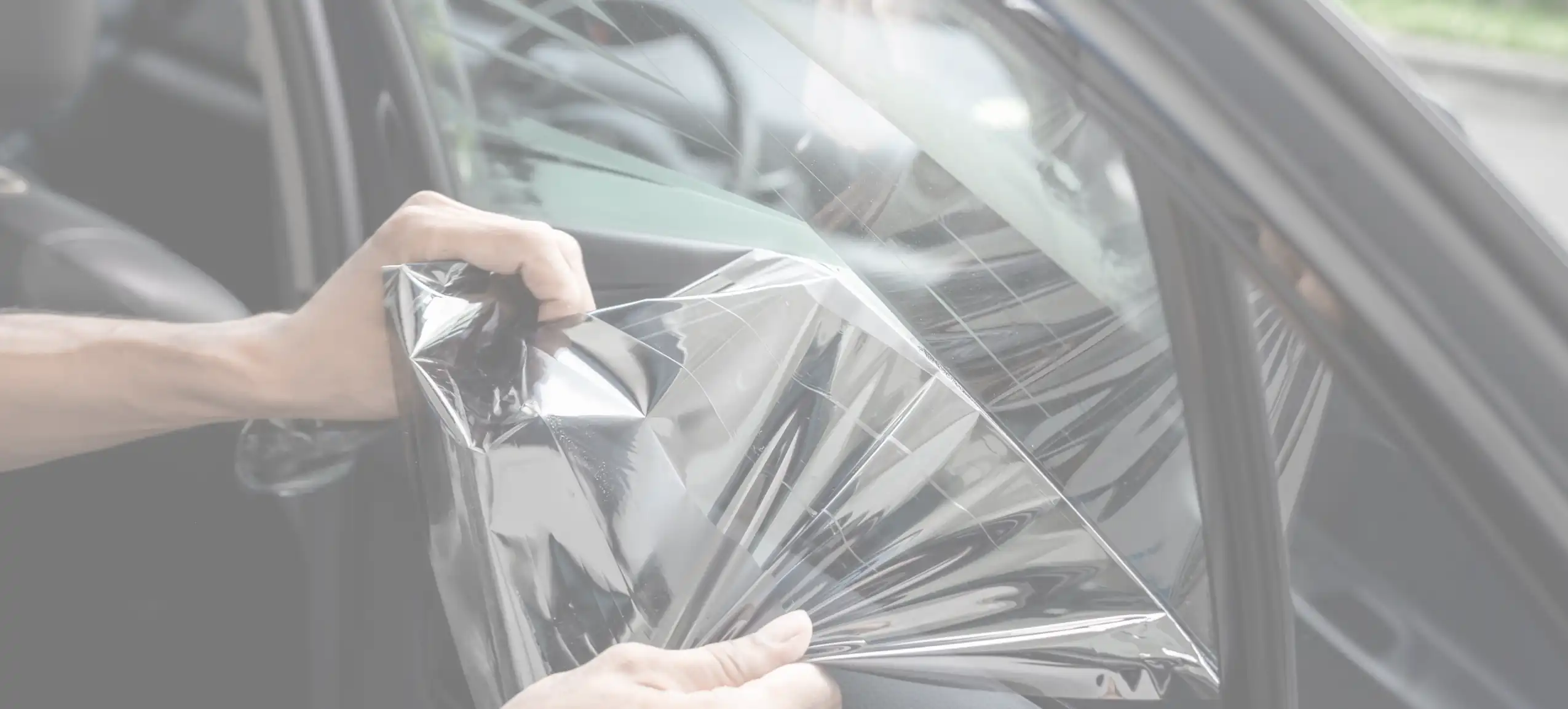
In a luxury environment, flaws show. A slight edge gap, a bubble, or a hazy distortion can take a vehicle from “executive clean” to “aftermarket cheap” instantly. That’s why experienced installers matter as much as film choice. Professional prep, careful cutting, proper shrinking, clean application, and correct curing practices are what turn tint into a refined upgrade rather than a questionable mod.
Just as important: knowledgeable installers help you choose a legal setup that matches your goals. That includes selecting the right film type, recommending appropriate shades by window position, and accounting for how you actually use the vehicle—daily commuting, valet-heavy routines, long freeway drives, or weekend-only cruising.
What This Looks Like in Real Scottsdale Driving
Scottsdale driving has a distinct rhythm. There are short, high-frequency trips: coffee, gym, meetings, lunch, dinner, events. There are also longer “comfort drives” where the experience matters: smooth highways, resort routes, and scenic stretches where glare can be intense. In both cases, tint is often part of a broader strategy: keep the cabin comfortable, protect the interior, and maintain a discreet exterior presence.
For luxury owners, the goal is usually not to hide. It’s to control attention and preserve the vehicle’s environment. That’s why many choose high-performance film and a legal, tailored setup rather than chasing maximum darkness. The best tint jobs in Scottsdale don’t scream for attention—they quietly make the vehicle feel more premium every day.
A Responsible Takeaway
If you’ve noticed luxury vehicles with very dark windows in Scottsdale, you’re not imagining things—tint culture is real here. But the most sustainable and responsible approach is simple: prioritize performance and craftsmanship while staying within the law. You can achieve a cooler cabin, reduced glare, and a refined look without turning tint into a legal gamble.
And if your goal is luxury-level comfort and privacy, it’s worth treating tint like any other premium upgrade: choose quality film, choose professional installation, and choose a setup that aligns with legal standards instead of fighting them.
Where ClearView Glass & Tint Fits In
If you want the refined look and real-world comfort that Scottsdale luxury drivers value—without crossing lines that create headaches—ClearView Glass & Tint helps drivers choose high-performance film options and professional installation that’s built for Arizona conditions. The right approach is the one that protects your cabin, respects the rules, and still delivers that clean, discreet finish luxury owners expect.
Frequently Asked Questions Regarding Luxury Vehicles and Auto Window Tint in Scottsdale, AZ
Many high-end owners view tint the same way they view ventilated seats or adaptive suspension—it’s about controlling the cabin environment. In Scottsdale’s climate, tint is less about changing appearance and more about maintaining interior calm, temperature consistency, and material longevity.
Ceramic films deliver performance without relying on extreme darkness. Luxury owners often want heat rejection and clarity without altering the vehicle’s factory design language or increasing the likelihood of enforcement attention.
Rather than ignoring the law, many luxury owners aim to get as close as possible to the legal threshold while maximizing performance. The focus is usually on precision and optimization—not recklessness—especially when working with experienced installers.
Tint subtly changes how a vehicle is perceived. It reduces visual noise, sharpens body lines, and creates a cohesive silhouette—important in Scottsdale where vehicles are often part of a broader lifestyle presentation.
By Thomas McDonald
Latest Articles, Industry News & Expert Insights
Stay informed with updates, expert perspectives, and practical guidance on glass repair, replacement, and window tinting across automotive, residential, and commercial applications.