If you drive around Oro Valley long enough, you start noticing something that doesn’t show up the same way in flatter parts of Arizona: the sun doesn’t just feel “bright”—it feels directional. The Santa Catalina foothills shape how light hits the road, how glare bounces off surrounding surfaces, and which side of your vehicle takes the brunt of exposure at different times of day. That’s why a window tinting conversation in Oro Valley should be less about generic desert heat and more about how terrain changes what your glass is asked to handle.
In practical terms, Oro Valley driving often means shifting angles and contrast. A route that’s comfortable in one stretch can turn into a squint-heavy segment a minute later when the road curves, elevation changes, or you move from a shadowed pocket into open sun. Window tinting helps because it filters and stabilizes the light coming through your side windows and rear glass—areas that take a surprisingly heavy load in foothill towns where the sun’s angle can slam sideways through the cabin.
Why Side-Glass Exposure Matters More Here Than You’d Expect
Many drivers think of glare as a windshield-only issue. But in Oro Valley, side-glass exposure becomes a bigger deal because of how you move along foothill corridors and east–west routes. When the sun sits low over the mountain line in the morning or late afternoon, it can strike through the driver-side or passenger-side windows at an angle that’s uncomfortable and distracting. That’s not only annoying—over time, it also concentrates heat and UV stress on the same interior zones: door tops, seat bolsters, center console edges, and the side of the dash that faces the sun most often.
High-quality film helps reduce that “hot stripe” effect. Instead of sunlight blasting straight through untreated glass and heating a single area like a magnifying lens, tint reduces intensity and spreads out the experience so the cabin feels more consistent. The result is less visual fatigue and less interior punishment on the surfaces that usually get hit first.
Contrast Glare: The Hidden Fatigue Factor on Foothill Roads
Oro Valley’s terrain can create quick shifts between bright sun and deep shadow. When you transition from shade into full exposure (or the reverse), your eyes constantly re-adjust—especially if you’re driving near the mountain base where shadows can be sharper and more frequent. That adjustment isn’t just a comfort issue. It’s a focus issue. Contrast glare can make it harder to track lane markings, spot pedestrians at the edge of your peripheral vision, or read the road surface clearly when brightness changes rapidly.
A properly chosen window film helps “smooth” those shifts. The goal isn’t to darken your world. The goal is to make lighting more manageable so you’re not repeatedly squinting, widening your eyes, or fighting reflections off the dashboard. When the light is steadier, driving feels calmer—and you end a long day with less tension behind the eyes.
Scenic Drives and Open-Sky Parking: Where Oro Valley Drivers Feel It Most
Oro Valley is the kind of place where driving is part of the lifestyle. Weekend loops, quick scenic detours, and short drives that turn into longer ones happen naturally because the views are worth it. That’s also why parked exposure matters: you’re frequently leaving your vehicle in open-sky lots while you enjoy the area. If you’re heading to the official Honey Bee Canyon Park for a walk among saguaros and petroglyphs, your vehicle may sit in direct sun for a while. When you return, the difference between treated and untreated glass isn’t subtle—especially when the sun is clear and the air is crisp after a monsoon system passes through.
In these “park-and-explore” moments, tint is doing two jobs: keeping the cabin more tolerable when you come back, and reducing the long-term wear that repeated exposure creates. Oro Valley drivers who keep their vehicles in good shape tend to notice that second benefit more over time—less fading, fewer dried-out surfaces, and fewer “my interior looks older than it should” surprises.
Interior Aging in Foothill Towns: It’s Not Just Temperature, It’s Pattern
One reason tinting can be especially valuable in Oro Valley is that the sun’s behavior creates patterns of exposure. When the same side of the vehicle is repeatedly hit during common travel times, the interior doesn’t age evenly. You’ll see it in the subtle fading of a seat edge, the dulling of trim on one side, or the way a dash surface starts to look “tired” long before the rest of the cabin does. That’s not a vanity issue—uneven aging impacts resale presentation, and it can make a well-maintained vehicle look neglected when it isn’t.
Quality films are designed to reduce ultraviolet exposure and control solar energy entering through glass. In real-world terms, that means interior materials aren’t asked to endure the same intensity, day after day. You still live in Arizona, so you’ll still have sun—but the difference between “sunlight” and “sunlight amplified through untreated glass” is where tint earns its keep.
Film Choice Matters, But the “Best” Film Depends on How You Drive Oro Valley
Not all films perform the same, and in a foothill environment, clarity and consistency are just as important as heat control. In general, dyed films focus more on appearance and basic shading, carbon films tend to improve performance with good color stability, and ceramic films are often chosen for higher-end heat rejection and crisp visibility. Many Oro Valley drivers prefer ceramic options because they can reduce glare and heat without making the view feel muddy—important when you’re driving through scenic areas and want comfortable visibility rather than an artificially dark look.
The right approach is to match the film to your use case. If you frequently drive at sunrise/sunset times when side-glass glare is intense, you’ll want a setup that helps with directional light without compromising visibility. If your vehicle sits outside often, you’ll want strong protection for interior longevity. A professional installer can walk through those priorities and recommend legal shades by window position so performance and compliance stay aligned.
Arizona Tint Compliance: What “Professional” Really Means
In an EEAT-friendly approach, it’s important to be clear: tint isn’t just about what looks good—it has to be legal and safe. Arizona has visible light transmission (VLT) limits that vary by window location. A professional shop doesn’t guess. They guide you toward a compliant setup and can verify what you’re getting so you don’t end up with something that causes problems later.
In a foothill area where glare can be intense, some drivers are tempted to go darker than necessary. The smarter move is performance-first film selection with legal shades—so you get real comfort and visibility benefits without creating avoidable risk.
Installation Quality Is the Difference Between “Tint” and “A Good Tint Job”
A big reason some drivers end up disappointed with tint is not the film—it’s the installation. Foothill towns like Oro Valley deal with dust, wind, and frequent temperature swings. If a shop cuts corners on prep, you’ll see it later as bubbling, edge lifting, contamination specks, or uneven lines that catch your eye every time you drive.
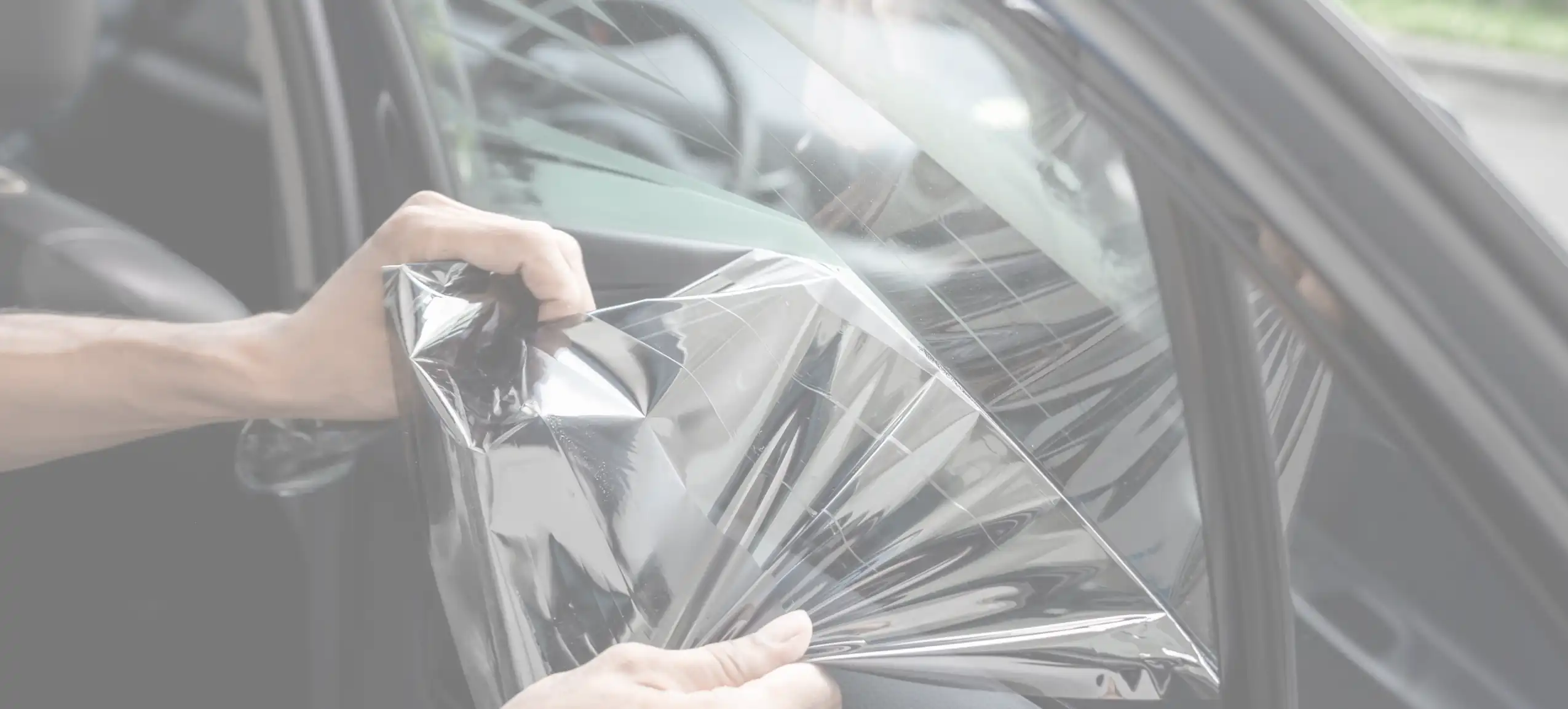
Professional installation is about meticulous glass cleaning, precise trimming, and clean edge work so the film looks factory-finished. It’s also about proper curing guidance, so you don’t unintentionally damage a fresh install by rolling windows down too early or cleaning with harsh products.
Care Tips That Actually Matter in Oro Valley Conditions
The “care” section can become generic fast, so here are the items that truly make the biggest difference in desert environments:
First, respect curing time—your installer should tell you when it’s safe to roll windows down. Second, use ammonia-free cleaner and a soft microfiber towel to avoid hazing or degrading the film surface. Third, avoid scraping tools near film edges; in dusty conditions, it’s tempting to “attack” a stubborn spot, but that’s how edges get damaged. Finally, if you’re regularly parked in open-sky lots (parks, trail areas, sports fields), plan on gentle wipe-downs rather than aggressive scrubbing—dust is normal here, and tint lasts longer when it isn’t constantly abraded.
What a “Better Drive” Looks Like Around Oro Valley
The real test of tint isn’t whether it sounds good on paper. It’s how it changes your routine. In Oro Valley, a better drive often means you’re not constantly adjusting your visor, shifting your posture to avoid a sunbeam through the side window, or feeling like the cabin is unevenly hot. It means less dashboard reflection at the exact moment you need to see clearly. It means returning to your vehicle after an outing and feeling like the cabin is recoverable—not like you just opened the door to a blast furnace.
Most importantly, it means your vehicle is better matched to the environment. Oro Valley is bright, scenic, and sun-exposed—those are features, not bugs. Tinting simply helps your vehicle live in that reality without taking unnecessary wear.
Schedule Window Tinting in Oro Valley
If you want a film setup that’s chosen for real Oro Valley driving—directional sun, foothill shadows, and side-glass exposure—professional installation is the safest path. For expert service and a result that looks clean and performs reliably, schedule your appointment with
ClearView Glass & Tint.
Whether you’re commuting along La Cañada, taking a scenic loop under the Catalinas, or parking in open lots for local outings, the right window film helps you drive more comfortably and protect your vehicle long-term.
When you’re ready to upgrade, ClearView Glass & Tint can recommend a legal, performance-focused setup and install it with the attention to detail Oro Valley drivers expect.
Frequently Asked Questions Related to Auto Window Tint and The Glare In Oro Valley, AZ
Side-glass glare happens when low-angle sunlight enters through driver or passenger windows instead of the windshield. In Oro Valley, foothill corridors and east–west stretches can expose side windows for long portions of a drive, which can be more distracting than forward glare because it hits your peripheral vision and interior surfaces.
In foothill areas, a small change in direction can line your vehicle up with the sun at a low angle. That “one turn” can convert comfortable lighting into direct beam exposure through one side of the cabin. Tint helps by softening intensity when the sun lines up unexpectedly.
If your biggest discomfort is directional sun, the side windows often have the greatest impact—because that’s where low-angle light enters during sunrise and sunset driving. A professional installer can recommend a legal setup by window position that targets side-glass exposure without sacrificing visibility.
Not necessarily. When film is chosen and installed correctly, you can reduce harsh brightness and directional glare while still keeping the scenery clear. The goal is “comfortable visibility,” not making the world look dim—especially important in scenic areas like Oro Valley where you want the landscape to stay crisp.
By Thomas McDonald
Latest Articles, Industry News & Expert Insights
Stay informed with updates, expert perspectives, and practical guidance on glass repair, replacement, and window tinting across automotive, residential, and commercial applications.