Mesa is one of the most established cities in the Phoenix metro area, and that history shows up on the road. Alongside newer vehicles, you’ll see plenty of older daily drivers—well-loved sedans, trucks, and SUVs that have been faithfully serving families and commuters for years. In a place where sunshine is constant and summer heat is intense, older vehicles face a specific challenge: interior materials that have already endured years of wear tend to break down much faster when exposed to repeated heat and UV cycles.
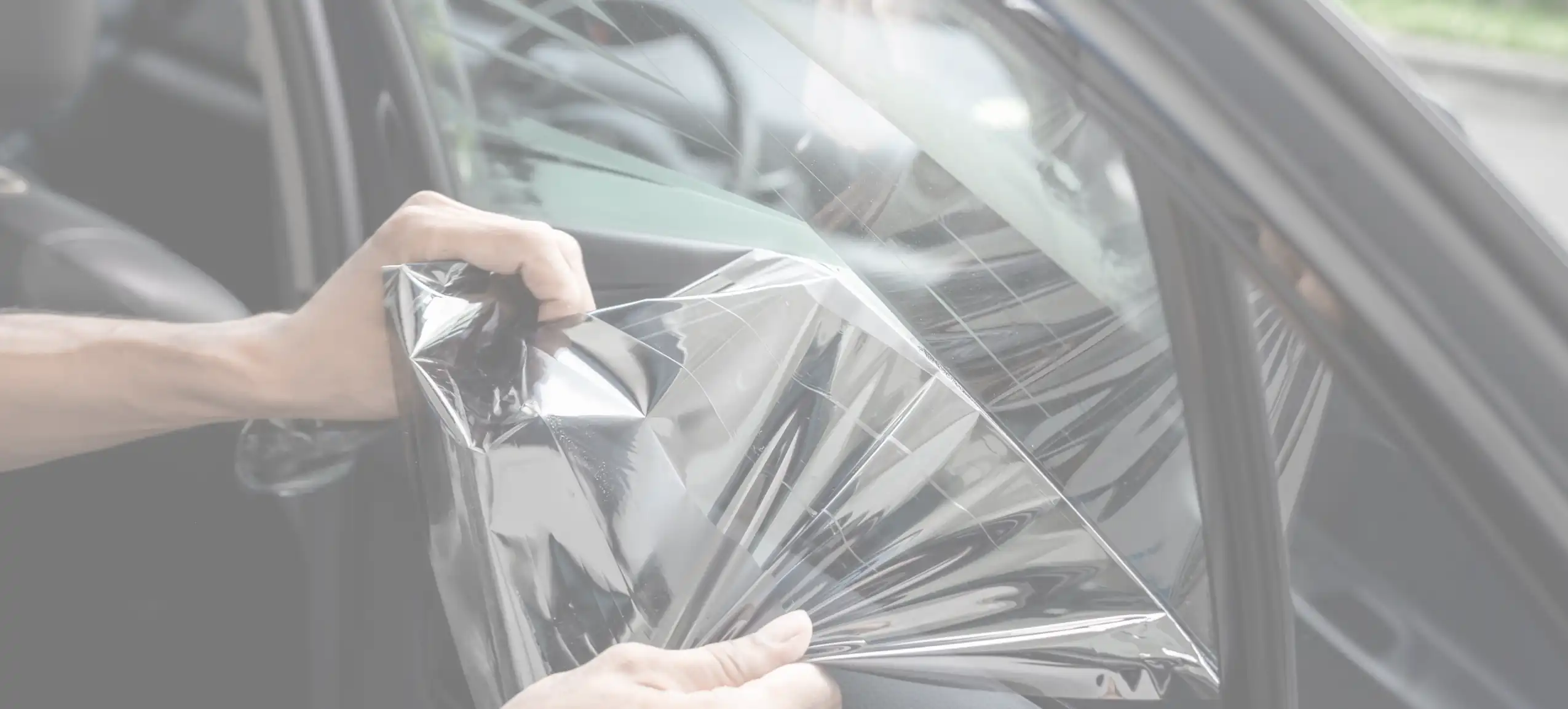
That’s where automotive window tinting becomes more than a cosmetic upgrade. For Mesa drivers with older vehicles, tint is a practical, protective tool that helps slow interior aging, reduce daily discomfort, and keep a vehicle feeling “livable” for longer. Instead of framing tint as something you only need for new cars or luxury SUVs, this guide explains why older vehicles often benefit the most—especially in a sun-heavy city like Mesa.
Why Older Vehicles in Mesa Take a Bigger Beating from Sun and Heat
In Arizona, every vehicle is exposed to intense sunlight, but older vehicles have two disadvantages that newer cars don’t. First, interior materials may already be approaching the end of their lifespan—plastics dry out, adhesives weaken, and protective coatings on dashboards and trim slowly degrade. Second, older cars frequently have more “micro wear” that you can’t always see: tiny cracks in vinyl, aging foam under upholstery, and weakened stitching that holds seats and headliners together.
When those materials face repeated heating and cooling cycles—especially after being parked in open lots—the breakdown accelerates. It’s not just about how hot it gets in the cabin; it’s about how often those materials are forced to expand, contract, and bake under UV exposure. Over time, that wear shows up as the classic Arizona interior problems: cracked dashboards, faded upholstery, brittle door panels, peeling trim, and sagging headliners.
Automotive window tint helps reduce the intensity of that daily stress by limiting the amount of solar energy entering through the glass. That means less heat load on the interior and less UV exposure hitting surfaces directly, day after day.
The “Daily Heat Cycle” Problem: Why Short Stops Still Do Damage
One of the biggest misconceptions is that you only need tint if you spend hours parked outside. In reality, older interiors suffer from repeated short exposures too. Mesa driving often includes quick stops—grocery runs, appointments, school pickups, lunch breaks, or errands around town. Each stop creates a mini heat cycle: you park, the cabin heats rapidly, then you get back in and cool it down with A/C. Repeat that daily for years, and you create constant stress on aging interior components.
Window tint doesn’t eliminate heat, but it reduces the rate and severity of heat buildup. That matters because “less extreme swings” are easier on older plastics, vinyl, and adhesives. It also makes your vehicle feel more consistent and comfortable during daily use, which is often the real goal for drivers keeping older cars on the road.
What Tint Helps Preserve in Older Vehicles
When you tint an older vehicle, you’re protecting more than just the look. You’re protecting the materials and components that are expensive or annoying to repair—especially when a car is past the point where you want to invest heavily in cosmetic restoration.
Here are common older-vehicle interior issues where tint can help slow the decline:
- Dashboards and top-of-dash plastics: UV and heat can dry and crack surfaces, especially on darker dashboards.
- Seats and upholstery: Fading, drying, and stiffening of leather, vinyl, or cloth accelerates with direct sun exposure.
- Door panels and armrests: Older adhesives can soften and fail after years of heat cycling.
- Headliners: Heat can weaken the glue that holds fabric to foam backing, making sagging more likely.
- Interior trim and finishes: Gloss pieces, rubberized coatings, and plastics can discolor or turn brittle.
- Older electronics: Radios, screens, and dashboard components can run hotter in an already overheated cabin.
The point isn’t that tint “fixes” these problems—rather, it helps reduce the environmental pressure that causes them to worsen. If your goal is to keep an older vehicle comfortable and presentable for a few more years, that matters.
Comfort Benefits That Are More Noticeable in Older Cars
Newer vehicles tend to have stronger air conditioning performance, better insulation, improved glass coatings, and more efficient climate control systems. Older vehicles often don’t. Even if the A/C still works, it may take longer to cool the cabin, and it may struggle more when the interior is already superheated.
Automotive window tint helps older vehicles feel more manageable because it reduces the heat load the A/C must fight. That can mean:
- A cabin that cools down faster after parking in the sun
- Less “blasting” the A/C at max just to become comfortable
- Cooler steering wheels, seat surfaces, and consoles during midday
- A more stable temperature on longer drives across Mesa
For older daily drivers, this is often the biggest quality-of-life improvement. Tint can make a vehicle feel less punishing during Arizona’s hottest months—without requiring expensive interior replacements.
Mesa’s Parking Reality: Why Local Exposure Adds Up
Another reason this topic fits Mesa is simple: many of the places people visit include large surface parking areas with limited shade. Whether you’re stopping at a shopping center, a medical office, a community event, or a cultural site, your vehicle may sit in direct sun. One local example is Mesa Grande Cultural Park, a destination that showcases the region’s history and offers a unique way to spend time outdoors. Like many Arizona attractions, it can also mean parking in open sun—exactly the kind of exposure that accelerates interior wear in older vehicles.
That’s why Mesa drivers often notice a “compounding effect.” It’s not one outing that causes damage—it’s a pattern. The vehicle is repeatedly parked in sun-heavy lots, and interior materials are repeatedly pushed toward their limit. Window tint reduces that cumulative strain and helps make everyday driving in Mesa more comfortable.
Privacy and Practicality for Older Vehicles
Older vehicles are sometimes more likely to carry visible items—work gear, tools, backpacks, shopping bags, or everyday clutter that builds up during a busy week. Automotive tint can help reduce casual visibility into the cabin, which is useful when you’re parked at busy lots or running errands around town. The goal isn’t to “hide” everything, but to reduce the temptation that comes from a clear view of what’s inside.
Privacy also supports peace of mind when you’re driving an older vehicle that you want to keep low-key. A clean tint job can make the vehicle look more cohesive and modern without trying to pretend it’s something it isn’t. For many Mesa drivers, that’s the perfect balance: functional improvement with a subtle appearance upgrade.
Choosing Tint for an Older Vehicle: What Matters Most
If the purpose of tint is preservation and comfort, the best choice is not always the darkest film. What matters is performance, clarity, and a professional installation that lasts through Arizona heat cycles. Older vehicles often have older window seals, older door trim, and sometimes minor imperfections in glass surfaces—so quality workmanship is essential.
A professional tint shop can help you select a film that fits your goals, whether that’s heat rejection, improved comfort, or a balanced look that stays clean over time. The right film choice can also help avoid the common problems people associate with low-quality tint, like discoloration, hazing, or bubbling.
Keeping an Older Vehicle “Worth Driving” in Mesa
Plenty of Mesa residents keep older vehicles because it makes sense financially. A paid-off vehicle with reliable maintenance can be a smart choice—especially when new car prices and insurance costs are high. The downside is that Arizona climate can make older vehicles feel rough around the edges quickly, even if the engine runs perfectly.
Automotive window tinting is one of the most cost-effective ways to keep an older vehicle feeling comfortable and presentable. It helps slow interior aging, reduces daily discomfort, adds privacy, and improves the overall driving experience during Mesa’s brightest months. Instead of putting money into interior repairs that may not be worth it, tint offers a protective layer that works every day.
Schedule Professional Automotive Tinting in Mesa with ClearView Glass & Tint
If you drive an older daily driver in Mesa, window tinting can be one of the smartest upgrades you make. It’s not about trends—it’s about keeping your vehicle comfortable in the Arizona sun and protecting materials that have already endured years of heat and UV exposure.
When you’re ready to improve comfort and preserve your interior, ClearView Glass & Tint provides professional automotive window tinting designed for Arizona conditions. Our team will help you choose a film that matches your needs—whether you’re focused on heat reduction, interior protection, or a clean, refined look that helps your older vehicle feel newer for longer.
Frequently Asked Questions Regarding Older Vehicles and Auto Window Tint
It’s not too late. Tint won’t reverse existing cracking, but it can reduce the ongoing heat/UV cycling that makes small cracks spread and plastics become more brittle.
Heat weakens the adhesive and foam backing that hold headliners together. If your car sits in direct sun often, that heat buildup accelerates the breakdown. Tint helps by reducing the intensity of cabin heat spikes, which can take some stress off aging headliner materials over time.
Often, yes. Many older vehicles have less effective insulation and may have weatherstripping that isn’t as tight as it once was. That can make the cabin feel hotter and harder to stabilize. Tint helps compensate by reducing incoming heat at the glass—the biggest entry point for solar energy.
Focus on the surfaces that continue to take direct sun: the top of the dashboard, upper door panels, steering wheel, and seat surfaces near the windows. Tint helps reduce the ongoing exposure those areas receive, which can keep the interior from looking progressively worse season after season.
Tint improves the daily experience: less brutal re-entry after parking, fewer scorching touch points, and a cabin that cools down quicker. It also helps slow interior wear, so the car stays more presentable and comfortable—often the two biggest quality-of-life issues in older daily drivers.
By Thomas McDonald
Latest Articles, Industry News & Expert Insights
Stay informed with updates, expert perspectives, and practical guidance on glass repair, replacement, and window tinting across automotive, residential, and commercial applications.