If you’ve ever spent a day kayaking, rafting, or exploring the riverfront activities around Fort McDowell, you already know how quickly the environment can shift from cool and shaded near the water to intensely bright and dry once you’re back on the open road. The Verde River draws thousands of outdoor enthusiasts every year, and with it comes long stretches of driving between water access points, trailheads, and adventure hubs like Fort McDowell Adventures. These outings are exciting—but they’re also demanding on your vehicle and your visibility.
For locals and visitors who enjoy the outdoor lifestyle, auto window tint isn’t simply a stylistic upgrade. It’s a protective tool that enhances safety, comfort, and the longevity of your vehicle—especially when you’re transitioning between wet, shaded river areas and the blazing Arizona desert. Window tinting helps ensure that your vehicle remains a reliable base of operations, no matter how rugged your adventure becomes.
A Day on the River Means Extreme Light Changes for Drivers
The Verde River area creates a unique combination of lighting conditions that most drivers aren’t fully aware of until they experience them firsthand. When you’re on or near the water, sunlight reflects off ripples, sandbars, and moist shoreline rocks. These reflections produce bright, sharp bursts of light that hit your eyes from unpredictable angles. It’s a very different kind of glare than what you experience on the open highway.
Once you leave the shaded, tree-lined riverbanks, you’re thrust back into full desert exposure—pale soil, open sky, and long stretches of uninterrupted sun. The shift is abrupt, and your eyes have to readjust instantly. Professional window tint creates a buffer between these environments, reducing the intensity of both direct and reflected light so your visual system doesn’t work overtime during the transition.
Drivers who frequently visit Fort McDowell for river recreation find that tint dramatically reduces this “visual whiplash” effect. The road looks clearer, reflections feel softer, and the entire driving experience becomes more predictable and comfortable.
Protecting Outdoor Gear Left Inside the Vehicle
One of the biggest concerns for people who spend time rafting, kayaking, or tubing is the gear left inside the car while they’re out on the water. Outdoor equipment—especially wet gear—gets damaged easily when exposed to prolonged heat and UV radiation. Items like life vests, dry bags, straps, paddles, coolers, and towels often remain in the vehicle while drivers are participating in river tours or group outings.
Without tint, the interior of a vehicle at Fort McDowell can reach extreme temperatures in minutes. This heat doesn’t just make returning to the car uncomfortable—it accelerates wear and tear on outdoor equipment. Window tint helps preserve gear by:
- Reducing UV exposure that fades and degrades fabrics, plastics, and coatings.
- Lowering interior temperatures so rubber items like straps and seals don’t dry out or crack.
- Protecting sensitive items such as electronics, portable speakers, and GoPro cameras.
- Keeping food and drinks cooler before and after time on the river.
For people who store specialized equipment—like inflatable kayaks, metal carabiners, or quick-drying apparel—tint becomes an investment in preserving the life span of everything they bring along for the adventure.
Staying Comfortable After Water Activities
Anyone who has spent a day tubing or kayaking knows the feeling of climbing back into a car with damp clothing, sun-exposed skin, and a body that’s already tired from paddling or floating. When your vehicle has been sitting in the Arizona sun for hours, the cabin can feel suffocating. The heat amplifies fatigue and makes even short drives feel exhausting.
Window tint reduces that heat buildup significantly, allowing drivers and passengers to cool down more quickly after physical outdoor activities. It also helps prevent vinyl seats, buckles, and metal interior parts from becoming dangerously hot, which is especially important when passengers are wearing river shoes, swimwear, or short sleeves that leave more skin exposed.
For many Fort McDowell visitors, tint becomes the difference between a refreshing post-adventure drive home and an uncomfortable, overheated finale to an otherwise great day.
The Glare Challenge: Water Reflection + Desert Sun
The combination of water reflection and desert intensity is what makes Fort McDowell such a challenging environment for drivers. As you travel between river recreation zones, high-speed highways, and dusty backroads, you encounter several unique glare sources:
- Reflected sunlight off the Verde River’s surface
- Bounce light from pale desert soil and gravel
- Horizon-level glare during sunrise and sunset
- Sudden brightness spikes when emerging from tree-lined river paths
These conditions strain your eyes and can slow reaction times. By filtering out harsh wavelengths and reducing overall brightness, window tint gives your eyes a smoother visual experience. The landscape remains fully visible—but without the exhausting intensity that usually comes with it.
A Better Experience for Visitors Staying at Resorts or Adventure Lodges
Fort McDowell is unique because many people drive between resort lodging and outdoor activity hubs multiple times per day. This means lots of entering and exiting bright parking lots, shaded pickup areas, and river access points. Each of these lighting transitions challenges your eyes and increases cumulative fatigue.
With window tint, your vehicle becomes a more controlled environment. Whether you’re heading from a hotel to a morning rafting tour or returning from an afternoon out on the river, the interior stays cooler and the light stays consistent. This stability matters for tourists who may not be used to Arizona’s extreme sunlight and for locals who enjoy outdoor recreation regularly.
An Extra Layer of Privacy for Gear and Valuables
River trips often require leaving bags, clothes, coolers, and personal items inside the car. Tinted windows add an extra layer of privacy when you’re parked at remote access points or busy adventure hubs. Unlike crowded city areas, river parking lots typically have fewer people around—meaning valuables left in view become more tempting to opportunists.
Tint doesn’t replace safe storage, but it provides a meaningful layer of discretion. It helps keep equipment, wallets, phones, and dry bags out of sight, giving drivers more confidence while they enjoy their time outdoors.
Reducing Post-Adventure Eye Strain
After several hours in the sun—floating, paddling, or simply being near reflective water—your eyes naturally become more sensitive. Returning to a vehicle without tinted windows means exposing already-fatigued eyes to the full force of desert brightness once again.
Window tint acts as a buffer, providing:
- A softer transition from bright outdoor environments to enclosed spaces
- Reduced glare during the drive home
- Less squinting and fewer headaches
- Improved visual recovery after sun exposure
Many outdoor enthusiasts don’t realize how much this matters until they experience the difference tint makes after a long day in the sun.
Protecting Vehicle Interiors from Water, Sand, and Heat
Outdoor activities introduce elements like sand and moisture into the vehicle. When combined with intense heat, these elements accelerate wear and create unpleasant smells. High cabin temperatures also intensify the drying of wet gear and clothing, which can damage materials more quickly.
Window tint helps stabilize interior temperature, reducing the intensity of these drying cycles. It also prevents direct UV exposure from hitting sand-covered seats, wet towels, or damp gear—limiting the long-term damage these conditions normally cause.
Why Fort McDowell Drivers Trust ClearView Glass & Tint
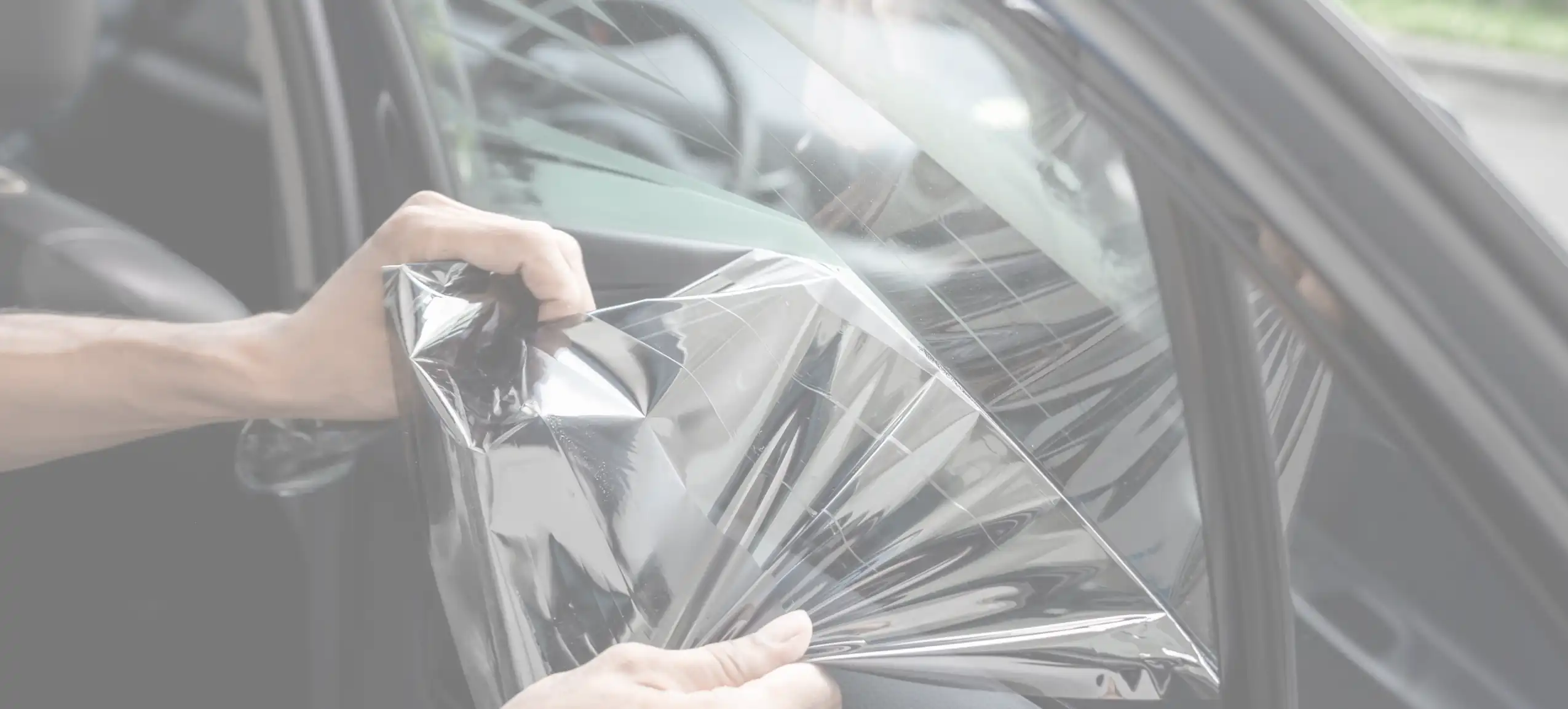
Drivers exploring Fort McDowell’s riverfront, backroads, and recreation zones rely on their vehicles more than they realize. The shift from wet environments to hot desert conditions demands protection that standard factory glass can’t provide. ClearView Glass & Tint installs high-performance films designed specifically for Arizona sunlight and temperature extremes. Our films minimize glare, reduce heat, protect gear, and help you recover from sun exposure more comfortably.
Whether you’re a local who’s on the river every weekend or a visitor looking to make the most of your outdoor trip, the right tint prepares your vehicle for the same rugged environment you love exploring.
Get Adventure-Ready with Expert Window Tinting
From water reflection to extreme desert heat, Fort McDowell creates driving conditions unlike anywhere else in Arizona. Window tint gives you a practical advantage—keeping your vehicle cooler, your gear safer, and your post-adventure drive home more enjoyable. Before your next outing at Fort McDowell Adventures or the surrounding riverfront, protect your vehicle with professional tinting from ClearView Glass & Tint. Schedule your appointment today and gear up for a cooler, clearer, and more comfortable adventure.
Frequently Asked Questions Regarding Auto Window Tint and Fort McDowell Adventures
It does. Tint can’t replace ice or a good cooler, but by lowering the overall cabin temperature and blocking direct sun, it slows down how fast ice melts and how quickly food and drinks warm up.
Yes. Electronics don’t do well in high heat or direct sunlight. Window tint reduces interior heat buildup and cuts UV exposure, helping protect battery life, screens, casings, and seals.
When your body is already worn out from paddling and sun, stepping into a superheated car can feel brutal. Tint helps keep seats, buckles, and interior air cooler, so your body can start recovering sooner instead of dealing with another wave of heat.
The best time is before your busy season starts. Getting tint installed early means every river trip, rafting tour, or outdoor outing benefits from cooler interiors, better glare control, and improved gear protection right from the first drive.
Definitely. Many groups designate one tinted vehicle as the main gear and staging car—the place where extra clothes, backup gear, snacks, and electronics are stored.
By Thomas McDonald
Latest Articles, Industry News & Expert Insights
Stay informed with updates, expert perspectives, and practical guidance on glass repair, replacement, and window tinting across automotive, residential, and commercial applications.